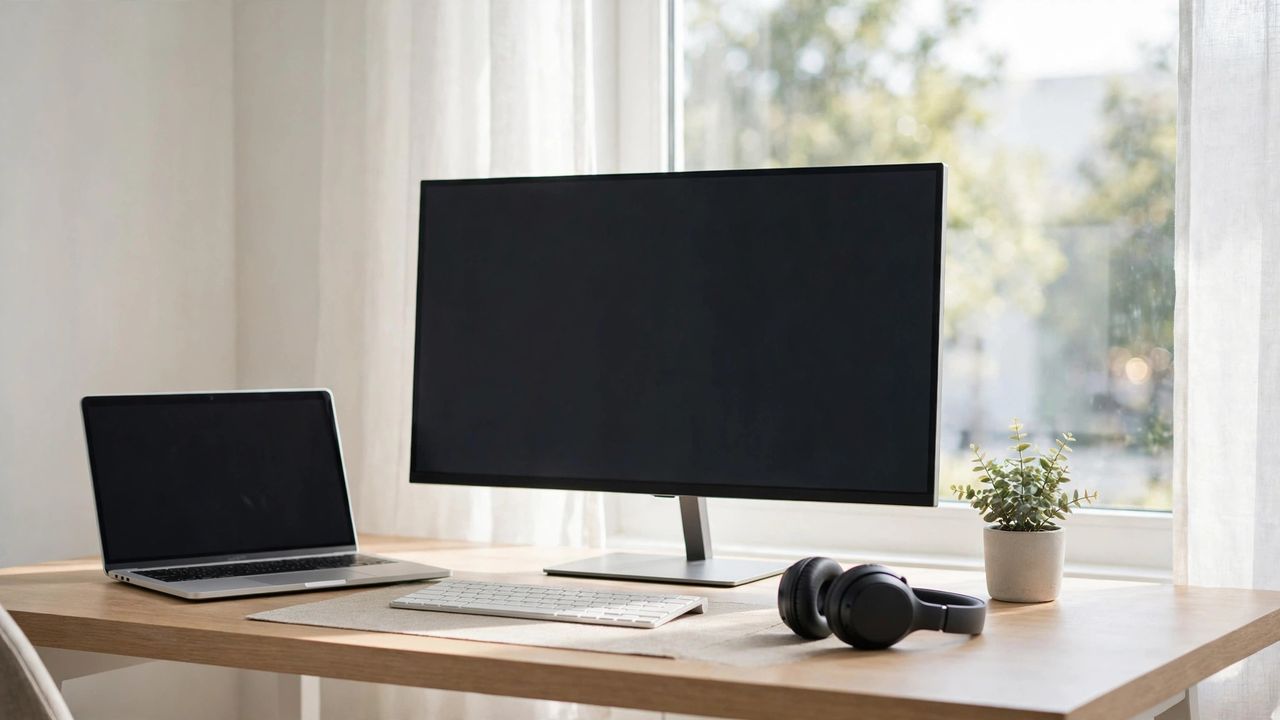
Working from home in 2026 is no longer an experiment — it is a permanent way of life for millions. But there is a huge difference between working from your couch and having a setup that actually supports focus, health, and career growth. You do not need a big budget or a spare room. What you need is the right ergonomics, the right core gear, and daily habits that protect your boundaries.
Fix your ergonomics first
Your chair and desk position matter more than any gadget. Your screen top should sit at or just below eye level, your feet flat on the floor, and your elbows at roughly 90 degrees. A laptop stand plus an external keyboard instantly fixes the hunched-laptop posture most remote workers suffer from. Raise your screen to eye level before buying anything else. This single change eliminates the neck strain that sends remote workers to physiotherapists every year.
Buy the gear that pays for itself
You only need five upgrades to reach a professional setup: a decent headset with a mic, an external monitor, a reliable webcam, good lighting, and a backup internet option like a phone hotspot. Each of these directly affects how colleagues perceive you and how smoothly your days run. A quality headset is the highest-impact purchase you can make. Clear audio makes you sound competent on every call; a blurry camera is forgiven, garbled audio never is.
Design your space for focus
Even in a small apartment, create a dedicated work zone that you only use for work. Face a wall or window rather than the TV, keep the desk clear of non-work items, and use noise-cancelling headphones as a "do not disturb" signal. Never work from bed or the sofa if you can avoid it. Your brain links places to behaviors — separating work space from rest space protects both your focus and your sleep.
Protect your work-life boundaries
The biggest risk of remote work is not laziness — it is never switching off. Set fixed start and end times, change clothes between work and evening, and take a short walk to simulate a commute. Communicate your hours clearly to your team. Shut the laptop at a fixed time every day, no exceptions. Endless availability burns you out slowly; consistent boundaries make remote work sustainable for years.
A great home setup is built in layers: ergonomics first, then gear, then space, then habits. You can improve all four this week without spending much. Remote work in 2026 rewards people who treat it as a craft — set up your environment like a professional, and your output will follow.