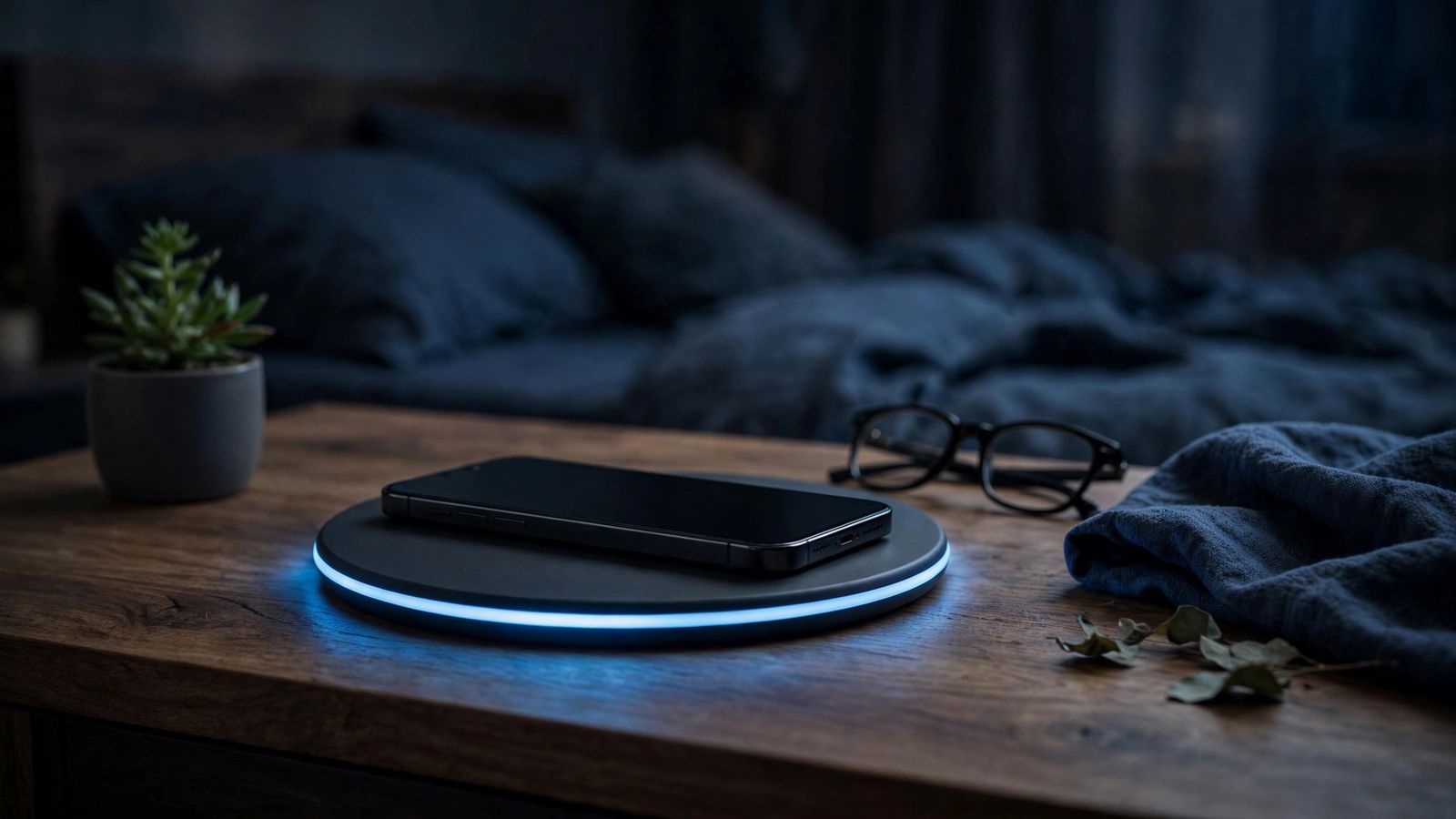
Drop your phone on a pad and walk away — no fumbling for cables in the dark. Wireless charging is undeniably convenient, but it's slower, warmer, and pricier than a good cable. Here's the honest 2026 verdict. Wireless charging is about convenience, not speed — buy it for the lifestyle, not the specs.
How Fast Is It Really?
Most phones top out at 15W wirelessly (some Android flagships reach 50W+ on brand-matched pads), while a simple cable easily delivers 25–65W. In practice, a wireless pad adds roughly 25–35% battery per hour versus 60%+ from a cable. For overnight and desk charging, that difference barely matters. On a desk or nightstand, wireless speed is plenty; for a quick top-up before leaving, use a cable.
The Heat Problem
Wireless charging generates more heat than cables, and heat is the enemy of long-term battery health. Cheap, misaligned pads run hottest — good pads with fans or metal cooling stay much cooler. Removing thick cases helps alignment and cooling. Heat, not convenience, is the real cost of wireless charging — buy a quality pad with cooling.
Stand vs. Pad: Which Shape?
Pads are compact and cheap but demand careful placement — set the phone down crooked and it charges all night at 0W. Stands prop the phone upright so alignment is automatic and you can glance at notifications while charging. Multi-device pads (phone + watch + earbuds) are great for a nightstand setup. Stands beat pads for alignment; multi-coil pads close the gap if you travel.
When to Stick With Cables
Gamers, navigation users, and anyone charging while using the phone should stay wired — you can't hold a wirelessly-charging phone. Travelers save weight with one fast cable instead of a bulky pad. And charging banks are still far more efficient over cable. Keep a fast wired charger for trips and emergencies; let wireless handle the desk and the nightstand.