A snoring partner, traffic, thin walls, a barking dog — it's rarely silence that wakes you, it's sudden changes in sound. White noise works by creating a consistent sound blanket that masks those jolts, so your brain stops startling awake. Studies show it helps people fall asleep faster and wake less often. Here's how to use it right, starting tonight.
How White Noise Actually Works
Your brain is wired to notice changes in your environment — a door slamming in silence is alarming; the same door in a noisy café barely registers. White noise raises the background sound floor evenly, so sudden noises blend in instead of jolting you awake.
White vs. Pink vs. Brown Noise
They're all "noise colors" with different sound profiles. White noise is bright and hissy (like TV static) — the strongest masker, but some find it harsh. Pink noise is softer and deeper (like steady rain) — research links it to better deep sleep and memory consolidation. Brown noise is even deeper (like a low rumble or waterfall) — many people find it the most soothing. Try each for a few nights; the "best" one is simply the one you find pleasant.
The Best Way to Play It All Night
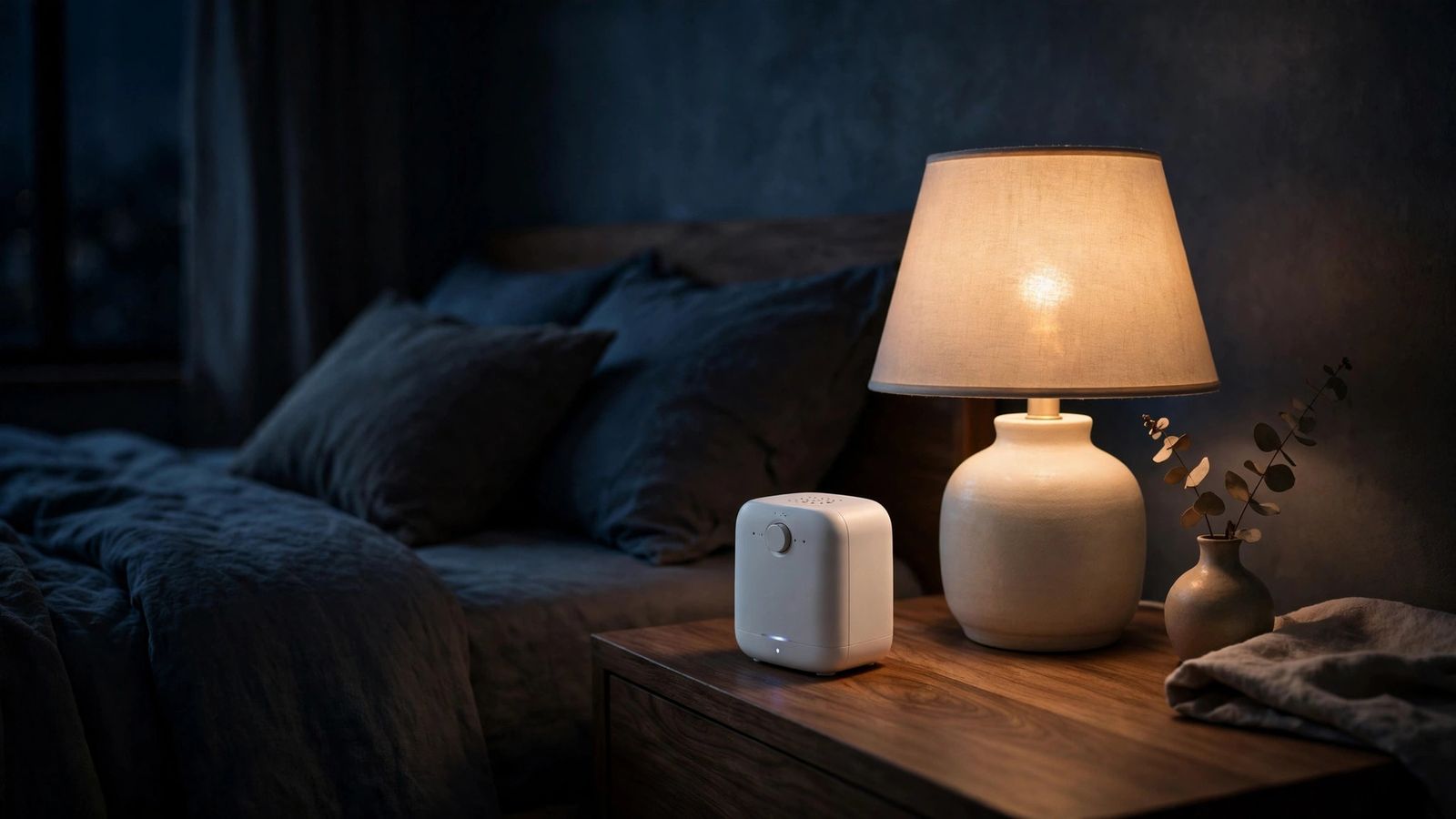
A dedicated white noise machine beats a phone: no notifications, no screen glow, and better speakers designed for continuous play. Place it across the room for more even sound. Set the volume to about a quiet shower's level (under 50 decibels): loud enough to mask, quiet enough to talk over comfortably. Let it run all night rather than on a timer, so a sudden silence at 3 a.m. doesn't wake you.
Safety Tips and Sleep Hygiene Still Matter
Keep volume moderate — consistently loud noise near babies' cribs can exceed safe levels, so use the lowest effective setting for nurseries. It's a tool, not a cure: it won't fix late caffeine or doomscrolling in bed. Pair it with the basics — dark room, cool temperature, consistent bedtime.
Pick your noise color, set up a machine or app tonight, and give it three nights. Most people wonder how they ever slept without it.