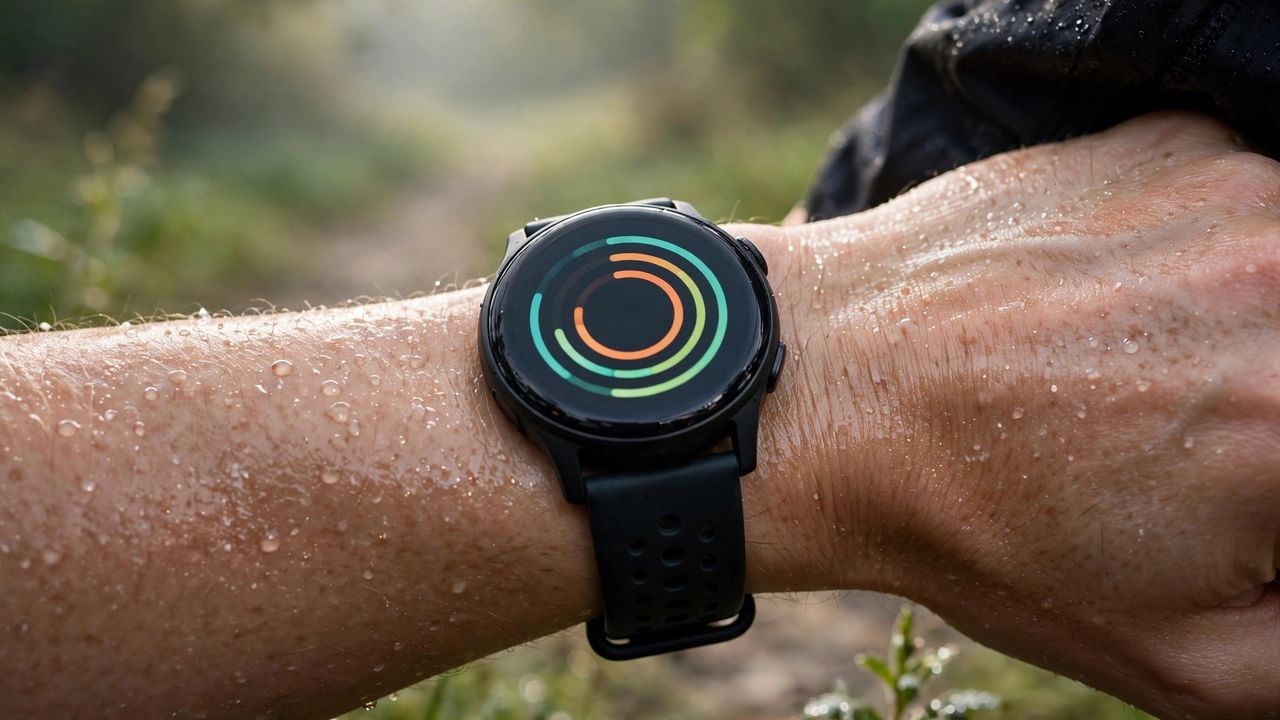
Your body is constantly broadcasting signals about your health, and wearable trackers finally listen around the clock. Modern smart bands and rings monitor heart rate, sleep stages, blood oxygen, and activity levels, turning vague feelings into concrete data. But with dozens of devices on the market, choosing the right one depends on what you actually want to learn about yourself.
Smart Bands: The Everyday All-Rounder
Smart bands remain the most popular wearables because they do everything reasonably well at reasonable prices. They track steps, workouts, heart rate, and sleep, with battery life measured in days or weeks rather than hours. For most people, a comfortable mid-range smart band worn consistently beats an expensive device worn occasionally, because health insights come from trends over weeks, not single readings.
Smart Rings: Health Tracking Without the Screen
Smart rings pack impressive sensors into a tiny form factor for people who want tracking without a glowing screen on their wrist. Smart rings are ideal for sleep-focused tracking if you dislike wearing anything on your wrist at night, but check the subscription situation, because some rings charge monthly fees to unlock your own data. Factor that ongoing cost into your decision.
What the Data Actually Tells You
The most useful metrics are resting heart rate trends, sleep consistency, and recovery indicators, not any single flashy number. Look for gradual improvements over weeks: a dropping resting heart rate and more consistent sleep are signs your habits are working. Trends over weeks matter; single-day numbers do not, so give any wearable at least a month before judging whether your lifestyle changes are working.
Accuracy Limits to Know
Consumer wearables are excellent for tracking trends but are not medical devices. Heart rate readings during intense exercise can be off, and sleep stage detection is an educated estimate rather than a lab measurement. Use wearables as a compass for your habits, not as a medical diagnosis, and talk to a real doctor about any health concern the data raises.
Pick the form factor you will actually wear every day, watch the long-term trends, and let the data gently guide healthier habits one small change at a time.