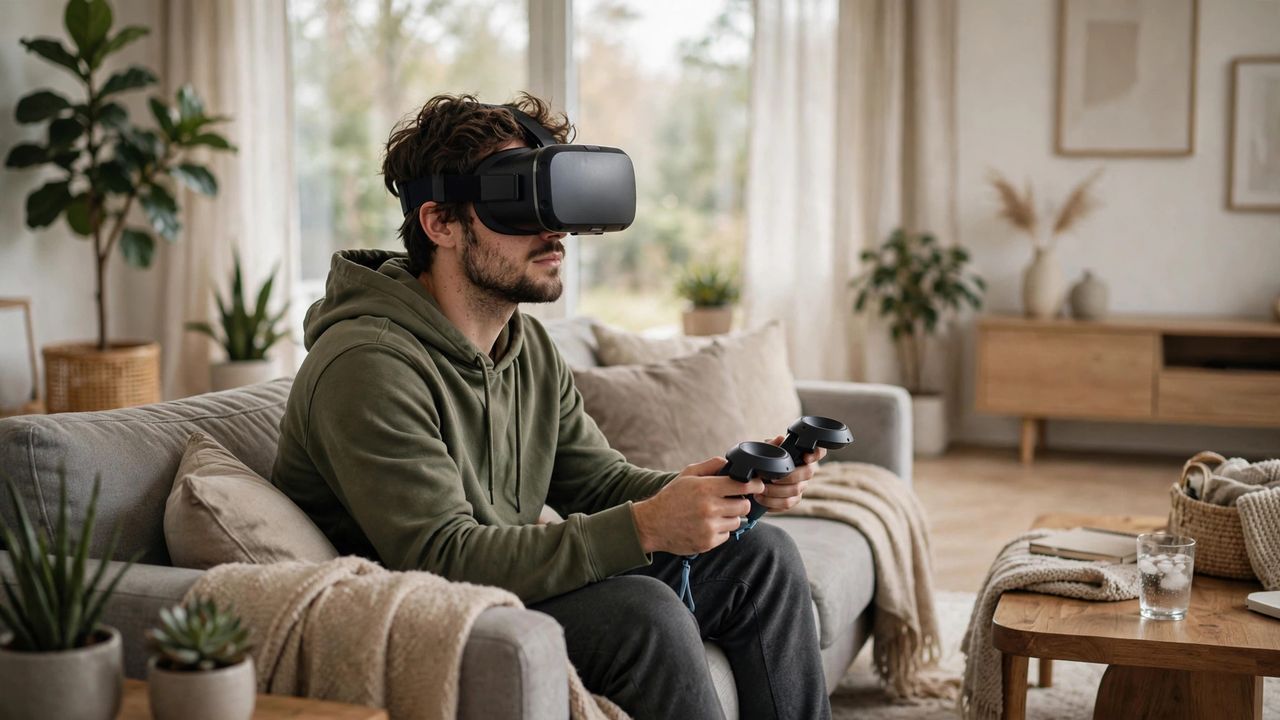
Virtual reality in 2026 is no longer a tech demo — headsets are lighter, sharper, and genuinely useful for gaming, workouts, and even remote work. But standalone headsets, PC-powered headsets, and budget models all promise the same dream, so picking the right one matters. This guide compares the main categories and the specs that actually affect your experience, so you spend your money once and spend it well.
Standalone vs PC-powered headsets
Standalone headsets need no computer — everything runs on the device, which makes them simple and portable. PC-powered headsets deliver much better graphics but require a gaming PC and usually a cable or wireless link. If you already own a strong gaming PC, a PC headset unlocks the best visuals; otherwise, standalone is the smarter buy. No gaming PC means no PC headset — buy standalone and save yourself the frustration.
Comfort matters more than specs
A headset with incredible resolution is worthless if it hurts after 30 minutes. Look for adjustable straps, a balanced weight distribution, and a wide field of view. Try one on in a store if possible, and read reviews about glasses compatibility if you wear them. Comfort determines whether your headset gets used daily or collects dust in a drawer.
Resolution, refresh rate, and tracking
Higher resolution means less of the "screen door" pixel effect, and a 90 Hz or higher refresh rate keeps motion smooth and reduces nausea. Modern headsets use inside-out tracking, so you no longer need external sensors — just make sure the play area in your room is clear. At minimum, look for sharp lenses, 90 Hz refresh, and controller-free hand tracking support.
Best use cases: pick your purpose
Gamers should prioritize a big game library and strong controllers. Fitness users want sweat-resistant designs and workout apps. Remote workers benefit from virtual monitors and meeting apps. Think about which single use will get 80 percent of your headset time. Buy for your main use case first — versatility is a bonus, not the deciding factor.
VR in 2026 is worth it if you buy for a real use case and a headset you can wear comfortably. Start mid-range, give yourself a week to adjust to virtual motion, and you will wonder how you waited this long.