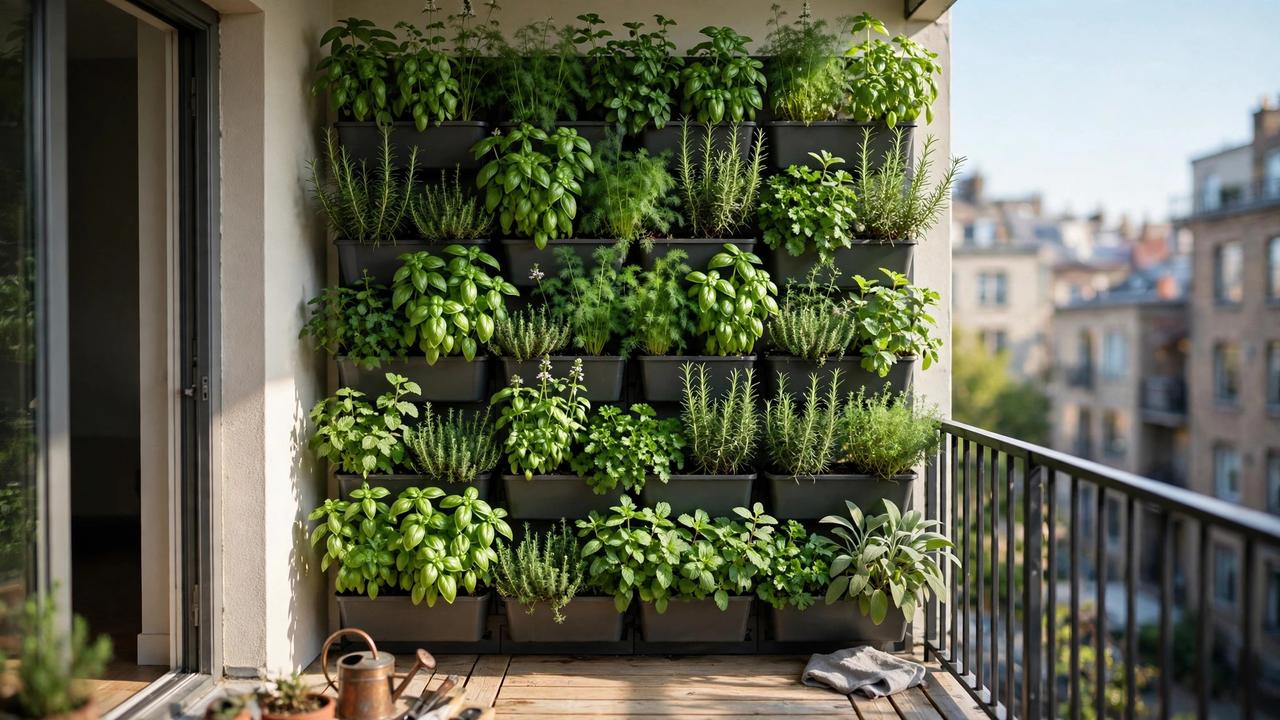
You do not need a backyard to grow your own food. Vertical gardening turns walls, balconies, and sunny windows into productive growing space — stacking plants upward instead of spreading them outward. It is perfect for apartments, small patios, and anyone who wants fresh herbs within arm's reach of the kitchen.
Picking Your Structure
Start simple: wall-mounted pocket planters and hanging planters are cheap, renter-friendly, and install in an afternoon. Freestanding tiered shelves and tower planters hold more plants and move with the sun. A simple trellis against a sunny wall is ideal for climbing plants like peas, beans, and cucumbers. Whatever you choose, make sure it can handle the weight of wet soil — saturated planters are far heavier than they look.
Best Plants for Beginners
Herbs are the perfect starter crop: basil, mint, parsley, chives, and cilantro grow fast, tolerate small containers, and get used daily. Lettuce, spinach, and radishes thrive in shallow pockets. Strawberries do beautifully in vertical planters. Save deep-rooted vegetables like tomatoes and peppers for larger containers until you have a season of experience.
Watering: The Make-or-Break Skill
Vertical planters dry out faster than ground beds because of greater air exposure. Check soil moisture daily in warm weather — the top inch should feel slightly damp. A simple drip irrigation kit on a timer is the single best upgrade for vertical gardens, delivering water evenly to every level. Mulch the soil surface to slow evaporation, and make sure every planter has drainage holes.
Light and Feeding
Most edibles need at least six hours of direct sun. Watch how light moves across your wall for a few days before planting. Because containers leach nutrients with every watering, feed plants with diluted liquid fertilizer every two weeks. Start with five or six plants, learn their rhythms, and expand next season — a small thriving garden beats an ambitious struggling one.