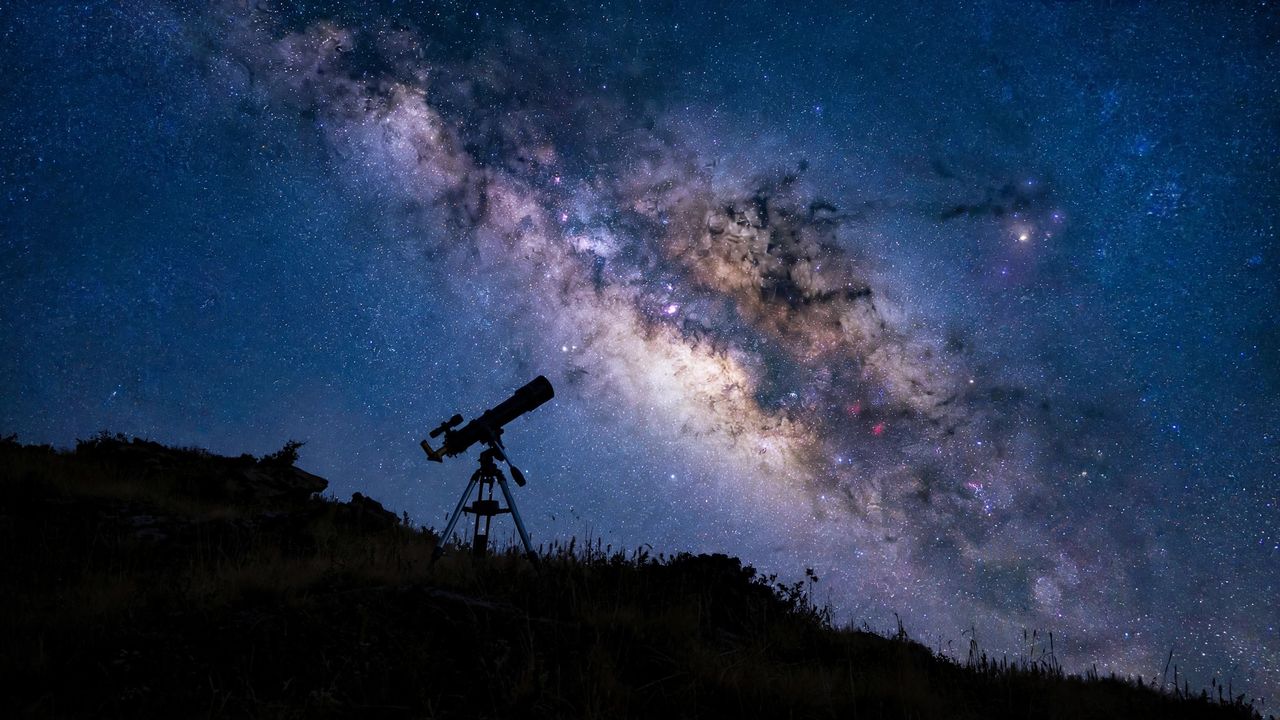
You don't need a telescope to fall in love with the night sky — your naked eyes can see thousands of stars, five planets, and the Milky Way on a dark night. Stargazing is free, calming, and endlessly fascinating. Here's how to start seeing more than "pretty dots."
Find Dark Skies (This Matters Most)
Light pollution is the #1 enemy. Drive 20–30 minutes out of the city and the sky transforms. Check a free light-pollution map to find dark spots near you. Go on moonless nights (check the moon phase — new moon is best) and give your eyes 20–30 minutes to fully adapt. Avoid white flashlights; use a red-light mode.
Get a Free Sky App
Install Stellarium or Sky Guide — point your phone at the sky and it labels everything live. These apps show tonight's planets, the International Space Station flyovers, and meteor showers. They're the fastest way to learn, and they work offline once downloaded.
Learn 5 Easy Landmarks First
Start with the unmissable: the Big Dipper, Orion (winter), Cassiopeia's "W," the North Star, and the Moon's craters through cheap binoculars. These anchor points help you navigate everything else. Planets don't twinkle — that's the quickest way to tell Jupiter or Venus from a star.
Upgrade Only When Hooked
Before buying a telescope, get 7x50 or 10x50 binoculars — they reveal the Moon's craters, Jupiter's moons, and star clusters for under $100. When you do buy a telescope, a simple Dobsonian gives the most aperture per dollar. Join a local astronomy club's star party first — you'll look through big telescopes for free and get honest buying advice.
The night sky is the oldest show on Earth, and it plays every clear night. Step outside tonight, look up, and start your tour.