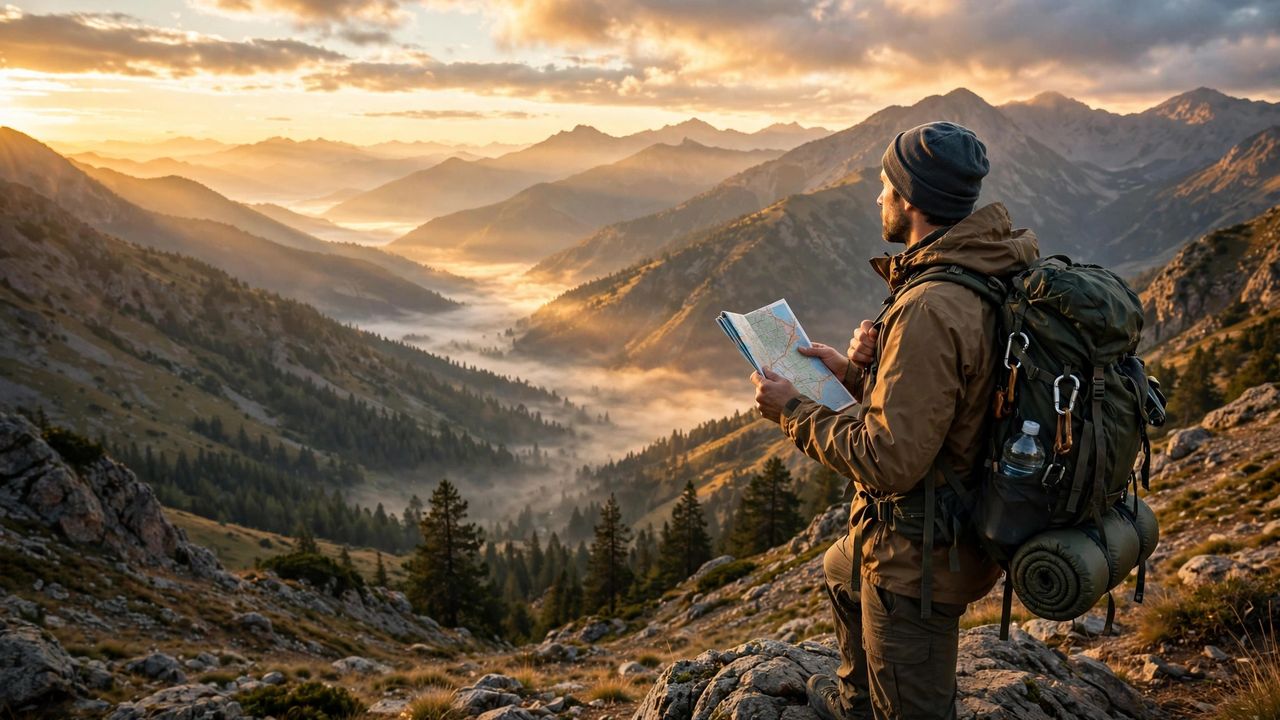
Solo travel is one of life's great adventures — total freedom, total growth. It also means you're your own safety net. Most solo-travel risk isn't danger; it's poor preparation. Get the planning right and the trip takes care of itself. Millions of people travel solo safely every year — caution, not fear, is the right mindset.
Research Before You Book
Read recent traveler reviews, check your government's travel advisories, and learn which neighborhoods are safe after dark. Join a destination forum or expat group for ground truth. Ten minutes of research beats ten hours of fixing a bad choice.
Share Your Itinerary With Someone
Leave your flight numbers, hotel addresses, and rough daily plans with a trusted person at home. Set a daily check-in time — a quick message is enough. Someone should always know roughly where you are, without you thinking about it.
Choose Lodging Like It Matters — Because It Does
Pick well-reviewed places in central, well-lit areas. Read the safety comments, not just the star ratings. On arrival, check locks, locate the fire exit, and learn the front desk's number. Saving $20 a night is never worth an unsafe street at midnight.
Protect Your Documents and Money
Keep your passport locked up and carry a copy; split cash and cards between your wallet, a money belt, and the hotel safe. If one pocket gets picked, you should still be able to eat and get home. Photograph every document and store the photos in the cloud.
Stay Connected and Trust Your Instincts
Get a local SIM or eSIM on day one, keep your phone charged, and download offline maps. And the oldest rule still works: if a situation feels wrong, leave. Your instincts are a safety tool — polite hesitation has never saved anyone. Consider a portable door lock or doorstop alarm for extra peace of mind in budget lodging.