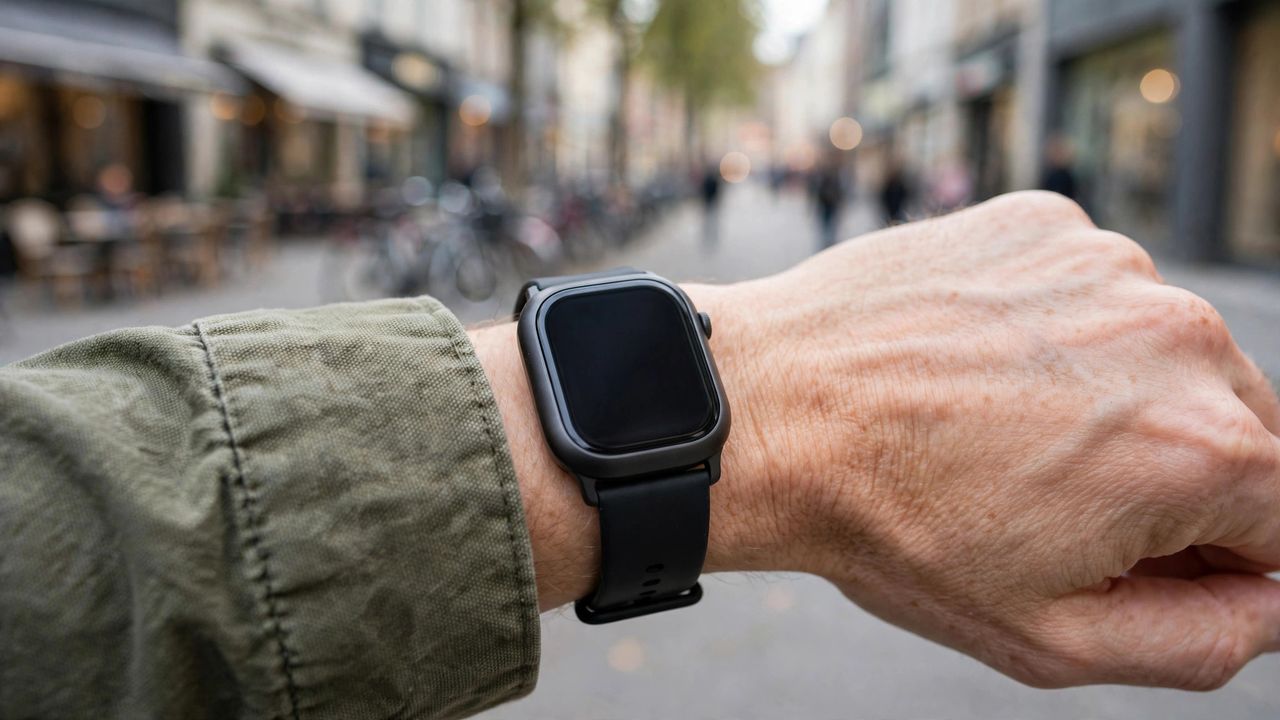
Smartwatch marketing screams specs, but the best smartwatch is simply the one you keep wearing. In 2026 the market splits cleanly: powerful companions for phone users, and long-battery specialists for athletes. Here is how to cut through the noise and pick the one you will not abandon in a drawer by March.
Start with Your Phone — It Decides for You
Compatibility is the first filter and it is non-negotiable. iPhone owners get full features only from an Apple Watch; Samsung and Pixel watches pair best with Android phones. Buying a watch that fights your phone means missing calls, broken notifications, and features that quietly never work. Cross-platform brands like Garmin and Fitbit work with both — with fewer smart features in exchange.
Decide What You Actually Need
Be honest about your use case. If you want reply-to-texts and turn-by-turn directions on your wrist, you need a full smartwatch. If you mainly want sleep tracking, workouts, and step counts, a fitness-focused watch does it for half the price and ten times the battery. Most people overbuy: a $400 watch used only for step counting is just an expensive pedometer.
Battery vs. Features: The Big Trade-Off
Flagship smartwatches last one to two days; sport and hybrid watches last one to three weeks. Ask yourself which annoyance you can live with: charging every night, or fewer apps and no LTE calls. If you want sleep tracking, multi-day battery is almost mandatory — nobody tracks sleep with a watch dying on the charger. Fast charging helps, but weekly charging changes the habit entirely.
Health Sensors That Actually Matter
Heart-rate monitoring, sleep tracking, and blood-oxygen sensing are standard and genuinely useful now. ECG and skin-temperature trends matter for specific health situations — consult a doctor, not a watch review, before treating them as medical tools. Ignore marketing around stress scores and recovery readiness unless you are a serious athlete training by data; for everyone else, consistent sleep and step trends tell the real story.
Avoid These Buying Mistakes
Never buy a watch from a brand with no history of software updates — an abandoned watch becomes e-waste in eighteen months. Check band comfort and case size on your wrist if you can; specs lie about wearability. And wait for sales: smartwatches discount 20–30% during major shopping events, sometimes months after launch. Buy the watch for the wrist you have, not the marathon you might run someday.