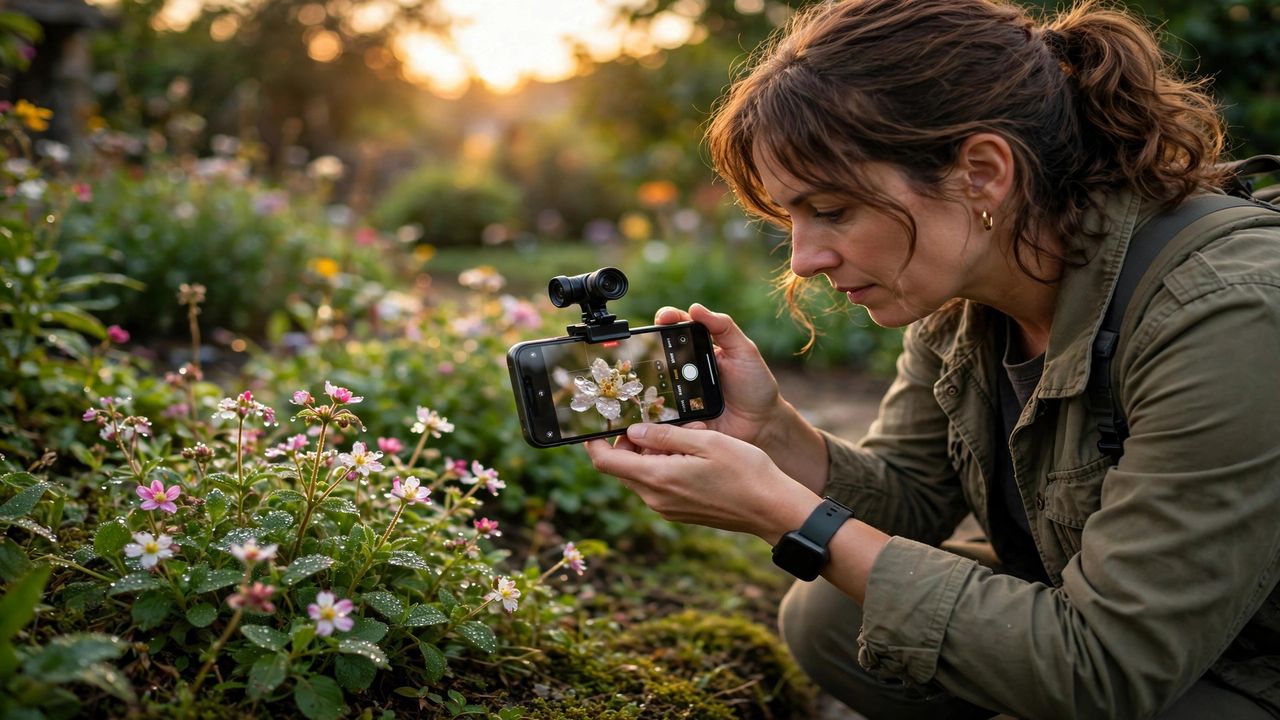
What separates a stunning phone photo from a forgettable snapshot is rarely the phone — it is composition. Professional photographers see leading lines, framing, and balance instinctively, and those skills work exactly the same on a smartphone. In 2026, your phone's camera hardware is phenomenal; learning to compose is what unlocks it. These are the composition techniques that make the biggest difference.
Master the rule of thirds
Turn on your grid lines and place key elements along the grid lines or at their intersections instead of dead center. A horizon on the lower third line with dramatic sky above, or a subject on a vertical third with space to look into, instantly looks more intentional. Place your subject off-center along a grid line for instant improvement. This one habit elevates nearly every landscape, street, and portrait photo you will ever take.
Use leading lines and framing
Roads, fences, rivers, and shadows create lines that pull the viewer's eye toward your subject. Similarly, doorways, windows, and tree branches can frame your subject with a natural border that adds depth. Look for these elements before you shoot, not after. Move your feet to find lines and frames before pressing the shutter. Great composition is found by repositioning yourself — the best photo angle is rarely the first place you stood.
Conquer night and low-light shots
Night mode on 2026 phones is remarkably good, but it needs stillness: brace your phone against a wall or railing, hold your breath during the exposure, and tap to focus on your subject. City lights, neon signs, and wet streets reflecting light are perfect night subjects. Keep the phone perfectly still during night mode — even tiny movement blurs the shot. A stable two-second exposure beats a shaky handheld attempt every single time.
Develop your editing eye
Composition continues in editing: crop to remove distractions at the edges, straighten tilted horizons, and adjust exposure so the subject pops. Study photos you admire and ask what makes the composition work — then imitate it deliberately. Crop ruthlessly; if an element does not strengthen the photo, cut it out. Beginners include too much; professionals subtract until only the essential story remains in the frame.
Smartphone photography in 2026 rewards the photographer, not the hardware. Learn the rule of thirds, hunt for lines and frames, stabilize your night shots, and edit with a ruthless eye. Practice these composition skills for a month and your photos will look like they came from a different camera entirely — they came from a different photographer.