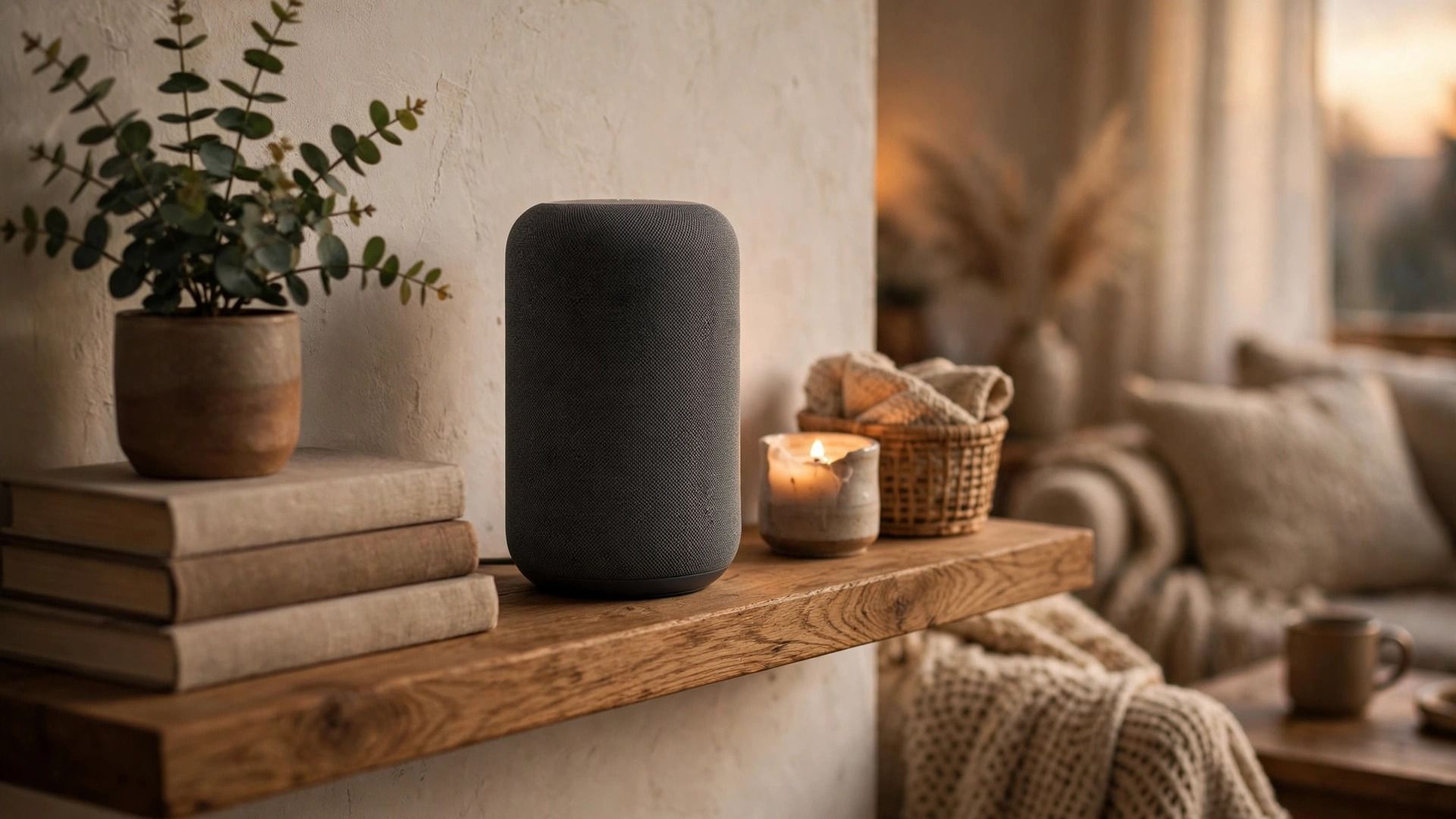
The smart speaker war has settled into a clear choice: Amazon's Alexa and Google's Assistant, each with real strengths. In 2026, both play music, answer questions, and run your smart home — but they differ in ways that matter daily. Here is the honest comparison.
Alexa vs Google: The Real Difference
Alexa wins on smart-home compatibility and routines: it supports more devices and its routine builder is more flexible — "good morning" can trigger lights, news, and coffee in one command. Google wins on answering questions: its search-powered brain handles follow-ups and complex queries far better. Choose Alexa if your home is full of gadgets; choose Google if you mostly ask things and want the smartest answers.
Sound Quality Tiers
Budget speakers ($30–$60) are fine for kitchens and bedrooms — clear voice, thin music. Mid-range ($80–$150) is where music gets genuinely enjoyable, with real bass and room-filling sound. Premium ($200+) rivals dedicated Bluetooth speakers and suits a living room. Do not buy the cheapest speaker and judge the whole category by it; the mid-range is where smart speakers shine.
Smart Home Control
Your speaker is only as smart as the devices it talks to. Before buying, check that your lights, thermostat, and locks work with your chosen assistant — most do with both now, thanks to the Matter standard. Set up rooms in the app ("living room lamp") so commands feel natural, and create two or three routines on day one; routines are the feature that turns a novelty into a daily habit.
Privacy Settings to Change Today
Both assistants store voice recordings by default. Open the privacy settings and: turn on auto-delete for recordings (3 or 18 months), review and delete old recordings once, and mute the microphone when you want guaranteed silence — the physical mute button truly disconnects the mic. These two minutes of setup buy real peace of mind.
Pick your assistant first, your price tier second, and place the speaker where you will actually talk to it. The best smart speaker is the one that quietly handles a dozen small tasks a day — until you cannot imagine the kitchen without it.