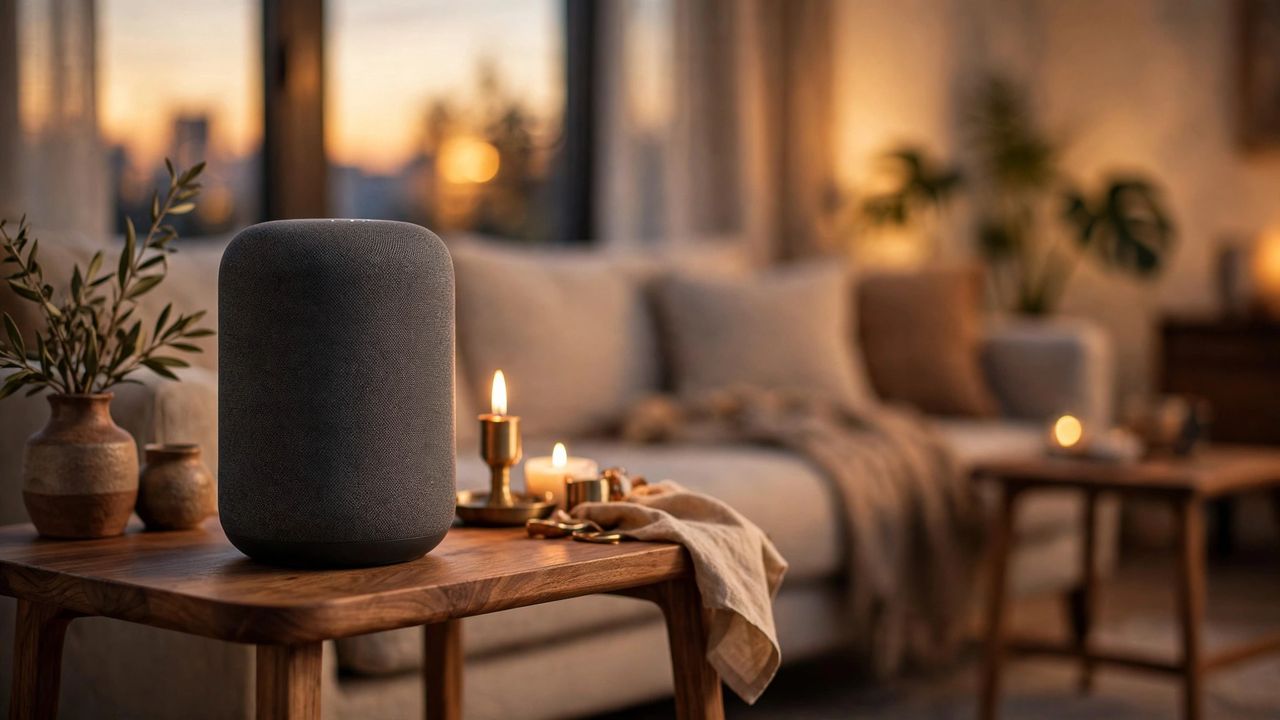
A smart speaker is the most-used gadget in many homes — and the most regretted when you pick wrong. Alexa, Google Assistant, and Siri each have real strengths and real blind spots in 2026. The right choice depends on your phone, your smart home, and how much you care about sound versus smarts.
Match the assistant to your ecosystem
iPhone household with HomeKit devices? A Siri speaker integrates seamlessly. Android and Google services everywhere? Google's assistant answers best. Deep in Amazon's world with Ring and Fire TV? Alexa ties it together. Buy the assistant that matches the phone in your pocket — ecosystem friction ruins smart speakers faster than bad sound. Mixed households should pick the platform with the most shared devices.
Sound quality vs. smart features
Small speakers are for kitchens and questions; larger ones are for actual music. In 2026 the gap is clear: some brands lead on audio, others on assistant brains. Decide your primary job first — if it is music eighty percent of the time, buy for sound and accept a dumber assistant. A speaker you do not enjoy listening to becomes a very expensive timer.
Privacy settings you should actually use
Smart speakers listen for wake words locally, but review your voice history settings and mute the mic when it matters. Spend five minutes in the privacy settings on day one — delete old recordings and limit ad personalization before you forget the menu exists. A physical mute button you trust beats any software promise.
Start with one, expand deliberately
Buy one speaker for your most-used room and live with it for a month. Learn its routines, connect your music service, and set up morning briefings. One well-configured speaker beats three half-set-up ones — master the first room before you wire the house. Stereo pairs and multi-room audio are great upgrades once the basics click.
The best smart speaker is not the smartest or the loudest — it is the one that fits your home's ecosystem and your ears. Match those two, and you will use it every day.