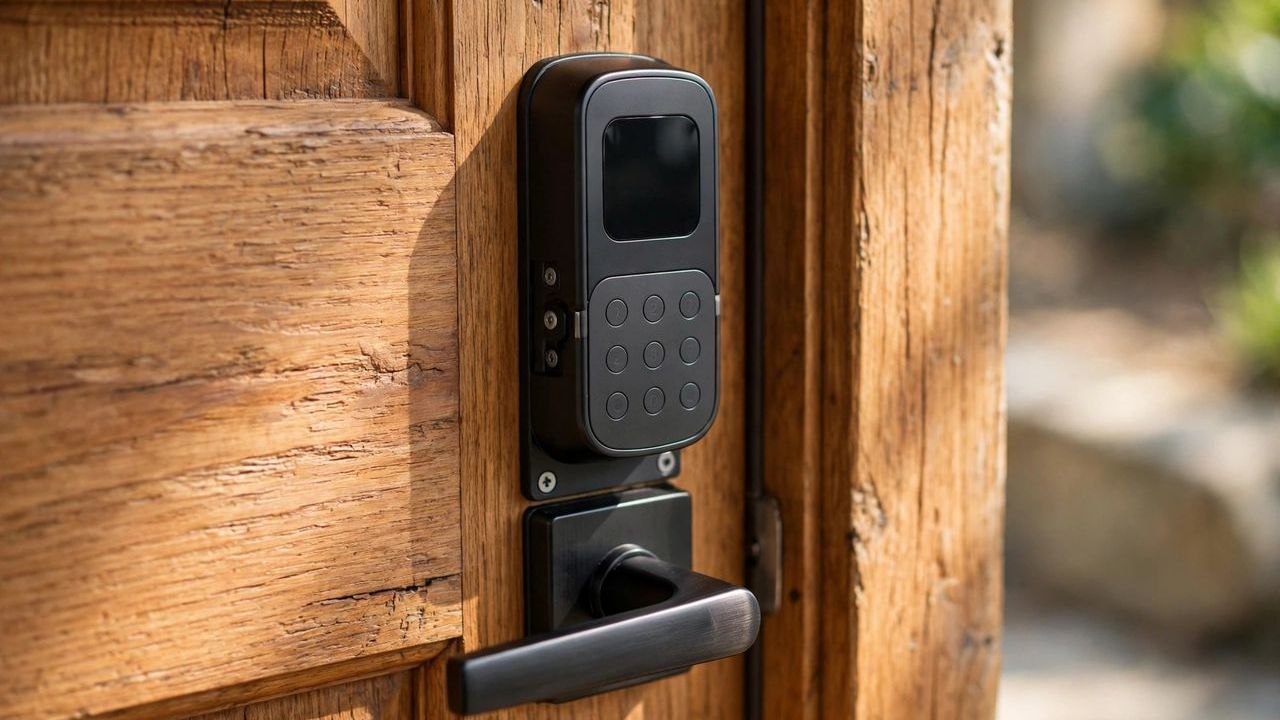
Losing your keys, hiding a spare under the mat, rushing home for the delivery driver — smart locks solve the daily annoyances of traditional locks while adding serious security. In 2026 the technology is mature, battery life is excellent, and prices have settled into every budget. Here is everything you need to know before going keyless.
Keypad, Fingerprint or App: Pick Your Entry Style
Keypads are the most reliable — no phone needed, easy codes for guests and cleaners. Fingerprint readers are the fastest for daily use, unlocking in about a second. Choose a lock with at least two entry methods, so a dead phone or forgotten code never locks you out. App-based unlocking is a great backup, but it should never be your only way in.
Security Features That Actually Matter
Look for ANSI or BHMA Grade 1 or 2 certification, which tests real physical attack resistance. Encrypted communication and two-factor authentication for the companion app protect the digital side. A built-in alarm that triggers on forced entry deters more burglars than any specification sheet ever will. Avoid locks that transmit codes over unencrypted channels, and change default admin codes on day one.
Installation: Easier Than You Think
Most smart locks install in fifteen to thirty minutes with just a screwdriver, fitting standard door preparations. Measure your door thickness and backset before buying — the two sizes that cause most returns. Keep one physical backup key stored outside the house, because electronics and batteries can fail. Test the lock thoroughly for a week before removing the old deadbolt entirely.
Battery Life and Smart Home Integration
Expect six to twelve months from a set of batteries depending on usage, and every good lock warns you weeks before dying. Wi-Fi built directly into the lock drains batteries fastest; a separate hub is often the better tradeoff. Auto-lock after thirty seconds is the feature owners say they would never give up. Check compatibility with your voice assistant or smart home platform before buying, because ecosystems still do not all play nicely together.
A smart lock pays for itself in convenience the first time you let in a guest from the office. Choose certified hardware, keep a backup key, and enjoy never fumbling for keys again.