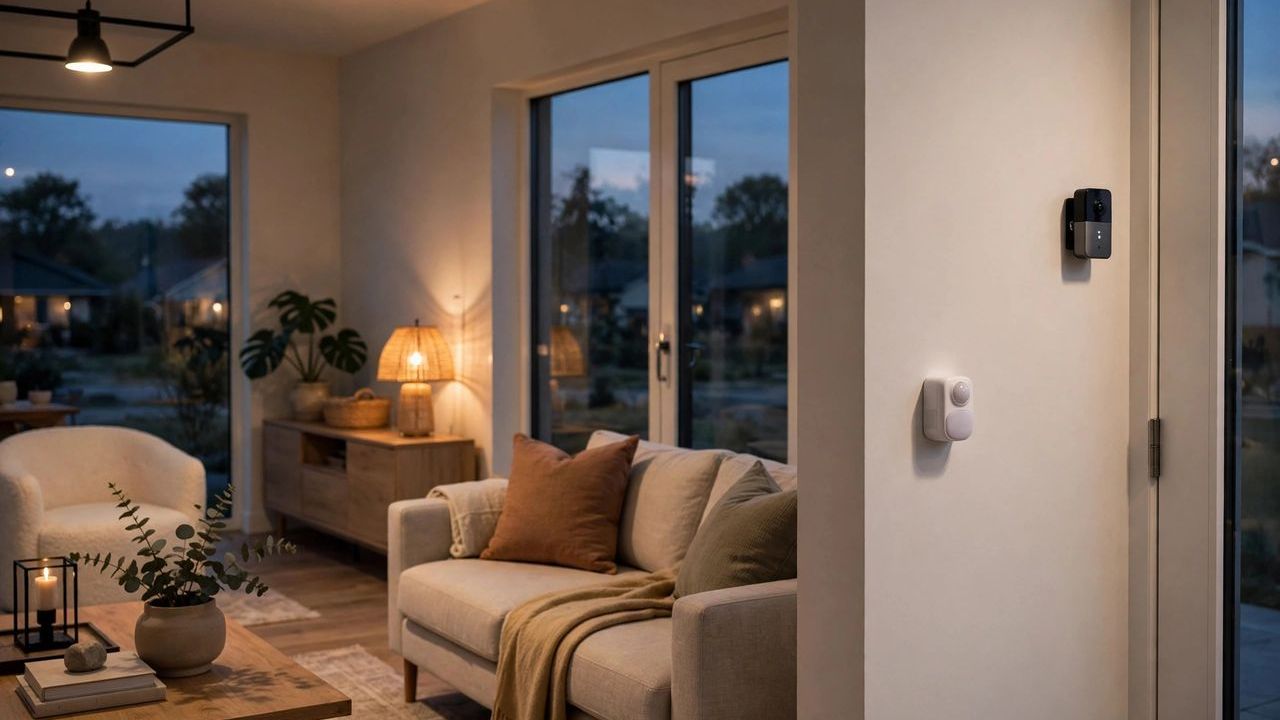
Smart homes are getting smarter every year, but every connected camera, lock, and speaker is also a potential doorway for hackers. The good news is that a truly secure smart home in 2026 costs less than you think. The foundation of smart home security is not more gadgets — it is a locked-down Wi-Fi network and strong, unique passwords on every device.
1. Start with Smart Door Locks
A smart lock lets you ditch spare keys under the mat and give temporary codes to guests, cleaners, or dog walkers. Look for models with fingerprint or PIN access and an auto-lock timer. Choose a lock with a physical key backup, so you are never locked out during a battery or Wi-Fi failure.
2. Place Security Cameras Strategically
One well-placed camera beats three poorly placed ones. Cover the front door, back entrance, and garage — the entry points burglars actually use. Local storage cameras keep your footage in your home instead of the cloud. Point cameras at entry points, not at your neighbors' windows — and check local privacy laws first.
3. Add Sensors Where Cameras Can't See
Door and window sensors, motion detectors, and water-leak sensors are cheap and catch what cameras miss. A leak sensor under the washing machine can save you thousands in water damage. Sensors are the unsung heroes of a smart home — small, cheap, and they never sleep.
4. Lock Down Your Wi-Fi Network
Every smart device sits on your Wi-Fi, so your router is the front door of your smart home. Use WPA3 encryption, a strong unique password, and a separate guest network for smart gadgets. A separate IoT network means one hacked lightbulb can't reach your laptop or phone.
5. Update Firmware and Change Defaults
Most hacks exploit old firmware or factory-default passwords like "admin123." Turn on automatic updates for every device and change every default password the day you install it. Five minutes of setup per device prevents 90% of common smart-home attacks.
6. Review Privacy Settings
Cameras and voice assistants collect audio and video by default. Turn off cloud recording where possible, disable ad-tracking permissions, and delete voice history regularly. Your smart home should watch for intruders — not collect data on you.