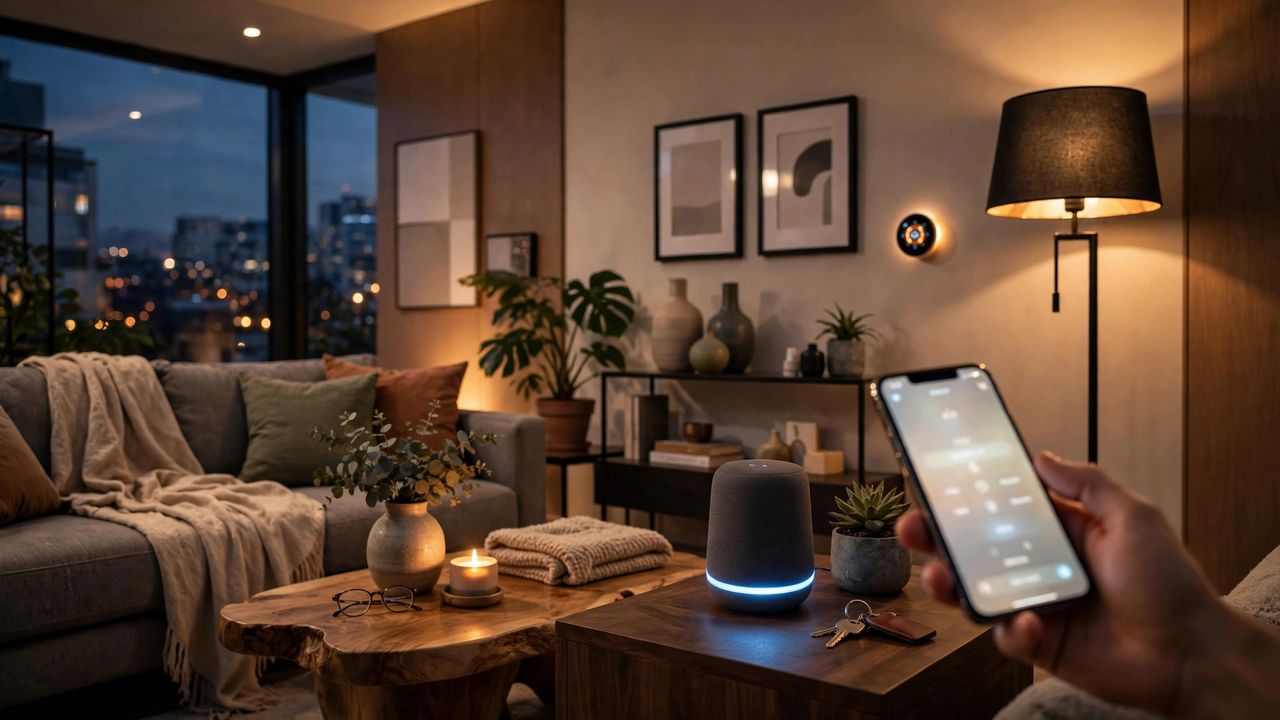
Thinking about a smart home but don't know where to start? The good news: you don't need a fortune or an engineering degree. In 2026, a genuinely useful smart home can start with three cheap devices and grow room by room. Here's the beginner-friendly path that actually works.
Start With These 3 Devices
Don't buy everything at once. Start with the trio that delivers the biggest daily payoff: a smart speaker (your voice remote), a smart plug (makes any lamp or fan "smart" for the price of a pizza), and a smart bulb (dimming and schedules change your evenings). This starter kit typically costs under $80 and teaches you everything you need to know.
Do You Need a Hub?
In 2026, the Matter standard means most new devices talk to each other directly, so hubs matter less than before. If you only have a few Wi-Fi devices, skip the hub. Buy one only if you're adding door locks, sensors, or dozens of devices — then a Thread border router built into a smart speaker keeps everything fast and local.
Routines That Actually Help
Devices are toys; routines are the magic. Set a "Good night" routine that turns off all lights and locks the door with one command. Schedule porch lights at sunset. Make the coffee-side lamp brighten gently at wake-up time. Start with two or three routines — too many becomes confusing, but a few good ones will make you feel like you live in the future.
Budget and Privacy Rules
Stick to a $150 starter budget and expand only when a routine earns its place. For privacy: change default passwords, enable two-factor authentication on your smart-home app, keep cameras off your private spaces, and update device firmware regularly. A smart home should make life easier — never feel like it's watching you.
Your first smart home doesn't have to be perfect. Pick one room, add three devices, and live with them for a month. Once the convenience clicks, expanding becomes obvious. Start small, automate smart, and enjoy it.