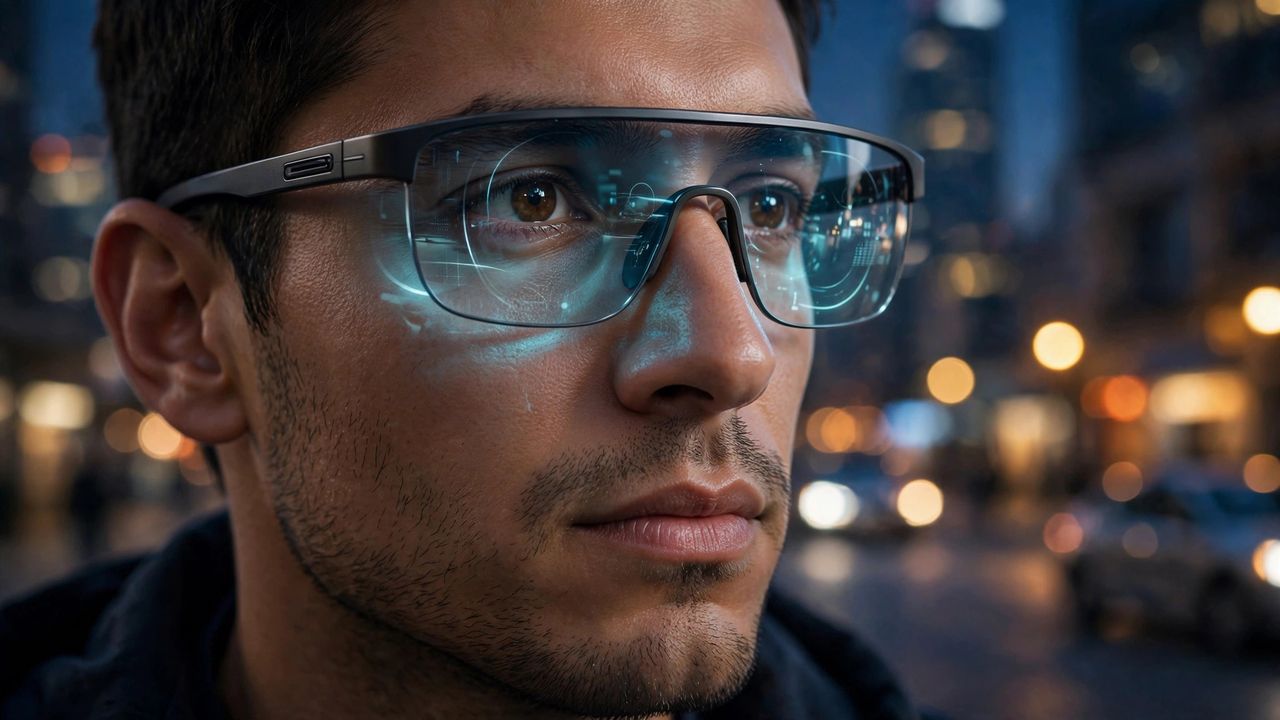
Smart glasses have finally grown up. In 2026 you can choose between simple audio glasses that play music and take calls, and full AR glasses that overlay navigation, captions, and notifications in your field of view. Prices range from under $200 to well over $1,000. Before you buy, it helps to know what these glasses actually do well — and where they still fall short.
Display vs. Audio-Only Glasses
Audio-only glasses look like normal sunglasses and simply add speakers and a microphone — great for calls and music while cycling or commuting. Display glasses project information onto the lens, which is genuinely useful for navigation and live captions but adds weight, cost, and battery drain. If this is your first pair, audio-only models are the safer, cheaper introduction.
Real Use Cases
The strongest use cases today: hands-free calls and music while moving, turn-by-turn navigation while walking, live translation of conversations, and photo or video capture without holding a phone. AR displays add reading notifications and captions. Buy for a use case you already have, not for a futuristic lifestyle you might develop.
Battery, Comfort, and Privacy
Most display glasses last only a few hours of active AR use, so check battery specs carefully. Comfort matters more than features — glasses that press on your nose will sit in a drawer. Privacy is the real trade-off: glasses with cameras can record people discreetly, and some venues and workplaces ban them outright, so check local rules before wearing them everywhere.
Checklist Before Buying
Run through this: Does it fit your prescription needs? How long does the battery last with the display on? Is the companion app well reviewed? Can you return it within 30 days? And does the price reflect a feature you will use daily? Skip the launch hype and read three-month owner reviews — early reviews rarely mention the annoyances that show up later.
The takeaway: smart glasses are genuinely useful in 2026, but only for specific jobs. Define your use case, prioritize comfort, and buy the simplest model that covers it.