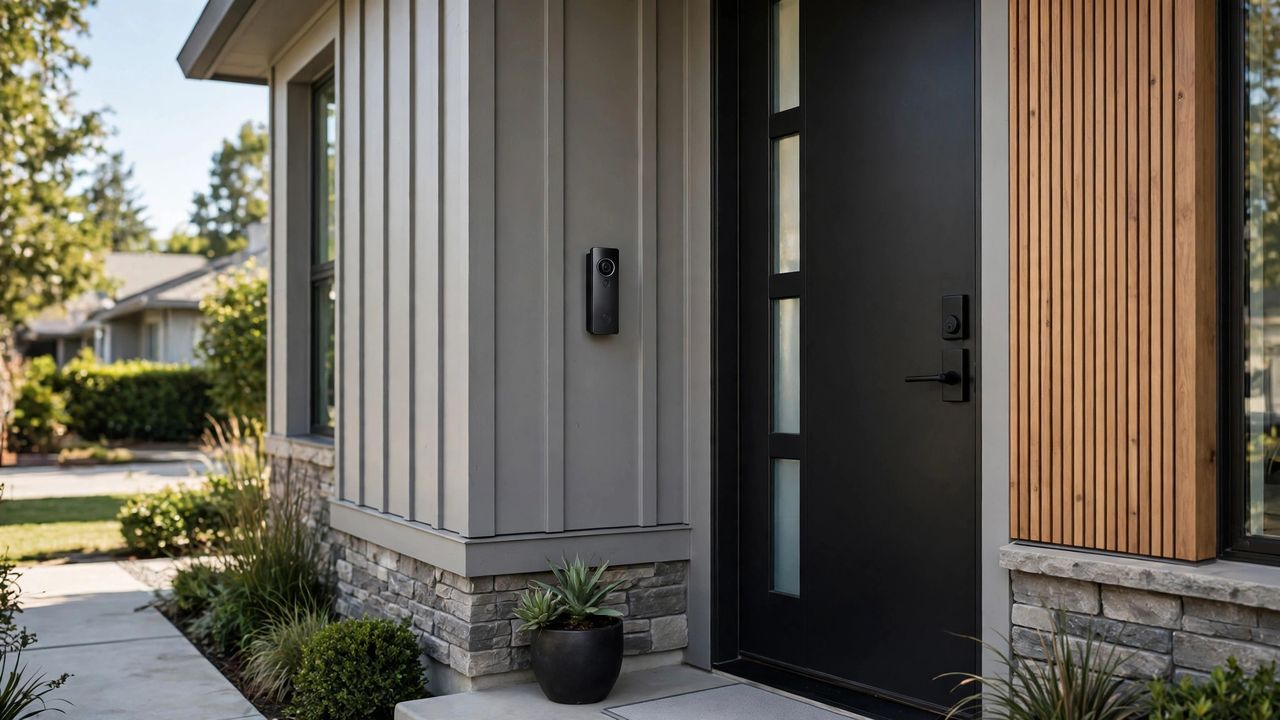
A video doorbell lets you see and talk to whoever is at your door — from the couch or from another country. It is part security camera, part intercom, and surprisingly affordable. But wired vs. battery, subscriptions, and privacy fine print can trip you up. Here is what to know first.
What They Actually Do
When someone rings (or motion is detected), your phone gets an alert with live video and two-way talk. Deliveries, visitors, and suspicious activity all get recorded. Many models now include package detection, person alerts, and night vision. The peace of mind is real — especially for frequent online shoppers and anyone living alone. Think of it as a peephole that works from anywhere.
Wired vs. Battery
Wired doorbells connect to your existing doorbell wiring: always powered, no charging, but installation is harder (and impossible in some rentals). Battery doorbells install in minutes with screws or adhesive — the renter-friendly choice — but need recharging every 1–6 months depending on activity. Tip: busy streets drain batteries fast from constant motion alerts; wired wins for high-traffic doors.
The Subscription Question
This is the fine print that matters most. Most brands charge $3–$10/month for cloud video history — without it, you may only get live view and no saved clips. Some models offer local storage (microSD or a home base station) with no monthly fee — read this spec before buying, not after. Factor 2–3 years of subscription cost into the true price; a "cheap" doorbell with a mandatory plan is not cheap.
Video Quality and Privacy Tips
1080p with HDR is the baseline — look for a wide field of view (150°+) and a head-to-toe vertical ratio so you can see packages on the ground. For privacy: set activity zones so the camera ignores the sidewalk, use two-factor authentication on the app, and check whether the brand shares footage with third parties — policies differ wildly. Also note local laws: recording audio or neighbors' property can be restricted in some regions.
Bottom line: a video doorbell is one of the best-value smart-home upgrades — just buy with eyes open. Choose wired if you can, confirm the subscription terms, and set up privacy zones on day one. Do that, and your front door becomes the smartest part of your house.