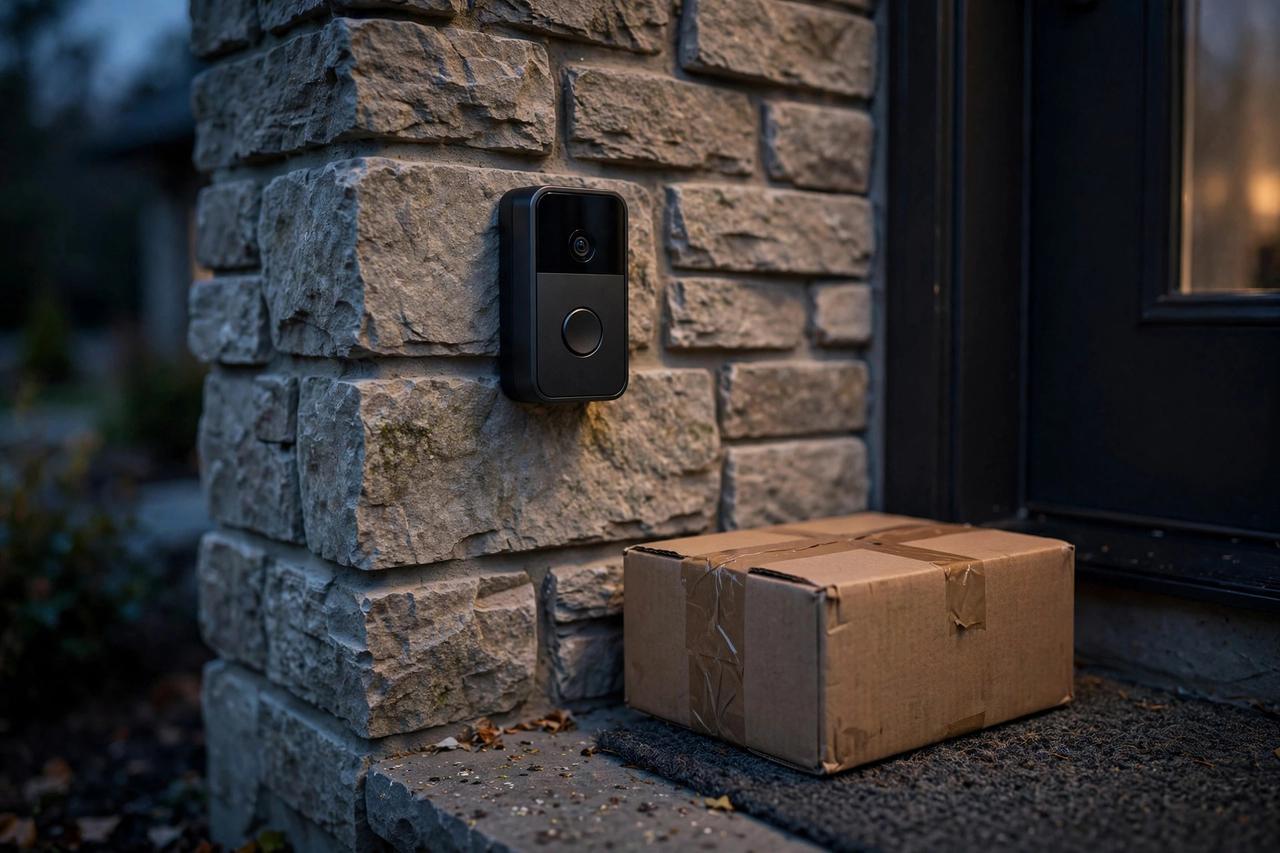
A smart video doorbell is the rare gadget that earns its keep daily — catching packages, screening visitors, and deterring porch pirates. But the market is crowded, and the difference between a great doorbell and a frustrating one comes down to a handful of decisions you should make before buying.
Video Quality and Field of View
Look for at least 1080p resolution with HDR so faces are recognizable in harsh sunlight and at night. A wide field of view (150 degrees or more) plus a tall vertical aspect ratio lets you see packages on the ground, not just faces. Color night vision is a genuine upgrade over grainy black-and-white infrared. Two-way talk with noise cancellation means you can actually hold a conversation through the doorbell.
The Subscription Question
Many doorbells record to the cloud only with a paid plan, typically $3 to $10 a month. Before you buy, check what works without a subscription: live view, motion alerts, and chimes usually do, while recorded history and smart alerts often do not. Some brands offer local storage via a hub or microSD card with no monthly fee — a strong choice if you dislike subscriptions.
Privacy: Who Sees Your Footage
Your doorbell films a public space, so privacy settings matter. Choose a brand with end-to-end encryption, activity zones that limit recording to your property, and clear policies against sharing footage without consent. Disable audio recording if local laws require two-party consent, and tell regular visitors the camera is there.
Battery vs Wired Installation
Battery doorbells install in minutes with no wiring and suit renters, though you will recharge every few months. Wired models draw power from your existing chime transformer and never need charging, but installation may require an electrician. Either way, mount at about 48 inches high, angle slightly toward the walkway, and test the Wi-Fi signal at the door before drilling anything.