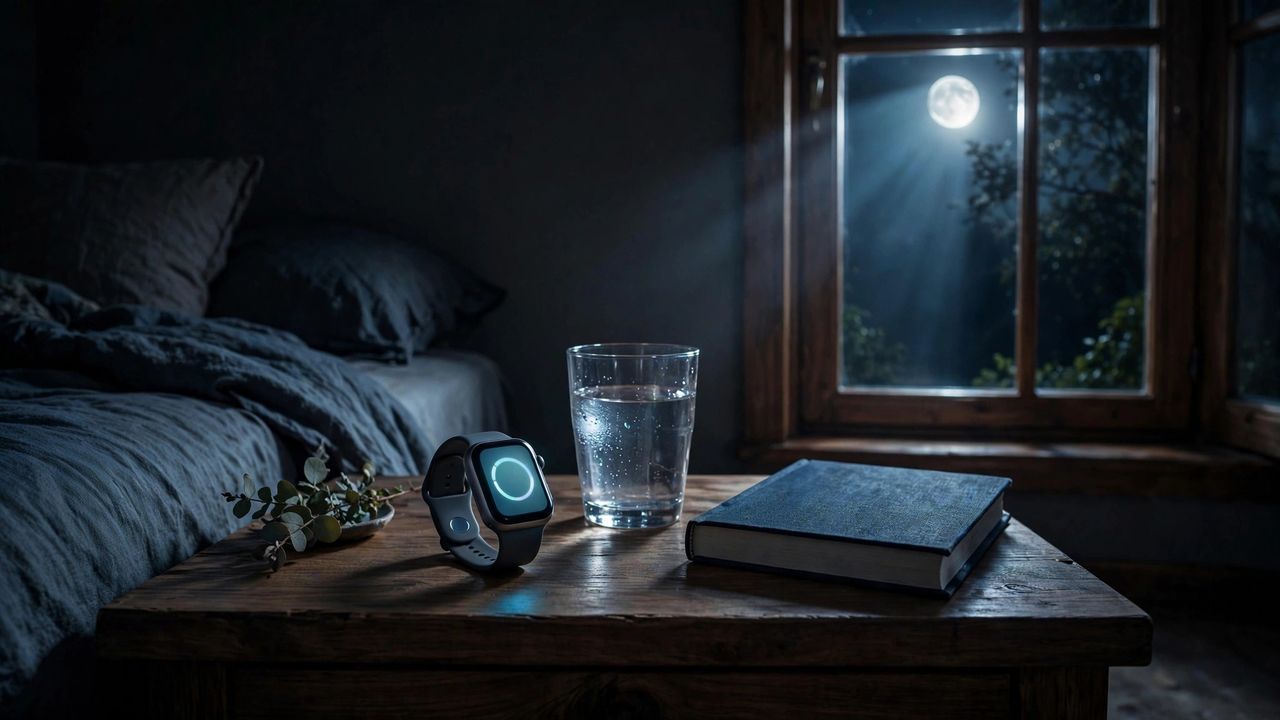
Millions of people now wake up to a "sleep score" — and then wonder what to do with it. Sleep trackers in 2026 range from wrist wearables to under-mattress sensors, all promising insight into your nights. The device is only half the story; knowing which numbers matter (and which don't) is what turns data into better sleep.
How Sleep Tracking Works
Most trackers combine motion sensing with heart-rate data to estimate sleep stages — light, deep, and REM — plus total time asleep and wake-ups. Fancier devices add blood oxygen, skin temperature, and heart-rate variability. It's estimation, not a medical sleep lab: stage accuracy is decent for total sleep time but shakier for exact REM minutes. Treat the trends as useful and the nightly numbers as approximate.
The Metrics That Actually Matter
Ignore the single score and watch three things: consistency (bedtimes within the same hour nightly), total sleep time (most adults need 7–9 hours), and how you feel at 2 p.m. (the honest metric no sensor measures). Deep-sleep and REM percentages fluctuate naturally — chasing perfect numbers creates anxiety that ruins sleep. Week-over-week trends beat any single night's data; one bad night means nothing, a bad month means something.
Habits That Improve Sleep More Than Any Device
The tracker reveals the problem; habits fix it. Keep a fixed wake time — even weekends — since it anchors your body clock. Get bright light within an hour of waking and dim screens an hour before bed. Cut caffeine after early afternoon and keep the bedroom cool, dark, and quiet. A short wind-down routine (reading, stretching, no news) tells your brain the day is over. These boring basics outperform every gadget feature.
Choosing a Tracker Without Regret
Pick the form you'll tolerate every night — a bulky watch you remove defeats the purpose; ring or under-mattress options work for restless sleepers. Battery life matters more than features: charging every night kills the habit. Check whether sleep data stays useful without a paid subscription — some devices lock the best insights behind one. Comfort and simplicity beat spec sheets for something you wear while unconscious.
A sleep tracker is a mirror, not a cure. Use it to spot patterns, change one habit at a time, and judge success by how you feel — not by a score. Sleep better, live better; the gadget is just the nudge.