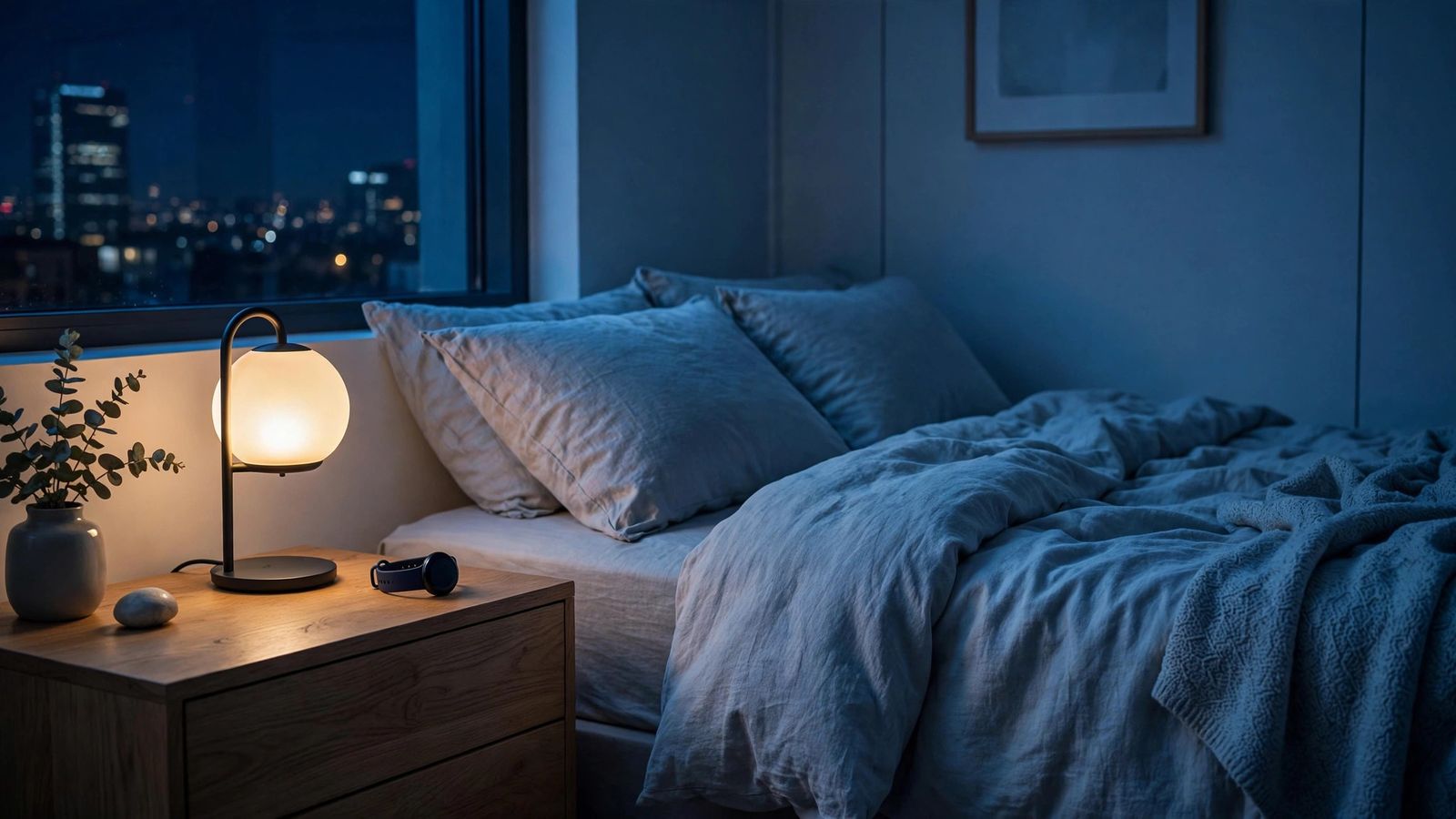
Americans now spend billions on sleep tech — rings, headbands, sunrise lamps, and apps that promise perfect rest. Some of it genuinely helps. Most of it is expensive decoration. Here's an honest 2026 guide to what works, what's hype, and what to buy first.
Trackers: Data vs. Anxiety
Oura Ring, Apple Watch, and Whoop track sleep stages, heart rate, and HRV with decent accuracy — good enough to spot trends. The real value isn't the "sleep score"; it's correlating habits with rest: that 9pm coffee, the late workout, the scrolling. Warning: orthosomnia (obsessing over perfect scores) is real — check trends weekly, not nightly.
Gadgets That Earn Their Price
Two categories are worth it. Sunrise alarm clocks ($40–$150) wake you with gradual light — far gentler than a blaring phone, and great for dark winters. White-noise machines or earbuds ($20–$50) mask snoring partners and street noise; look for non-looping sound. Smart bulbs with scheduled warm dimming beat any "sleep app" — light is the strongest sleep signal your brain gets.
The Free Stuff Matters More
No gadget fixes a chaotic schedule. The science-backed basics: same wake time daily (even weekends), morning sunlight within an hour of waking, no caffeine after 2pm, a cool dark bedroom (65–68°F / 18–20°C), and screens off 30–60 minutes before bed. Buy gadgets only after these are locked in — tech amplifies good habits, it doesn't replace them.
Fix the free habits first — consistent wake time, morning light, caffeine cutoff. Then add one gadget that targets your actual problem: noise, light, or wake-ups. That's how sleep tech earns its place on your nightstand.