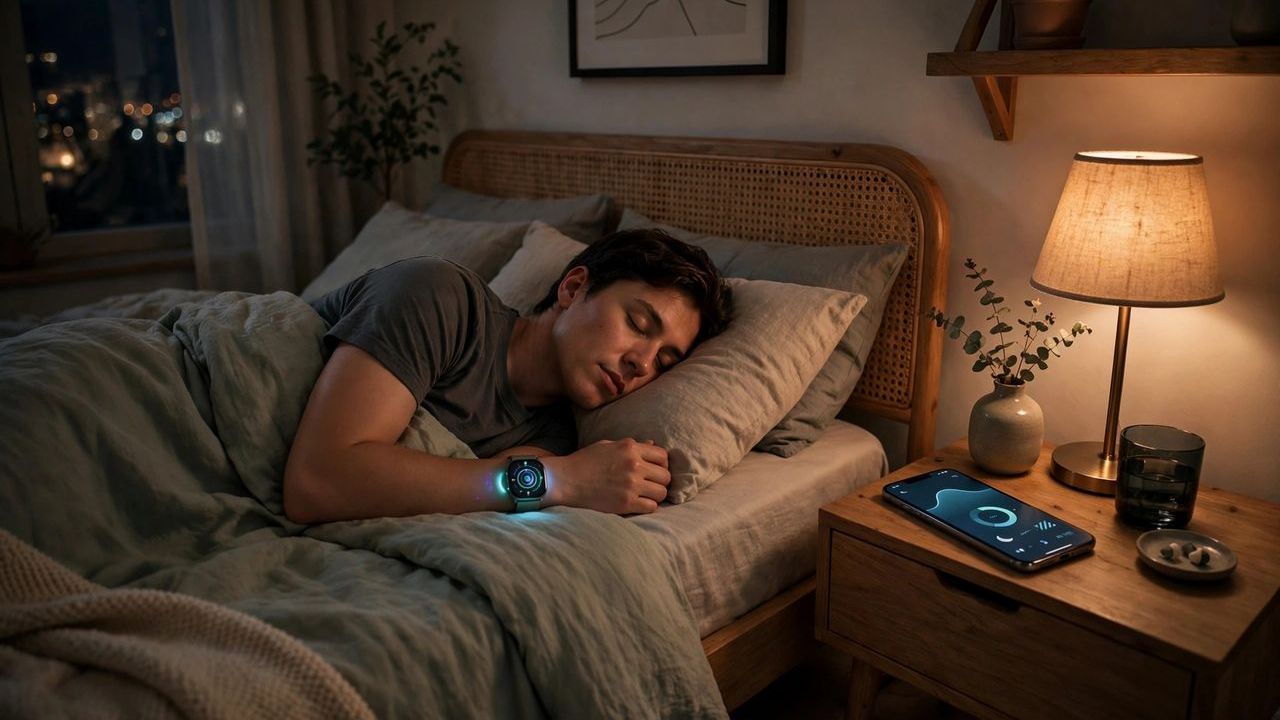
You can feel a bad night in your bones — the groggy morning, the afternoon slump, the coffee that never quite fixes it. Technology won't replace good habits, but it can show you exactly what's happening between lights-out and sunrise. Sleep trackers measure your sleep stages, interruptions, and rhythm, then translate the numbers into advice you can actually use. In 2026, these tools are more accurate and affordable than ever.
What Sleep Trackers Actually Measure
Most trackers — whether a smartwatch, a ring, or a phone app — estimate your light, deep, and REM sleep using movement and heart-rate data. Some add snoring detection or oxygen estimates. Don't chase a perfect score; look at patterns instead. If your deep sleep is always low after late dinners, that's a clue worth acting on. Track for at least two weeks before drawing conclusions, since one strange night means nothing.
Best Ways to Start Tracking
The easiest start is a free phone app like Sleep Cycle or Pillow, which uses your phone's microphone and accelerometer on the nightstand. If you already own an Apple Watch, Fitbit, or Samsung Galaxy Watch, their built-in sleep tracking is solid and automatic. Dedicated sleep rings are comfortable for people who dislike wearing a watch in bed. Whatever you pick, wear it consistently — sporadic data is useless data.
Gadgets That Improve Sleep Quality
Tracking is only half the story; smart gadgets can change the environment itself. White-noise machines and smart speakers mask street sounds that cause micro-awakenings. Sunrise alarm clocks wake you gradually with light instead of a jarring buzzer. Smart plugs with schedules can dim your lamps an hour before bed, nudging your brain toward sleep mode. Keep your bedroom cool and dark — tech or not, that matters most.
Turning Data Into Better Habits
Here's where trackers earn their keep: set a consistent bedtime and watch your sleep score climb over a few weeks. Most apps show correlations — caffeine after 3 p.m., late exercise, alcohol — so you can see your own triggers instead of guessing. Enable bedtime reminders and "wind-down" modes that silence notifications. But remember: a tracker is a mirror, not a doctor — if snoring or daytime sleepiness persists, see a professional.
One more tip: charge your tracker during dinner, not overnight, so it's always ready at bedtime. And don't obsess over nightly scores — check your weekly averages instead. Small, steady changes to your bedtime routine beat any gadget, and within a month, better sleep can feel like an upgrade to your whole life.