One in three adults sleeps poorly — and it wrecks focus, mood, immunity, and weight. Forget miracle gadgets: sleep science in 2026 points to simple, free habits that genuinely work. Here is the evidence-based guide.
Fix Your Schedule First
Wake up at the same time every day — including weekends. This one habit anchors your entire circadian rhythm. Get morning sunlight within an hour of waking; it tells your brain when 'day' starts. Avoid naps after 3 PM or keep them under 20 minutes. Consistency beats duration: regular 7 hours beats irregular 9.
The Bedroom Environment
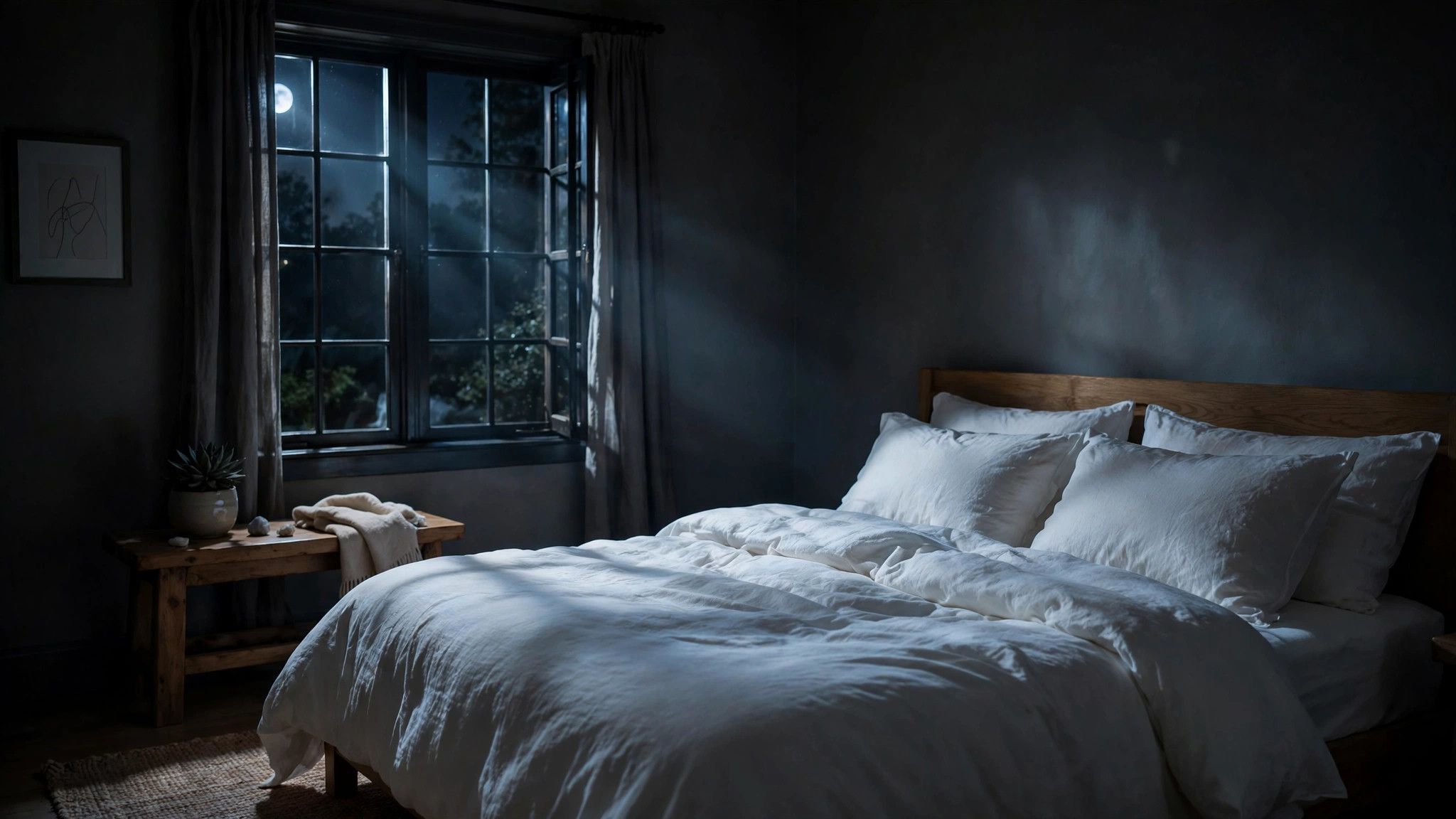
Cool, dark, quiet: ~18°C (65°F) is the sweet spot. Blackout curtains or a sleep mask block light that suppresses melatonin. White noise or earplugs handle noisy streets. Your bed is for sleep — stop working and scrolling in it, so your brain keeps the association strong.
Screens, Caffeine, and Alcohol
No caffeine after noon — its half-life is 5–6 hours, so that 4 PM coffee is still in you at 10 PM. Dim screens 1 hour before bed; better yet, charge your phone outside the bedroom. Alcohol ruins sleep quality even when it helps you fall asleep — it fragments the deep stages. Heavy meals 3 hours before bed is the cutoff.
Wind Down Like You Mean It
A 30-minute wind-down ritual signals your body: dim lights, stretch, read paper. Write tomorrow's worries down — a racing mind is the #1 sleep killer, and paper holds it better than your head. If you can't sleep after 20 minutes, get up and do something boring in dim light until drowsy. Don't watch the clock.
Sleep is a skill you practice, not a switch you flip. Pick three habits from this guide and do them for two weeks — most people feel the difference within days.