You sleep eight hours yet wake up exhausted. Your partner complains about thunderous snoring. You nod off in meetings or behind the wheel. These aren't just bad habits — they may be sleep apnea, a condition where breathing repeatedly stops during sleep. Millions of people have it and don't know it, and untreated it raises the risk of heart disease, stroke, and accidents. Here's how to recognize it and what to do.
The Warning Signs You Shouldn't Ignore
The classic trio: loud, chronic snoring; pauses in breathing witnessed by a partner; and gasping or choking awake. Daytime clues include excessive sleepiness despite long sleep, morning headaches, dry mouth on waking, trouble concentrating, and irritability. Risk factors stack up with age, excess weight, a thick neck, smoking, and alcohol use — but thin, young people can have it too, especially with a narrow airway or large tonsils. If two or three of these describe you, it's worth investigating — this isn't "just snoring."
How Diagnosis Works in 2026
The gold standard is still a sleep study (polysomnography): you sleep in a clinic wired to sensors, or — increasingly common — take a home sleep test: a small device you wear in your own bed that tracks breathing, oxygen, and heart rate for one to three nights. Home tests are cheaper, more comfortable, and good at detecting moderate-to-severe apnea. Your doctor reviews the data and gives you an AHI score (apnea-hypopnea index): how many times per hour your breathing is disrupted. Under 5 is normal; 5-15 is mild; 15-30 moderate; above 30 severe. That number guides treatment.
CPAP and Its Alternatives
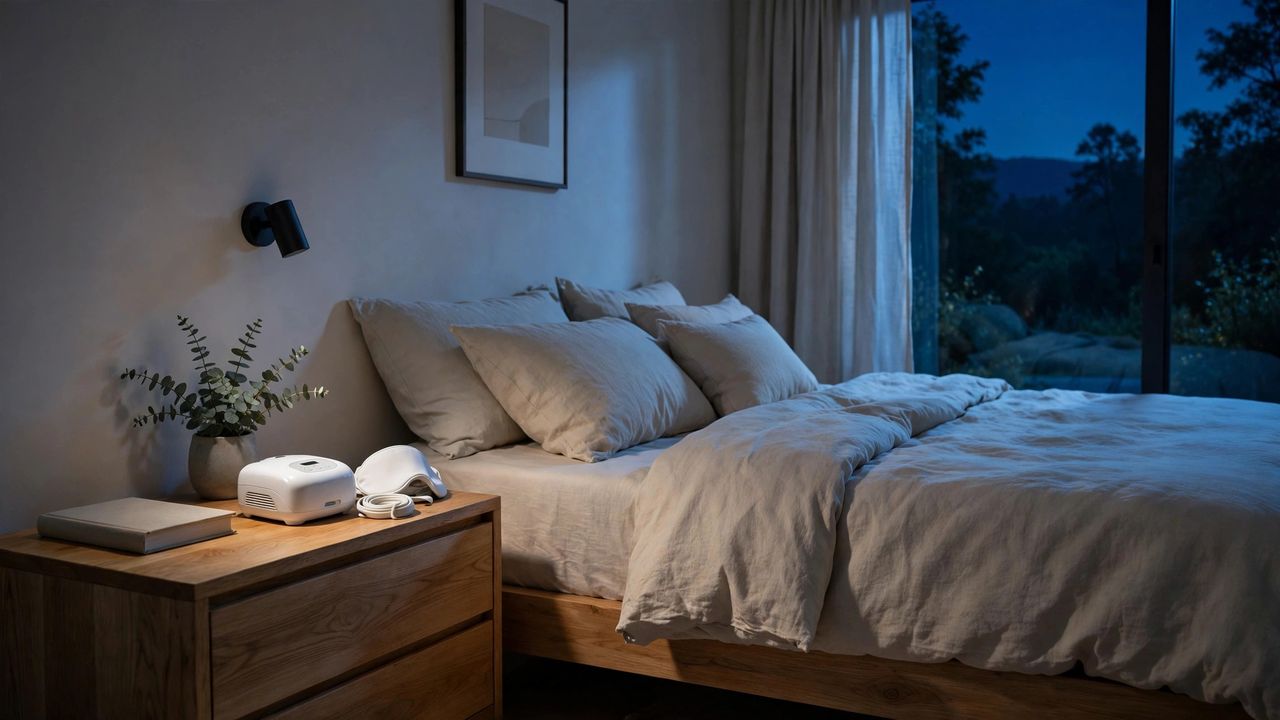
CPAP machines (continuous positive airway pressure) are the most effective treatment: a quiet mask gently keeps your airway open all night. Modern ones are small, whisper-quiet, and auto-adjusting — many users feel transformed within a week. If you can't tolerate CPAP, options include mandibular advancement mouthguards (custom dental devices that move the jaw forward), positional therapy devices that stop you sleeping on your back, and for some, surgery or nerve-stimulation implants that keep the airway open. Lifestyle changes help too: weight loss, avoiding alcohol before bed, and quitting smoking all reduce severity.
Sleep apnea is common, treatable, and ignoring it is dangerous — falling asleep at the wheel can be fatal. If the signs sound familiar, see your doctor and ask about a sleep study. Treatment doesn't just give you quieter nights; for many people, it's the first truly restful sleep they've had in years.