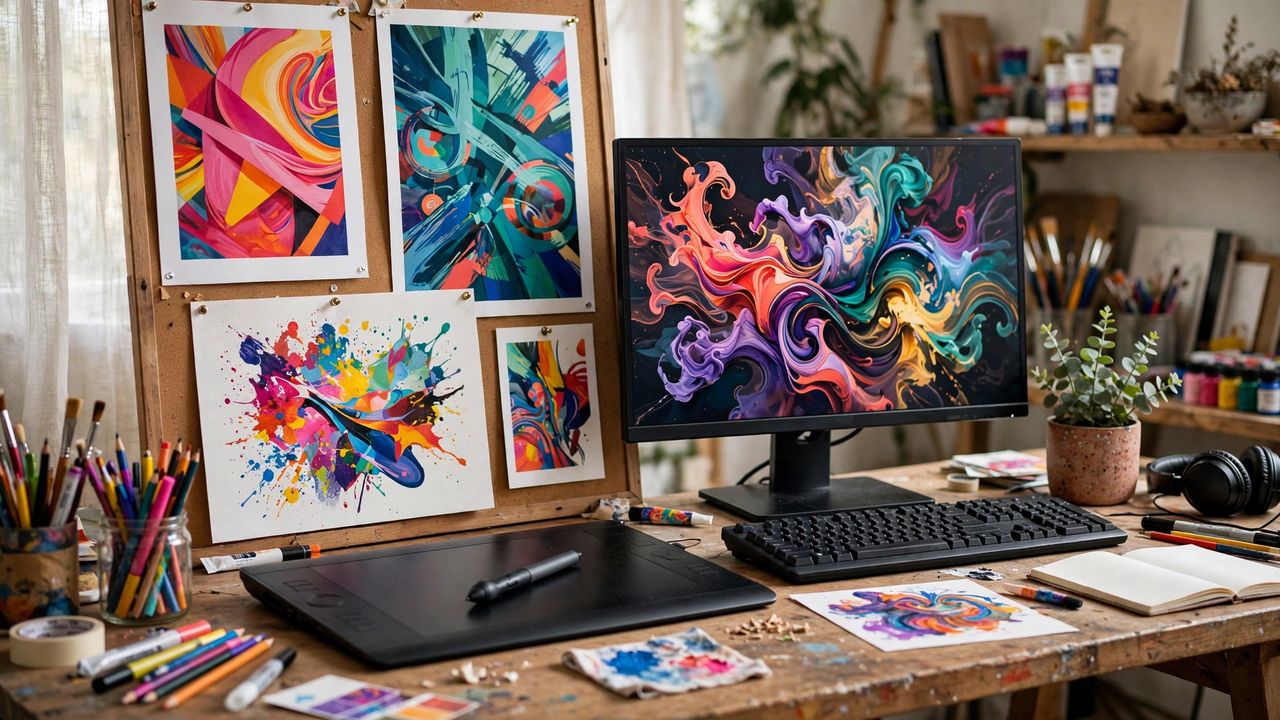
AI image tools can now create stunning artwork in seconds — and buyers are paying real money for it. From wall art prints to book covers to game assets, the market for AI-generated art keeps growing in 2026. But turning pixels into profit takes more than typing prompts: you need to know where to sell, how to price, and how to stand out in a crowded field. This guide covers exactly that.
Know the Rules Before You Sell
Not every marketplace allows AI art, and rules change fast. Always check each platform's current AI content policy before uploading — some require you to label work as AI-generated, others restrict it to certain categories. Understand your image tool's commercial license: free tiers often forbid commercial use, while paid plans grant it. Keep records of your prompts and generation settings; some buyers and platforms ask for proof of creation process. When in doubt, disclose that a piece is AI-assisted — honesty builds buyer trust and protects your accounts from bans.
7 Marketplaces That Actually Pay
Here is where the money is. Print-on-demand sites let you sell art on posters, shirts, and mugs with zero inventory — you earn per sale while they handle printing and shipping. Stock-style marketplaces pay per download for illustrations, backgrounds, and textures that designers and marketers need constantly. Digital download shops work well for wall-art bundles and printable planners sold at fixed prices. Freelance platforms connect you with clients wanting custom AI-assisted covers, logos, and branding. Digital collectible platforms still pay for limited-edition drops with strong communities. Creative asset stores buy game-ready sprites, icons, and UI packs. Finally, your own storefront keeps 100% of revenue once you build an audience. Start with two marketplaces, learn what sells, then expand.
Pricing and Standing Out
Pricing AI art trips up beginners. Research what similar pieces actually sell for — not what sellers ask, but completed sales. Start mid-range: too cheap signals low quality, too expensive with no reputation means no sales. Sell collections and bundles instead of single images; a 20-pack of matching wall art outsells one-offs. To stand out, develop a recognizable style — a consistent color palette or theme buyers remember. Write great titles and descriptions with the keywords buyers search. Post your process on social media: behind-the-scenes content attracts followers who become customers. Update your portfolio monthly and double down on whatever gets downloads.
Selling AI art in 2026 is a real opportunity, but it rewards creators who treat it like a business. Learn the rules, pick the right marketplaces, price smartly, and build a style people recognize. Your first sale might take weeks — your hundredth will feel inevitable.