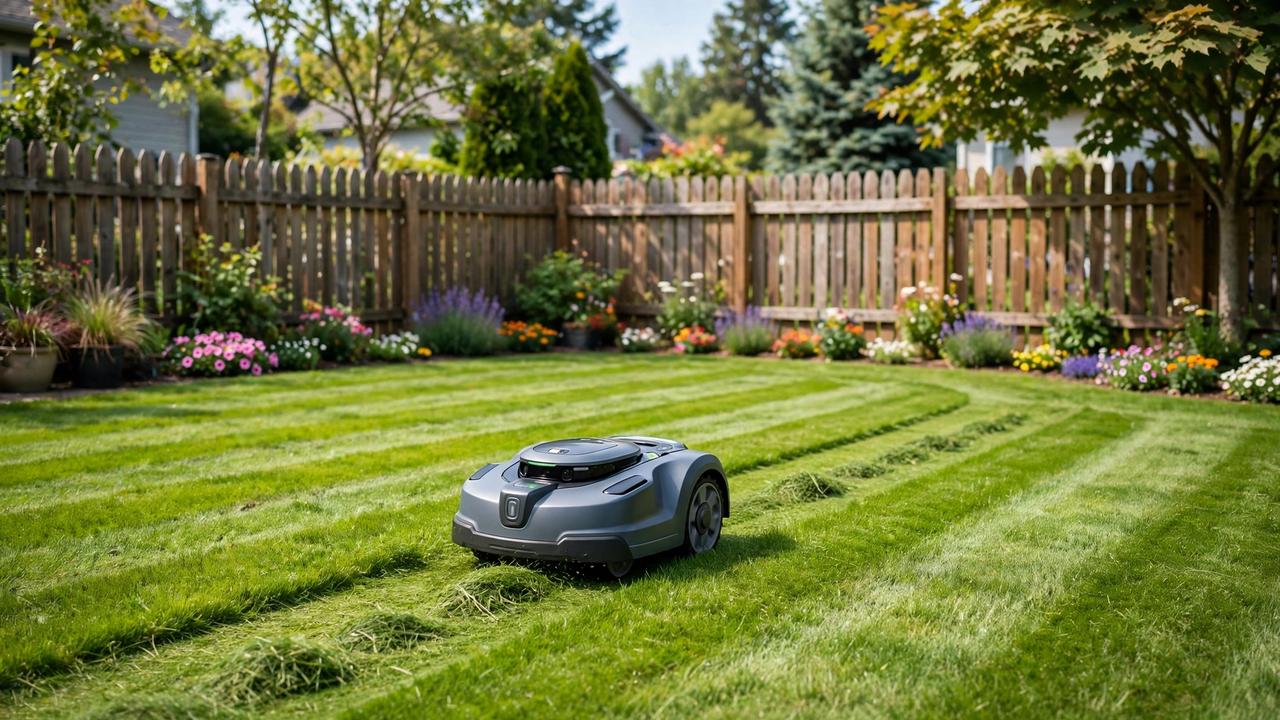
A robot mower quietly clips your lawn a little every day, so the grass never gets long — and you never have to push a mower in the summer heat again. Prices have fallen, batteries last longer, and navigation has improved hugely compared to the random-bounce machines of a few years ago. Here is how to choose the right model and set it up so it just works.
Match the Mower to Your Lawn
The single most important spec is maximum coverage area: buy a mower rated for at least 20–30% more than your actual lawn size, so it finishes comfortably. Also check slope rating if your yard has hills, and confirm it can handle your grass type.
Boundary Wire vs Wire-Free Navigation
Classic models use a buried boundary wire you install yourself — reliable but fiddly to set up. Newer wire-free models use GPS, cameras or beacons: far easier to install and they mow in neat stripes. Wire-free costs more, but most buyers say the convenience is worth it.
Setup: Spend the Time Once
Good installation decides everything. Keep the charging dock on flat ground with clear space around it, route the boundary wire a fixed distance from edges and flowerbeds, and let the mower map the yard fully before judging it. A careful two-hour setup prevents years of "stuck robot" rescue missions.
Maintenance Is Easy (But Required)
Clean the wheels and underside monthly, replace the razor blades every 1–3 months (they are cheap and swap in seconds), and store the mower indoors in winter. Dull blades tear grass and turn it brown — fresh blades are the cheapest lawn improvement there is.
Safety and Pets
Modern mowers stop instantly when lifted or tilted, and PIN codes plus GPS tracking deter theft. Still, run the mower when pets and small children are indoors, and schedule mowing for daylight hours so wildlife is less likely to wander into the blades.