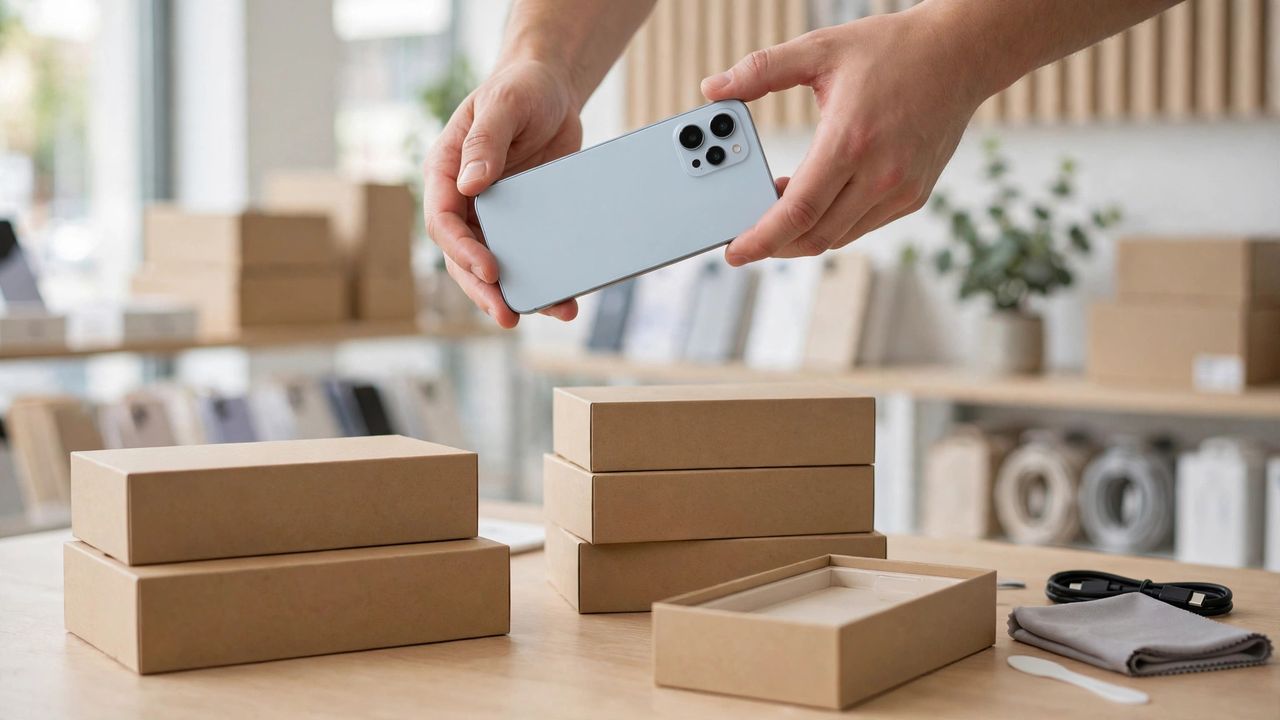
New flagship phones cost a fortune — but a certified refurbished one can be nearly identical for 30–40% less. "Refurbished" doesn't mean someone's old beat-up phone. It means tested, repaired with quality parts, cleaned, and sold with a warranty. Here's how to buy smart and avoid junk.
Refurbished Is Not "Used"
The difference matters. Certified refurbished phones pass a 50+ point inspection, often get a new battery and outer shell, and ship with a real warranty. A random "used" phone from a stranger offers none of that. Always buy certified — the small price premium buys enormous peace of mind.
Where to Buy Safely
Start with manufacturer refurbished stores (Apple, Samsung, Google) — the gold standard. Reputable marketplaces like Back Market and carrier refurbished programs are solid too. Insist on a minimum 30-day return window and at least a 12-month warranty. If a seller offers neither, walk away no matter how tempting the price.
The Pre-Purchase Checklist
Before paying, verify four things: battery health above 85%, a warranty of 12 months or more, an unlocked phone that works with your carrier, and a price at least 25–30% below new. Read recent seller reviews, and pay with a credit card or protected payment method so you can dispute problems.
Red Flags to Avoid
No warranty, stock photos instead of real ones, and prices far below market are classic warning signs. Be wary of sellers who rush you, refuse returns, or can't answer basic questions about battery health. A legitimate refurbisher is proud of its testing process — scammers hide theirs.
Test Everything in Week One
When the phone arrives, run through every feature before the return window closes: cameras, speakers, microphones, charging, buttons, and fingerprint sensor. Check battery health in settings and confirm it matches the listing. Keep the box and all accessories until you're sure you're keeping it. A thorough first-week test turns a good deal into a safe one.