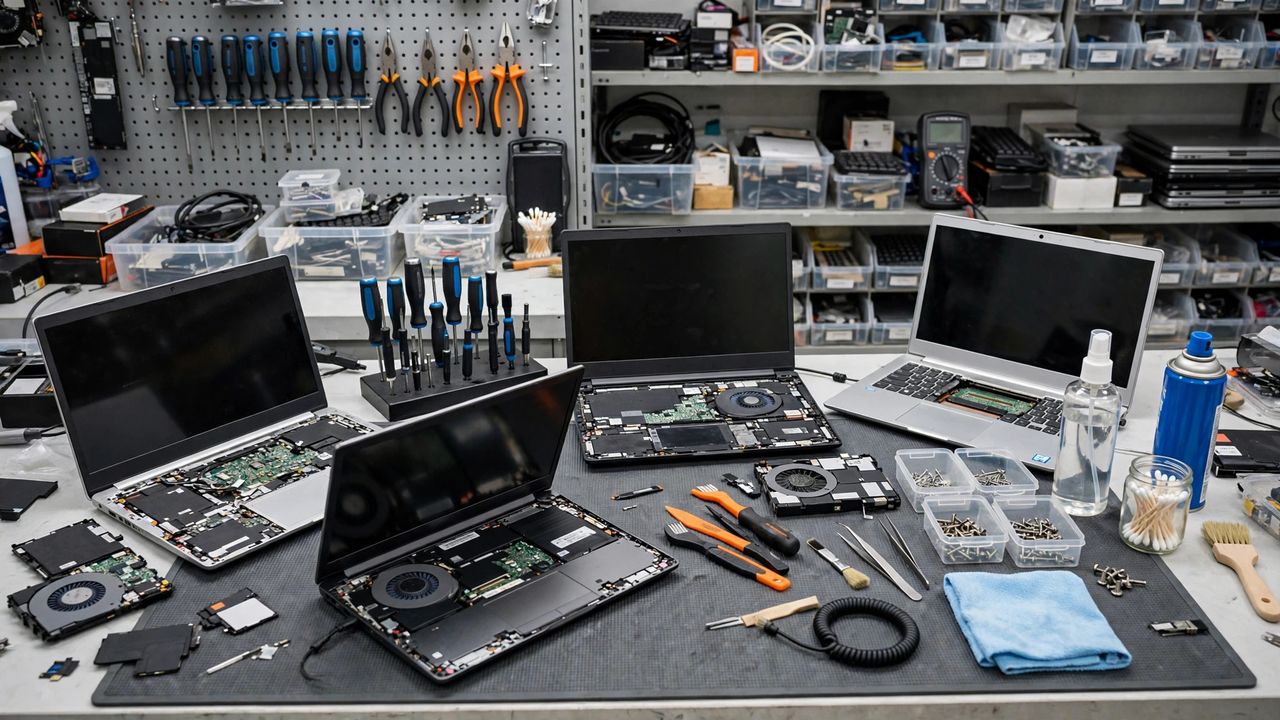
A two-year-old premium laptop, professionally refurbished, often outperforms a brand-new budget model — for half the price. In 2026, certified refurbished programs have matured, warranties have improved, and the savings are real. But the market has traps too. Here's how to buy refurbished with confidence.
Why Refurbished Beats Cheap and New
Business-grade laptops are built to survive years of office abuse — metal frames, better keyboards, replaceable parts. When these come off corporate leases, refurbishers test, clean, and replace worn parts, then sell them for 40–60% off the original price. For students, writers, and office workers, a refurbished mid-tier machine is almost always a better deal than a new entry-level one with a flimsy body and dim screen.
What to Check Before Buying
Specs matter, but condition matters more. Look for at least 8 GB of RAM (16 is better for the long run) and an SSD — never buy a spinning hard drive in 2026. Check the battery: reputable sellers list battery health or include a new one. Read the grading carefully — "Grade A" should mean minimal cosmetic wear. Confirm the charger is included, the keyboard layout matches your language, and the operating system license is genuine and activated.
Where to Buy Safely
Stick to sellers with real return policies — at minimum 14–30 days — and a warranty of at least one year. Manufacturer outlet programs and large certified refurbishers are the safest bet; marketplace sellers can be fine if they have long track records and thousands of reviews. Avoid "as-is" listings, sellers who won't show actual photos of the unit, and deals dramatically cheaper than everywhere else. Pay with a method that offers buyer protection, never wire transfers.
Red Flags: Walk Away When…
The listing hides the exact model number or processor generation. The seller can't answer basic questions about battery health. "Refurbished" means only "wiped and resold" with no testing described. The price of a "like new" flagship is suspiciously low. The warranty is vague or nonexistent. Any one of these is enough to move on — the refurbished market is large, and a better deal from an honest seller is always a click away.
Buying refurbished is smart shopping with a green bonus — you get a better machine and keep electronics out of landfills. Do your homework on specs, buy from sellers who stand behind their work, and that "used" laptop will feel like a steal for years.