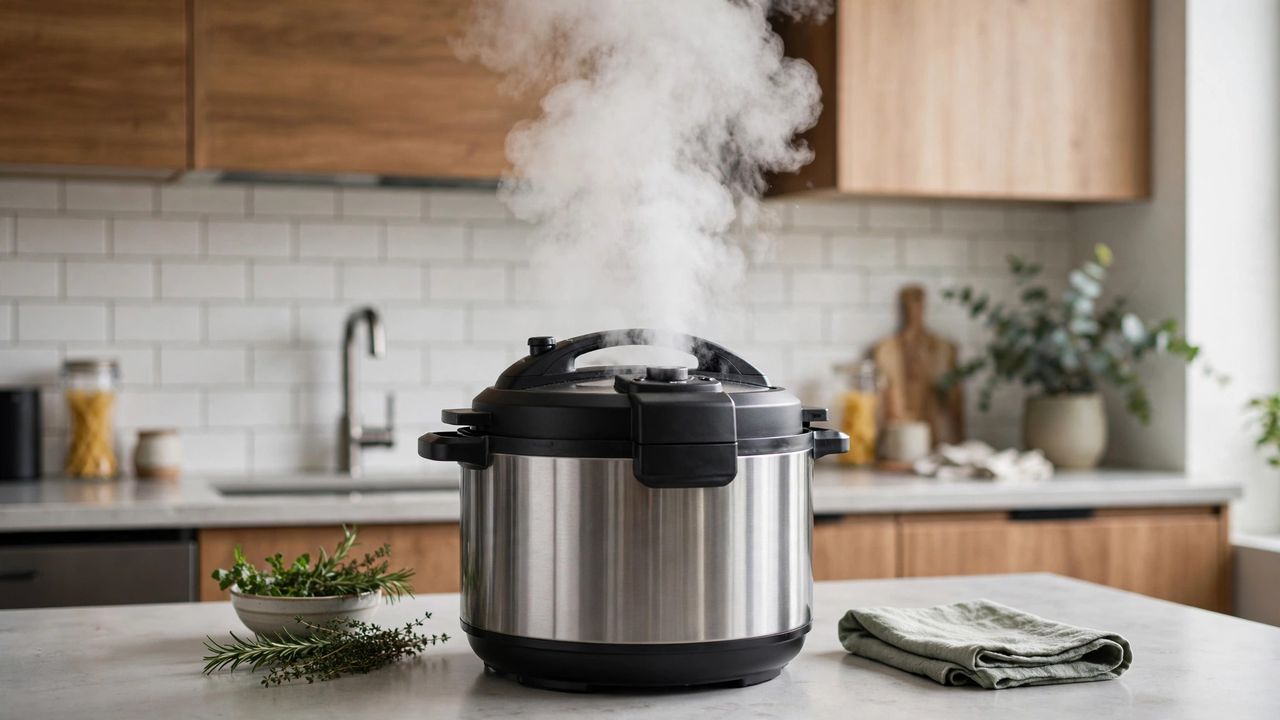
A pressure cooker turns hours of cooking into minutes — dried beans in 30, tough beef stew in 40, risotto in 6. Modern electric models are nothing like your grandmother's rattling stovetop pot: multiple safety locks, set-and-forget programs, and keep-warm modes. Here is how to use one safely and well.
Safety: Modern Cookers Protect You
Today's electric pressure cookers have lid locks, pressure sensors, and automatic shutoffs that make the old horror stories nearly impossible. Still, follow the basics: never force the lid, keep the sealing ring clean and seated, and always release pressure away from your face. The golden rule: if the lid resists, pressure is still inside — wait for the pin to drop.
Quick vs Natural Release: When to Use Each
Quick release (turning the valve) suits vegetables and seafood that overcook fast; natural release (waiting 10–15 minutes) suits meats, beans, and foamy foods like lentils, keeping them tender and the liquid clear. Soups benefit from a hybrid: 10 minutes natural, then quick. Meats get natural release, vegetables get quick release — memorize that and you are set.
Beginner Recipes That Always Work
Start with forgiving dishes: chicken and rice, beef chili, lentil soup, and pulled pork all thrive under pressure and are hard to ruin. Brown meat with the sauté function first for deeper flavor, deglaze the pot, then pressure cook. Always add at least one cup of thin liquid — pressure cooking cannot work without steam.
Care, Cleaning and Longevity
Wash the inner pot, lid, and sealing ring after every use; store the lid upside down so the ring airs out and does not trap odors. Replace the sealing ring yearly — a worn ring is the top cause of "won't come to pressure" complaints. A fresh sealing ring once a year prevents 90% of pressure cooker problems.
A pressure cooker is the busiest family's secret weapon: real home-cooked meals on weeknights, with less energy and less cleanup. Learn the releases, keep the ring fresh, and dinner gets dramatically easier.