You don't need meat to hit your protein goals. Most adults need around 1.2–1.6g of protein per kg of body weight daily — easy to reach with plants if you plan a little. Here's the no-nonsense guide to eating more plant protein in 2026.
The Best Plant Protein Sources
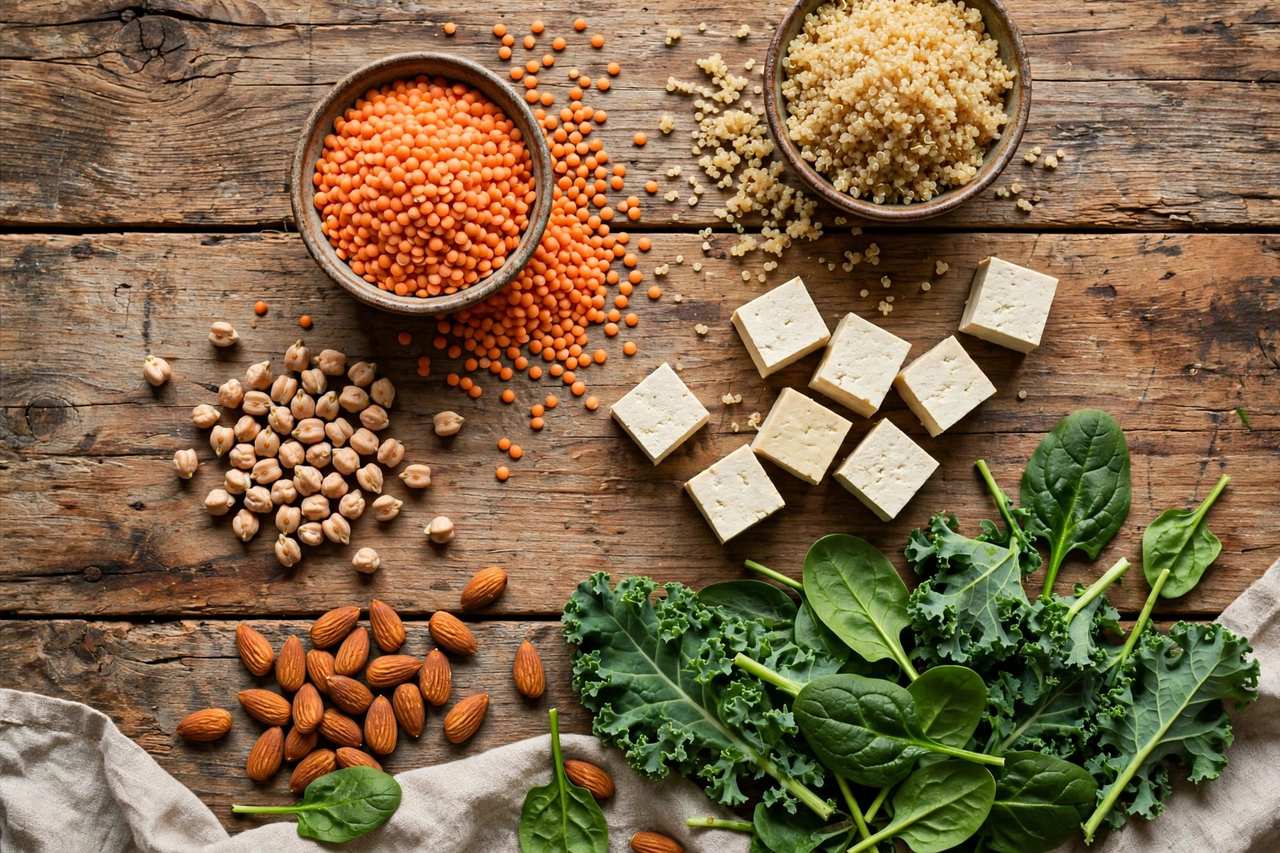
Start with the heavy hitters: lentils (18g per cup cooked), chickpeas, black beans, tofu (20g per cup), tempeh, and edamame. Don't overlook quinoa, hemp seeds, chia seeds, peanut butter, and nutritional yeast — a tablespoon of nutritional yeast adds 8g of protein plus B vitamins to any meal.
Easy High-Protein Meal Ideas
Breakfast: oatmeal made with soy milk, topped with peanut butter and hemp seeds (25g+ protein). Lunch: a lentil and quinoa bowl with roasted vegetables. Dinner: tofu stir-fry with brown rice or a three-bean chili. Snacks: roasted chickpeas, trail mix, or an apple with almond butter.
Combine for Complete Protein
Most plant proteins lack one or two essential amino acids — pair grains with legumes and you get a complete profile. Think rice + beans, hummus + whole-wheat pita, or peanut butter + toast. You don't need to combine them in the same bite; variety across the day does the job.
Smart Tips That Make It Stick
Batch-cook a big pot of lentils or beans every Sunday — it removes the daily decision fatigue. Keep frozen edamame and canned beans on hand for lazy nights. Season aggressively: soy sauce, smoked paprika, cumin, and nutritional yeast turn bland beans into food you crave. Track your intake for a week with a free app, then relax — habits beat counting long-term.
Eating plant-based protein is cheaper, kinder to the planet, and surprisingly easy once you learn the staples. Start with one high-protein plant meal a day and build from there — your body won't know the difference.