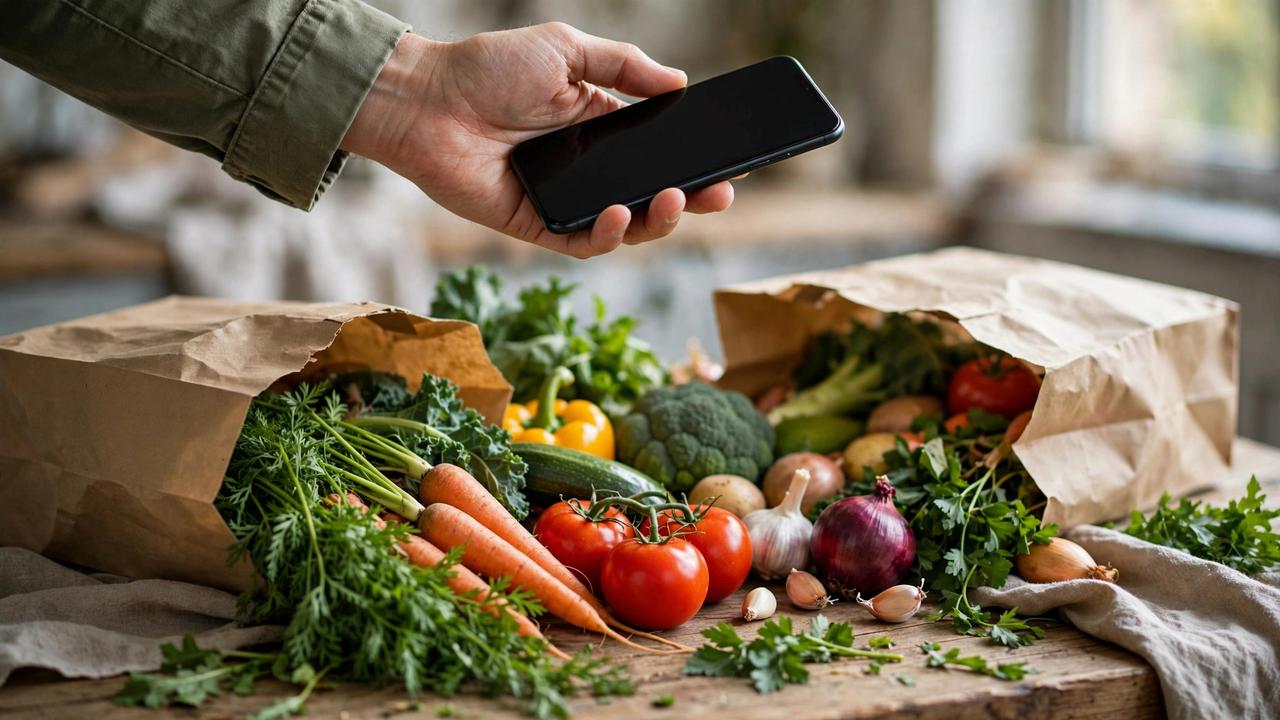
Online grocery shopping has matured from a pandemic workaround into the smartest way many households shop. In 2026, delivery slots are wider, prices are more transparent, and the quality gap with in-store produce has nearly closed. The trick is knowing how to shop the system instead of letting it shop you.
How to actually save money
Delivery fees can quietly eat your savings, so start with the math. Subscription memberships pay for themselves if you order weekly, while pay-per-order fees suit occasional shoppers. Compare unit prices rather than package prices, stack digital coupons before checkout, and use store brands for staples. The biggest saver of all is the cart review: online carts make it painless to delete the impulse snacks you would have grabbed in the aisle.
Getting produce that is actually fresh
Freshness fears keep many shoppers away, but they are mostly outdated. Choose the earliest delivery slot available, since pickers work through the freshest stock first thing in the morning. Leave notes for your picker — green bananas or firm avocados — and they will usually oblige. Local delivery services and farm-box add-ons often beat supermarket chains for produce quality at similar prices.
Plan around the order, not the other way
The most efficient shoppers plan meals before opening the app. A loose weekly menu turns your list into a targeted hunt instead of an open-ended browse, which cuts both spending and food waste. Reorder lists and saved carts make repeat weeks nearly effortless, and many apps now flag when a staple you buy regularly drops in price.
Watch for the traps
Minimum order thresholds nudge you to add items you do not need — better to consolidate into one weekly order than chase free delivery twice. Substitutions can surprise you, so set preferences in advance. Done right, online grocery shopping saves the average household both money and several hours a month, which is a trade few in-store trips can beat.