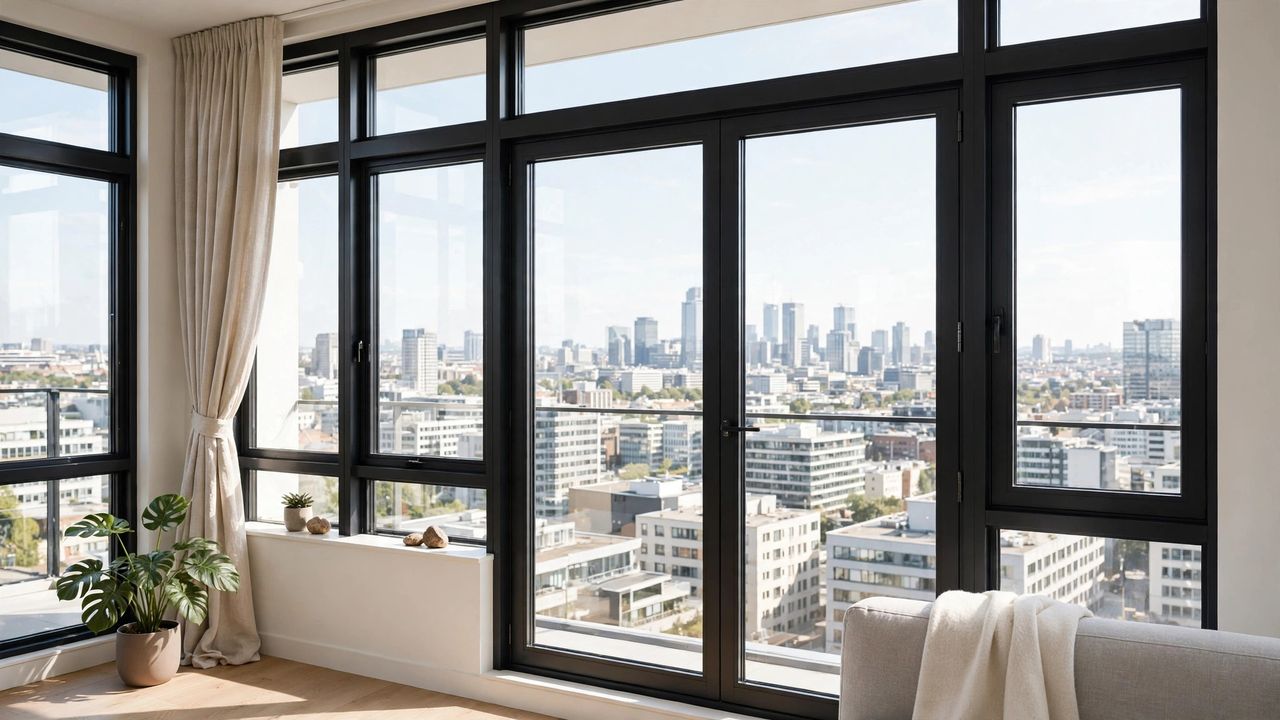
Traffic, barking dogs, and noisy neighbors can turn your home into a stressful place — and windows are usually the weakest point. In 2026, noise-reducing window technology is better and more affordable than ever, with options for every budget from simple upgrades to full replacements. This guide explains how soundproof windows work, what they cost, and which cheaper alternatives genuinely help.
How soundproof windows work
Sound travels through glass as vibration, so noise-reducing windows use thicker glass, multiple panes with air gaps, and laminated layers with a special acoustic film between them. The magic is in combining different glass thicknesses — two identical panes vibrate together, while different thicknesses block different frequencies. Look for the STC rating: higher numbers mean more noise blocked, and a jump from 25 to 35 STC is dramatic.
Double vs triple glazing and laminated glass
Double-glazed windows with one laminated pane offer the best value for most homes — they cut noticeable noise at a reasonable price. Triple glazing adds thermal insulation but only modestly more noise reduction unless the glass thicknesses vary. Full laminated acoustic glass is the premium option for homes near airports or highways. For most homes, double glazing with one laminated pane beats expensive triple glazing on value.
What it costs in 2026
Expect roughly $300 to $800 per window for quality noise-reducing replacements, depending on size and glass type. Acoustic laminated upgrades on existing windows cost less, typically $100 to $300 per window. Get at least three quotes, because installation quality matters as much as the glass itself. Bad installation ruins good glass — choose the installer as carefully as the window.
Cheaper alternatives that actually work
Before replacing windows, try these: heavy acoustic curtains can cut noise by several decibels, weatherstripping seals the gaps where sound leaks in, and a window insert — a removable inner pane — offers serious reduction at a fraction of replacement cost. Even rearranging furniture so bookcases sit against noisy walls helps. Seal the gaps first: weatherstripping is the cheapest noise reduction you will ever buy.
Start by identifying your noise source and budget, seal the easy gaps, and upgrade to noise-reducing glass where it matters most — usually bedrooms. A quieter home in 2026 means better sleep, better focus, and a calmer life.