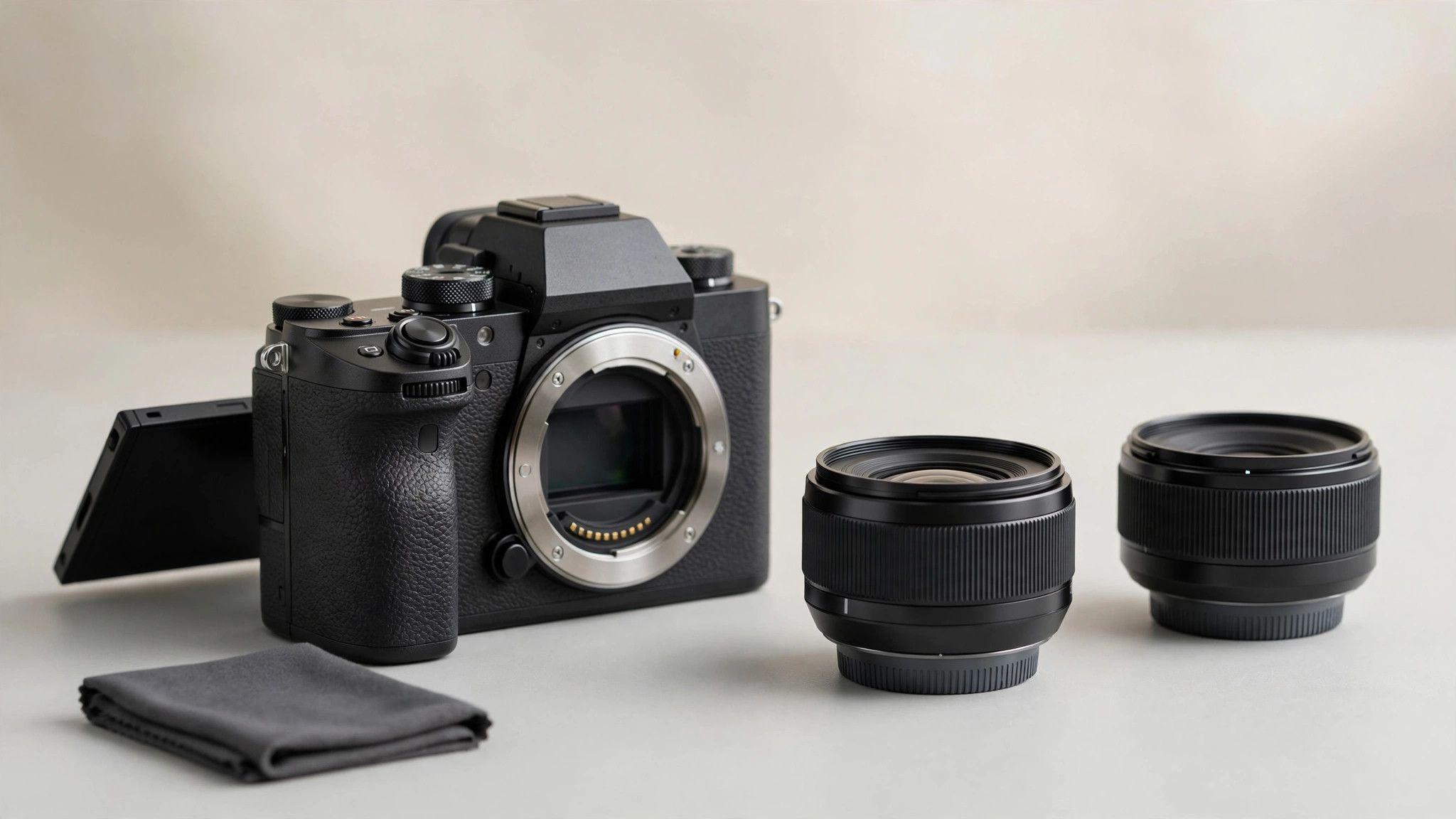
Mirrorless cameras have fully replaced DSLRs for most photographers, offering better autofocus, video, and portability. Buy for the lens system and autofocus performance first — the body is the part you will replace most often.
Sensor Size: Full-Frame vs APS-C vs Micro Four Thirds
Full-frame sensors deliver the best low-light quality and depth of field, but APS-C bodies are cheaper, lighter, and excellent for travel. Beginners should start with APS-C — you get 90% of the image quality at half the price. Micro Four Thirds suits video and telephoto on a budget.
Autofocus: The Real Game-Changer
Modern eye and subject tracking has transformed portrait, wildlife, and sports shooting. Test eye-autofocus in a store before buying — it matters more than megapixels for everyday photos. In 2026, even mid-range bodies track people, animals, and vehicles reliably.
Video Features If You Create Content
If you film YouTube videos or reels, prioritize 4K at 60fps, 10-bit color, and a flip-out screen. 10-bit color is the video spec that makes footage look professional, not just 4K. Check for overheating limits and clean HDMI output if you stream.
Lens Ecosystem: The Hidden Cost
Bodies are temporary; lenses are a decade-long investment. Choose a mount with affordable third-party lenses — it will save you thousands over time. Budget one good zoom or prime lens with the body rather than chasing the newest camera.
Ergonomics and Battery Life
A camera you hate holding stays in the bag. Hold the camera in-store for five minutes — grip comfort decides whether you will actually use it. Mirrorless batteries drain faster than old DSLRs, so check the rated shots per charge and carry a spare.
Budget Strategy: Body vs Glass
A cheaper body with a great lens beats an expensive body with a kit lens every time. Spend roughly 60% of your budget on lenses and 40% on the body. Buying last year's model used is the smartest value move in 2026.