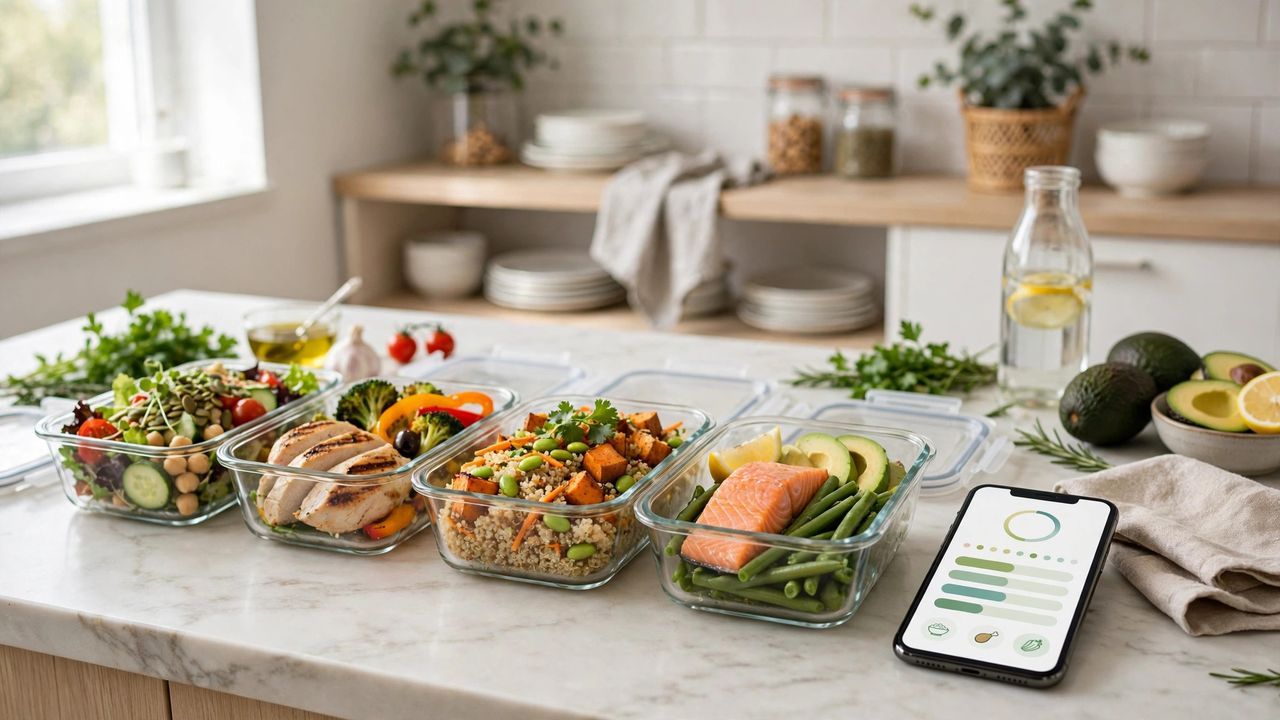
Eating healthy fails at the planning stage, not the cooking stage. When the week starts with no plan, takeout wins by default. Meal planning apps fix this: they build your weekly menu, generate the grocery list automatically, and track nutrition without spreadsheets. Here are the best apps of 2026 and how to make one actually stick.
What separates good apps from gimmicks
A useful meal planner needs automatic grocery lists, dietary filters (keto, vegan, halal, allergies), and recipe scaling for your household size. Bonus points for pantry tracking and leftover suggestions. Skip apps whose free tier only holds three recipes — you will outgrow them in a week and abandon the whole habit.
The 2026 standouts by use case
For weight goals, pick an app with macro and calorie tracking built into the plan so every meal logs itself. For families, choose one with shared lists and kid-friendly filters. For tight budgets, look for cost-per-serving estimates and sale-based suggestions. The best app is the one matching your actual bottleneck — track that first.
The 20-minute weekly system
Apps fail when setup takes an hour. Use this routine: every Sunday, pick 5 dinners from your saved favorites, let the app build the list, order groceries online. Cook in batches — grains, proteins, and roasted vegetables on Sunday cover most of the week. Repeat favorite weeks instead of inventing new menus; variety is overrated, consistency is not.
Make it survive real life
Keep three "emergency meals" that cook in 15 minutes for chaotic days. Plan for one takeout night instead of pretending it will not happen — a realistic plan beats a perfect one you abandon. Review what actually got cooked each week and drop recipes nobody liked; your plan should evolve.
Healthy eating is a logistics problem, and meal planning apps are the logistics software. Pick one, run the 20-minute Sunday system, and watch the takeout bills — and the stress — drop together.