We spend about ninety percent of our time indoors, yet indoor air is often more polluted than the air outside. Cooking fumes, cleaning chemicals, dust and pet dander all concentrate in sealed homes. The good news is that cleaner air does not require expensive equipment — mostly it requires knowing what you are dealing with.
Find Out What You Are Breathing
A basic air quality monitor measuring PM2.5 and VOCs costs little and reveals your worst offenders within days. Watch the numbers spike while you cook or clean — those spikes are your roadmap. Measuring first means you spend money on the actual problem instead of guessing. Test different rooms, because the kitchen, bedroom and home office often have completely different air.
Ventilation Beats Filtration
The cheapest improvement is free: open windows on opposite sides of the home for ten minutes daily to flush stale air. Run the kitchen exhaust fan every time you cook, not just when things smoke. A proper kitchen exhaust removes more pollutants in one cooking session than a purifier removes in a week. In polluted cities, ventilate during cleaner hours and use filtration the rest of the time.
Choose a Purifier That Fits the Room
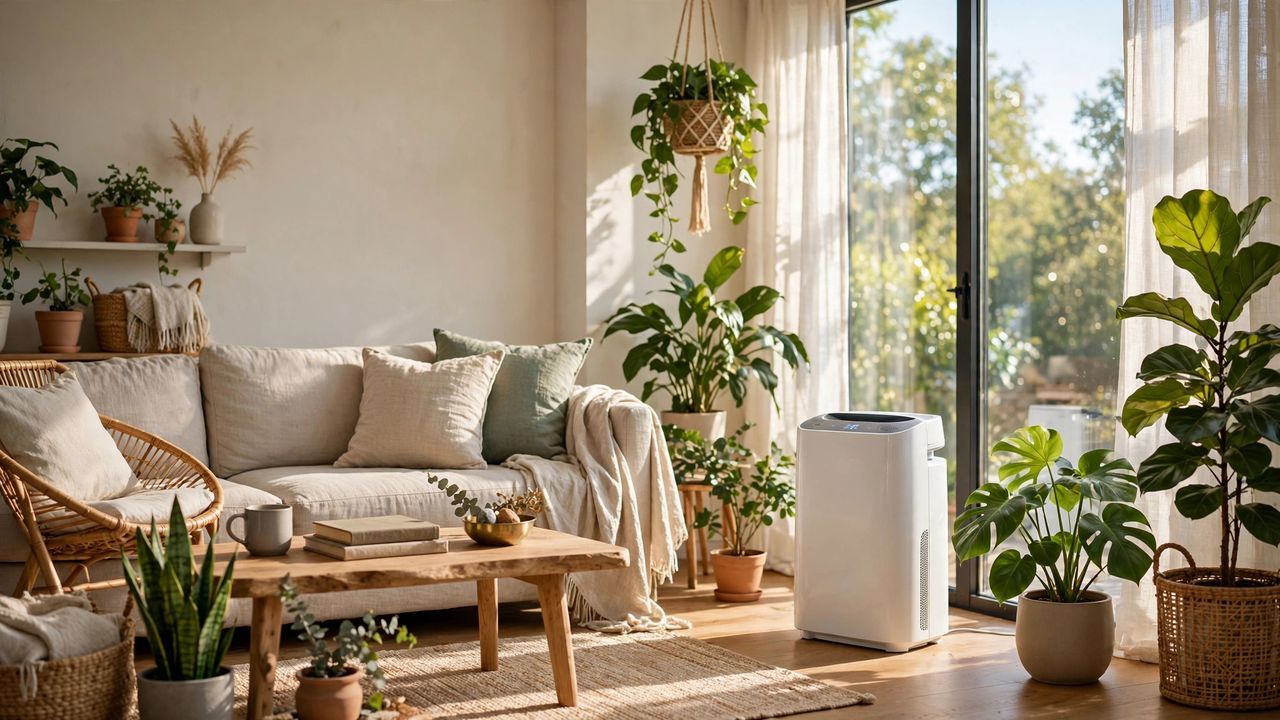
Size matters more than brand: match the purifier's clean air delivery rate to your room's square footage. True HEPA filters capture fine particles effectively; activated carbon handles odors and gases. A correctly sized purifier running on medium beats an oversized one blasting on high for both noise and filter life. Place it where you spend the most time, usually the bedroom, and keep it running continuously on low.
Daily Habits That Keep Air Clean
Take shoes off at the door to cut tracked-in dust dramatically. Vacuum with a sealed HEPA-filtered machine weekly, and dust with a damp cloth instead of a dry duster that just redistributes particles. Switching to unscented cleaning products removes a surprising amount of indoor chemical load overnight. Houseplants look lovely but barely dent air quality — enjoy them, just do not count on them as filtration.
Start with a monitor and ten minutes of daily ventilation. Most homes see dramatic improvement from those two steps alone, before spending anything on equipment.