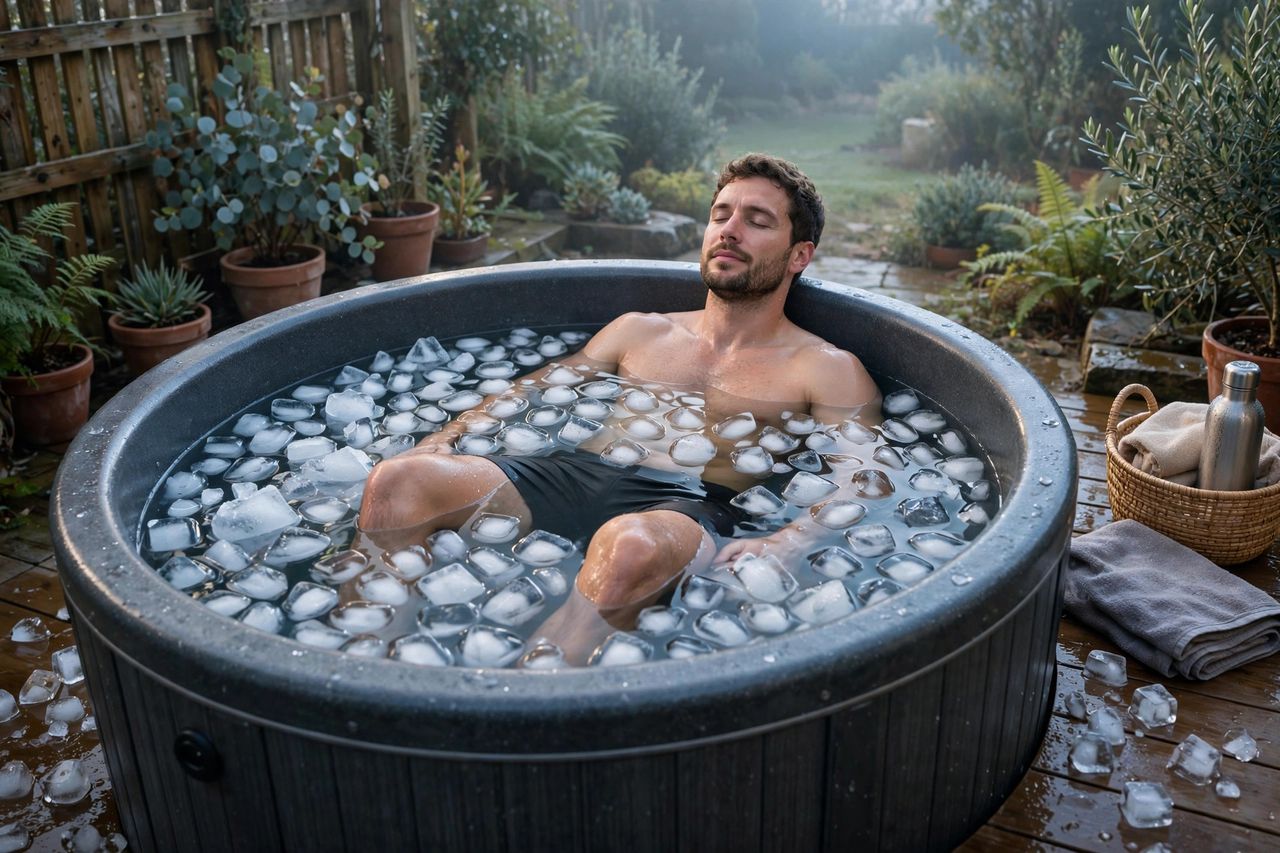
Cold plunging has gone from athlete ritual to mainstream wellness trend — but the hype skips the safety part. Done right, deliberate cold exposure can energize you and build mental resilience. Done wrong, it's genuinely dangerous. Here's the evidence-based way to start.
What Cold Exposure Actually Does
Brief cold immersion releases a big spike of norepinephrine and dopamine — which is why people report alertness and mood lift lasting hours afterward. It can reduce muscle soreness and trains your stress response. What's overhyped: fat loss claims and "immune boosting" — the real benefits are mood, alertness, and resilience, and they're still meaningful.
The Safe Starting Protocol
Begin with 50–60°F (10–15°C) water for 1–2 minutes — your bathtub with cold tap water plus a bag of ice works. Submerge up to your chest, keep your head above water, and breathe slowly through your nose. Start with 2–3 sessions per week. You do NOT need freezing water or 10-minute sessions — more intense is not more beneficial.
Safety Rules You Can't Skip
Never plunge alone if you're a beginner. Skip cold immersion if you have heart conditions, high blood pressure, or circulation problems — check with a doctor first. Get out if you feel dizzy, numb, or panicky. Warm up gradually afterward (warm clothes, light movement), and don't combine plunging with alcohol.
Build Up Gradually
Start cold showers for 30 seconds, then progress to a tub or dedicated plunge pool. Track how you feel 2 hours later, not during the shock — that's the real signal. Most people settle into a sweet spot of 2–3 minutes at 50°F, 3 times a week. The mental discipline of staying calm in the cold transfers to stressful situations everywhere else.
Cold plunging is a tool, not a miracle. Respect the water, start gently, and enjoy one of the cheapest mood upgrades that exists.