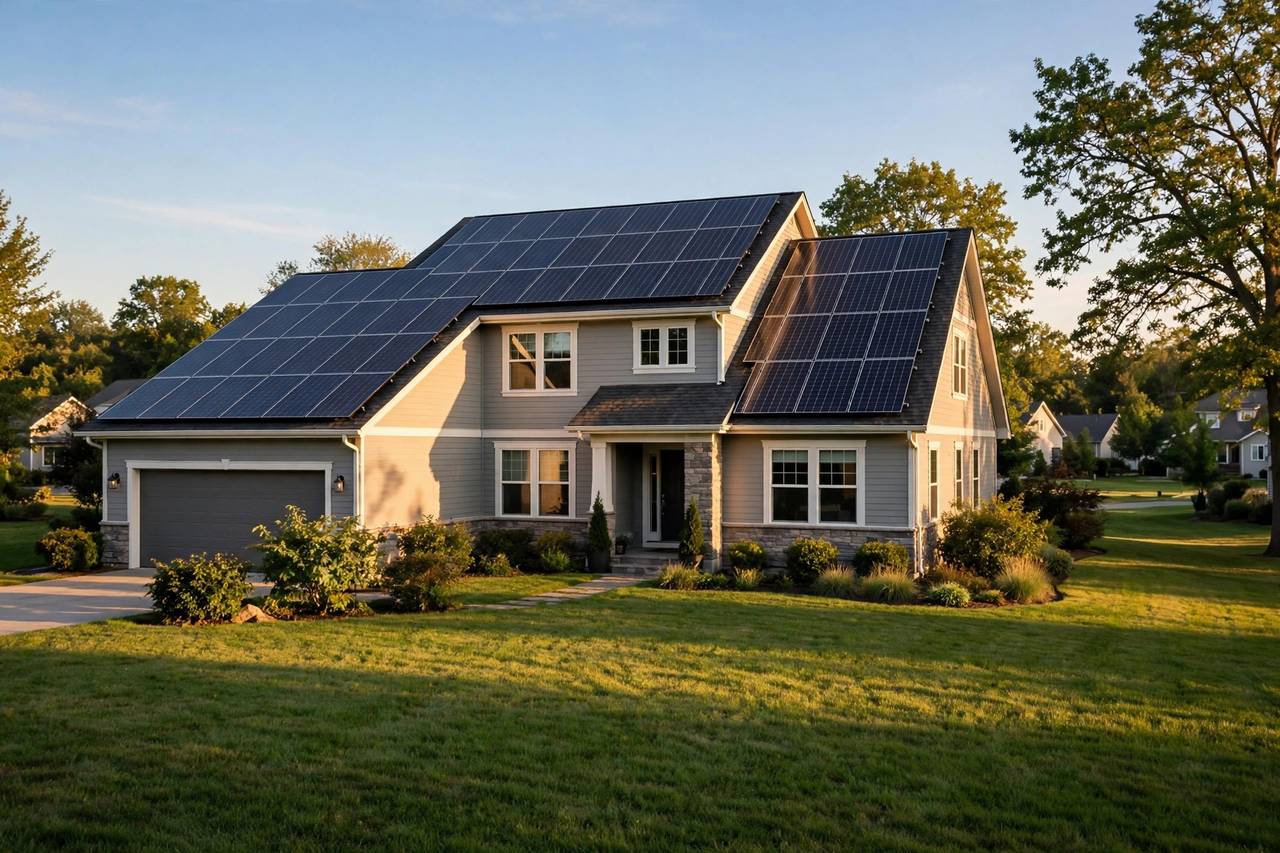
Rooftop solar has never been cheaper or more efficient than it is in 2026. Modern panels now convert more than 22 percent of sunlight into electricity, and prices have fallen to a fraction of what they were a decade ago. Yet going solar is still a serious investment, so the real question is whether it pays off for your particular home. This guide walks you through the numbers, the technology, and the practical steps so you can decide with confidence.
How Much Does Home Solar Cost in 2026?
A typical residential system of 5 to 7 kilowatts now costs roughly $12,000 to $20,000 before incentives, depending on your region, roof complexity, and panel brand. Most homeowners recover this investment in 6 to 9 years through lower electricity bills, and panels come with 25-year performance warranties, so the remaining years are essentially free power. Check your local tax credits and rebates first — they can cut the upfront cost by 20 to 30 percent.
Which Panel and Battery Should You Choose?
In 2026 the market is dominated by monocrystalline N-type TOPCon panels, which offer the best efficiency and durability for rooftops. Avoid older polycrystalline models unless the price difference is huge. If you want backup power during outages, pair the system with an LFP (lithium iron phosphate) battery — they last longer, run cooler, and are safer than older lithium chemistries. A 10 kWh battery typically covers an average home's essential loads overnight.
Understanding Net Metering and Savings
Net metering lets you send surplus daytime electricity to the grid and draw it back at night, effectively using the grid as a free battery. Policies vary widely by country and utility, and some are shifting toward lower buyback rates, so confirm your local rules before signing anything. To maximize savings, run heavy appliances — washing machines, water heaters, EV chargers — during peak sunlight hours when your panels produce the most.
Tips for Choosing a Good Installer
Get at least three written quotes and compare price per watt, not just the total. Verify the installer's licenses, insurance, and customer reviews, and ask for references from recent local installations. Have them check your roof's age, orientation, and shading first — a south-facing roof (north-facing in the southern hemisphere) with little shade can produce up to 30 percent more energy. Finally, read the contract's warranty terms carefully: you want separate coverage for the equipment and the installation workmanship.
Solar is not a one-size-fits-all solution, but for most sunny or partly sunny homes it is a solid long-term investment in 2026. Run the numbers for your address, get honest quotes, and make the decision based on real data rather than sales pressure. Have more questions about solar costs or setup for your home? Ask the free US AI assistant and get a clear answer in seconds.