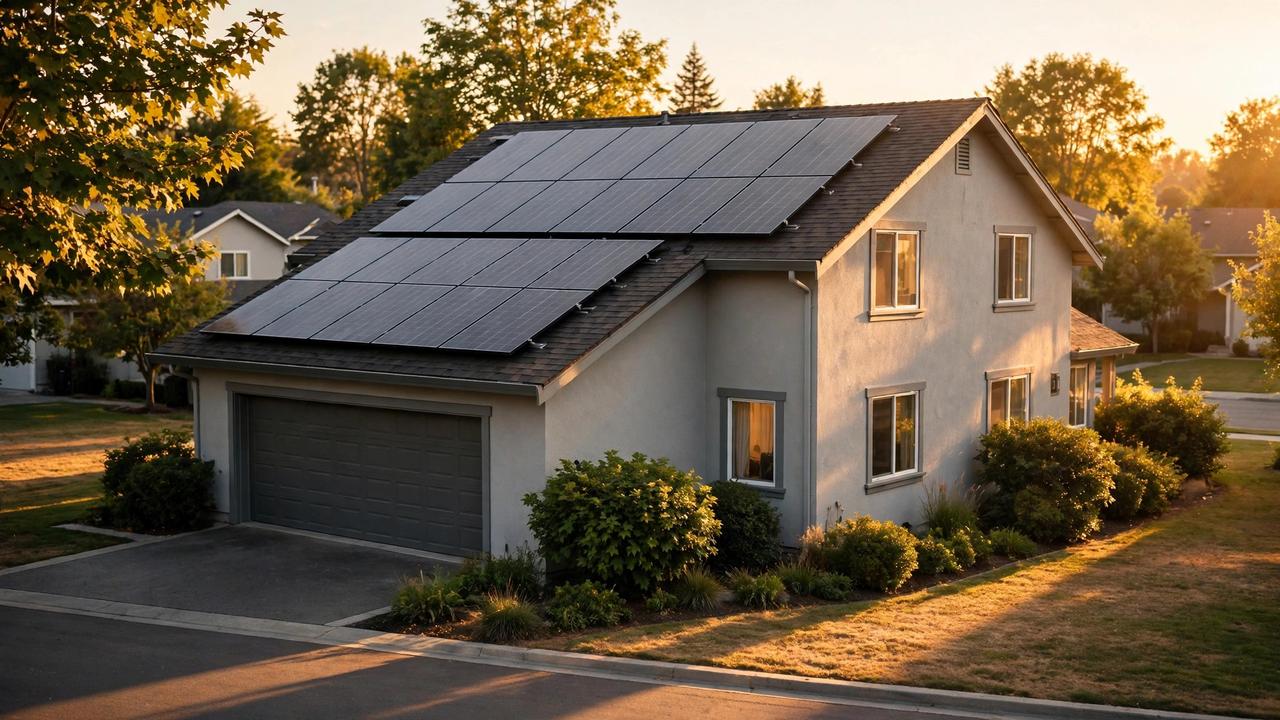
Rooftop solar has gone from eco-luxury to mainstream money-saver. Panel prices have fallen dramatically over the past decade while electricity rates keep climbing, and in 2026 the math works for more households than ever. But it is still a five-figure decision, so here is the honest breakdown before you sign anything.
What It Really Costs
A typical residential system runs $15,000 to $25,000 before incentives in the US, depending on size and roof complexity. The federal tax credit and various state rebates can cut that by 30 percent or more. Most homeowners see payback in 6 to 10 years, then enjoy essentially free electricity for the remaining 15-plus years of panel life. Get at least three quotes — prices for identical systems can vary by thousands.
How Much Will You Actually Save
Savings depend on your electricity rate, sun exposure, and roof orientation. South-facing roofs in sunny regions generate the most; heavy shade can kill the economics. Check your utility's net metering policy — the rate they pay for your excess power dramatically affects returns. A reputable installer will model your specific production and savings, not hand you a generic brochure number.
Panel Types and Equipment
Monocrystalline panels are the standard choice: efficient, sleek, and long-lasting. The inverter matters too — microinverters on each panel outperform a single string inverter on partially shaded roofs and make monitoring per-panel production easy. Ask about the warranty split: 25 years on panels is standard, but inverter warranties are often shorter.
Installation and Next Steps
Installation usually takes one to three days, plus weeks for permits and utility approval. Verify your roof is in good shape first — installing panels on a roof that needs replacing in five years is an expensive mistake. Choose installers with strong local reviews and NABCEP certification, read the contract's production guarantee carefully, and never sign at the kitchen table on the first visit.