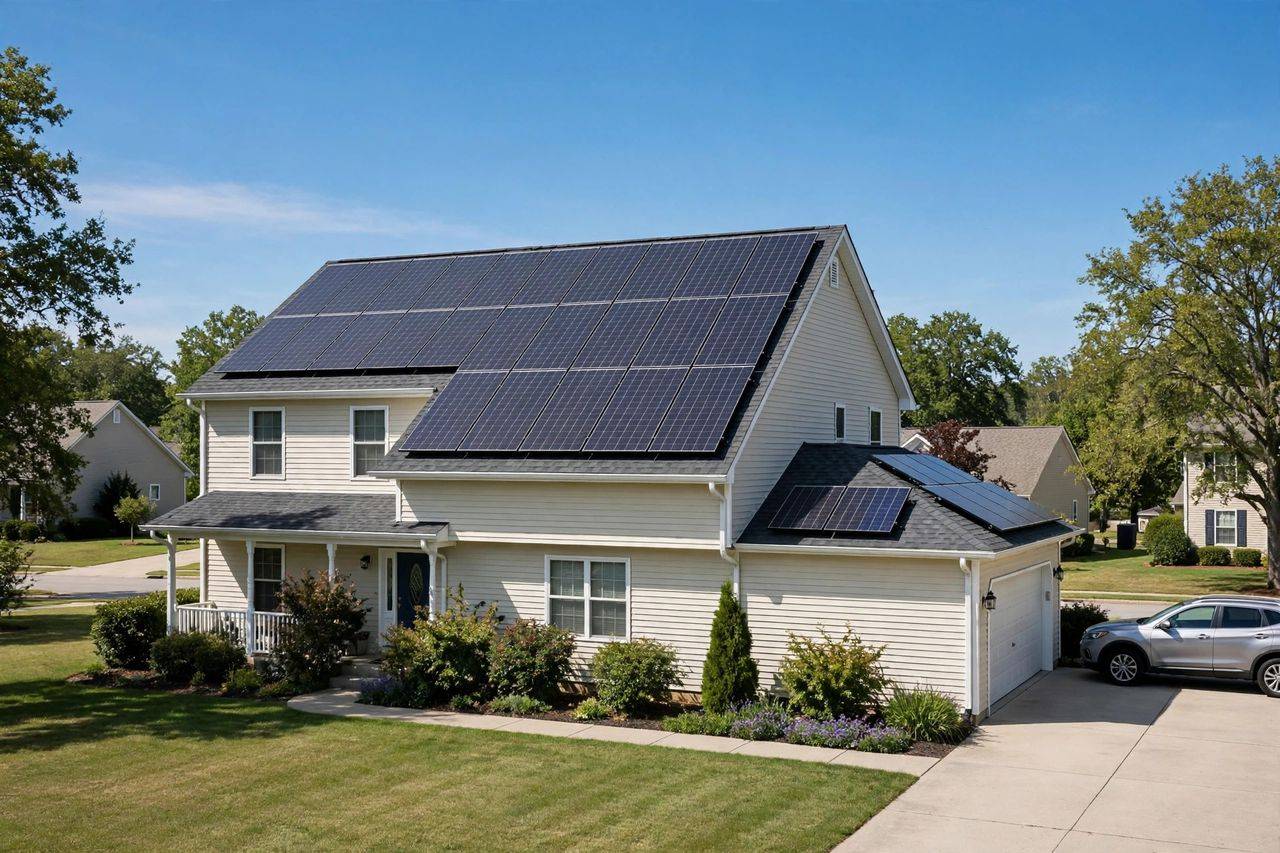
Rooftop solar promises lower bills and energy independence — and salespeople promise the moon. The truth is more nuanced: solar is a fantastic deal for some homes and a poor one for others. The right question isn't 'is solar good?' but 'is solar good for MY roof and MY bills?' Let's do the honest math.
What It Costs in 2026
A typical home system runs from several thousand to tens of thousands of dollars installed, depending on size and location — and quotes from different companies can vary wildly for the same roof. Always compare cost per watt, not just the total. Get at least three quotes; the spread will surprise you.
How Much You'll Save
Your savings depend on three things: how big your electricity bill is, how much sun your roof gets, and your local rates and net-metering rules. A shaded roof or tiny bill means slow payback. A big electricity bill is the best predictor of fast payback — low users save little.
The Payback Math
Divide the net cost (after incentives) by your annual savings: most good installations pay for themselves in 6–10 years, then generate nearly free power for 15+ more. Panels degrade slowly — about 0.5% a year — and carry 25-year warranties. If the payback exceeds the panel warranty, it's a bad deal for you.
Batteries: Nice or Necessary?
Batteries add thousands to the cost but keep your lights on during outages and let you use your own power at night. Where blackouts are rare and net metering is generous, they're a luxury; where the grid is shaky, they're the point. Buy the panels first; you can add a battery later.
Red Flags in Sales Pitches
Beware of pressure tactics ('this price expires today'), inflated savings projections, and leases that put a lien on your home. Never sign at the kitchen table on the first visit. Get three quotes, check reviews, and never sign on the first visit.