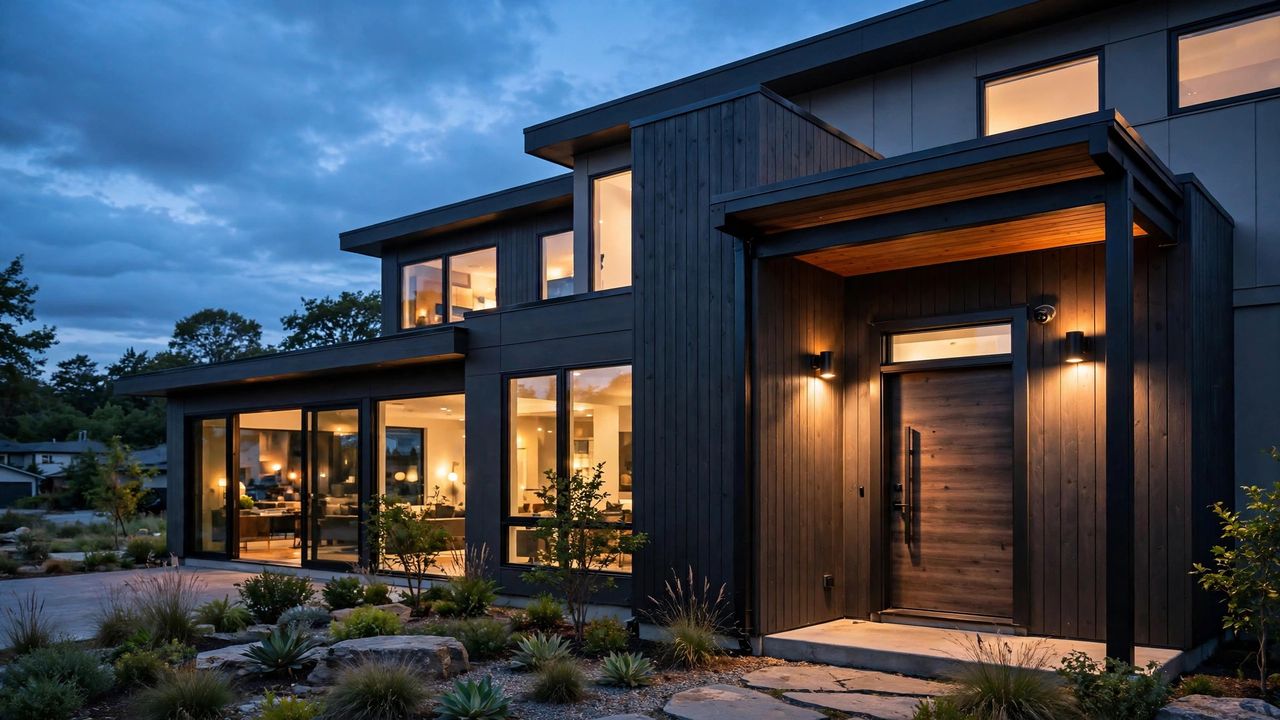
Security cameras have gotten smarter, cheaper, and much easier to install. But the market is crowded with confusing specs and subscription traps. This guide cuts through the noise so you buy the right cameras the first time.
Resolution and Night Vision First
Do not go below 2K (1440p) resolution — 1080p footage is often too blurry to identify a face or license plate. Good night vision matters more than extra megapixels, since most break-ins happen after dark. Look for color night vision or strong infrared range, and check sample night footage in reviews.
Local Storage vs. Cloud: Know the Trade-off
Cloud plans cost a few dollars per camera monthly and add up fast, but they protect footage if the camera is stolen. Local storage (microSD or a home hub) has no monthly fee but can be lost with the device. The sweet spot for most homes is local storage for daily recording plus a basic cloud plan for your most important camera.
Placement Beats Quantity
Three well-placed cameras outperform eight badly placed ones. Cover your main entrance, back door, and driveway or garage first — that is where almost all intrusions happen. Mount cameras 8–10 feet high, angled slightly down, so faces are visible but the camera is out of easy reach.
Watch Out for Subscription Lock-in
Many cameras advertise AI person detection and smart alerts, then charge monthly to unlock them. Before buying, check exactly which features work without a subscription. A camera that is dumb without a paid plan is a rental, not a purchase — and there are plenty of models that work fully offline.
Start with your two most vulnerable entry points and expand later — a modest system you actually install beats an ambitious one that stays in boxes. The best camera is the one that is recording when you need it, so prioritize reliability and night vision over flashy extras. Sleep better knowing your home is covered.