Insulation is the least glamorous home upgrade and one of the most profitable. While kitchens get the compliments, insulation quietly cuts heating and cooling bills by 15 percent or more — and in 2026, with energy prices where they are, the payback math has never looked better.
Know your insulation types
Fiberglass batts are the affordable classic: easy to install between studs and joists, but they must fit snugly to work. Blown-in cellulose — largely recycled paper — excels at filling awkward attic spaces and outperforms batts in real-world conditions. Spray foam seals air leaks and insulates in one step but costs two to three times more. Rigid foam boards shine on basement walls and exterior sheathing. Match the material to the location, not just the price tag.
Where your home bleeds heat
Attics are the number one priority — heat rises, and most older homes are under-insulated up top. Walls, basements, and drafty rim joists come next. Before adding insulation, seal air leaks around windows, doors, and penetrations; insulation slows heat transfer, but air sealing stops the drafts you actually feel. An energy audit, often subsidized, tells you exactly where to spend.
DIY or hire a pro?
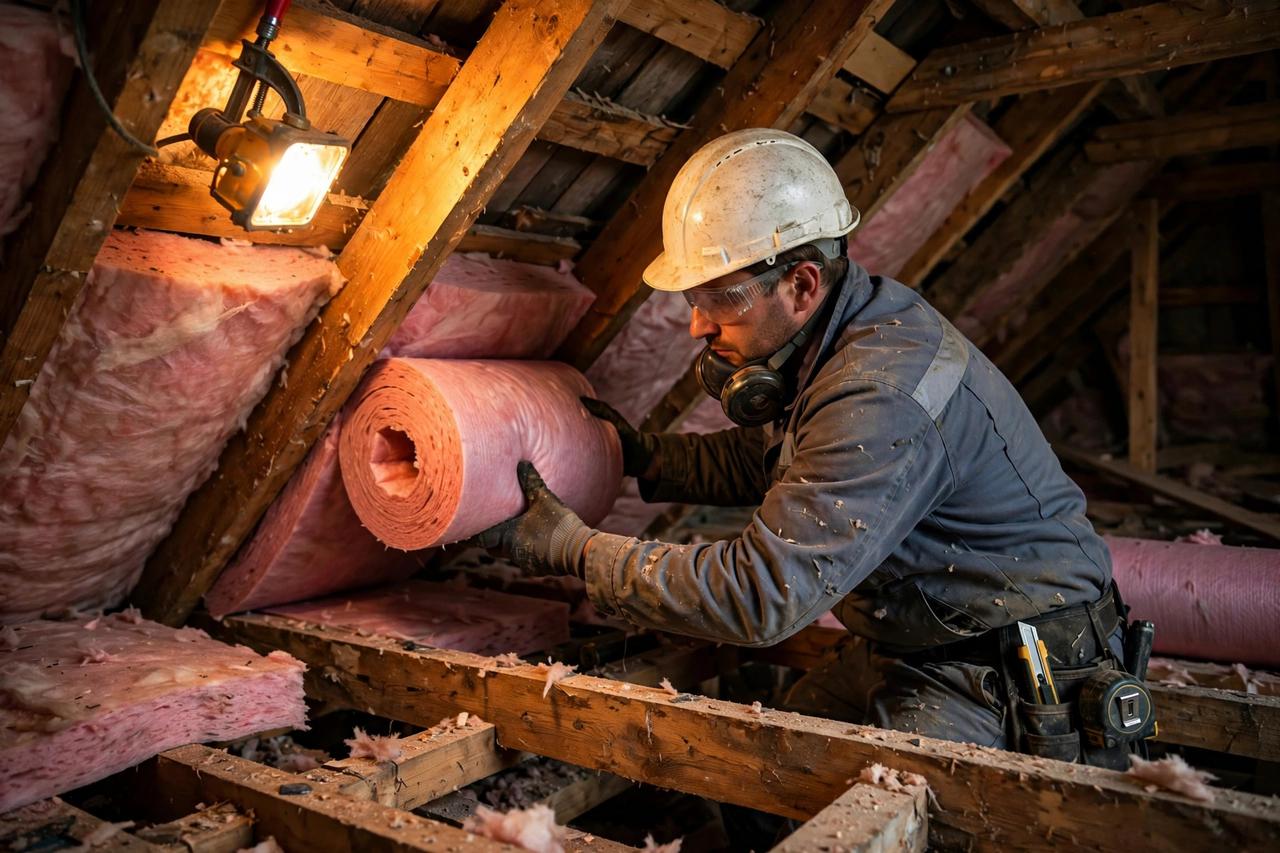
Laying batts in an accessible attic is a satisfying weekend DIY — just wear proper protection, since fiberglass irritates skin and lungs. Blown-in insulation and spray foam belong to professionals with the right equipment. Wall cavities in finished homes almost always need a pro. Get multiple quotes, check for rebates and tax credits, and remember that the cheapest bid is rarely the best value.
The bottom line
Start with an audit, seal the leaks, insulate the attic, and work downward. Done right, insulation pays for itself in a few years and keeps paying for decades. Comfort you feel every single day, bills that shrink every single month — few upgrades compete with that.