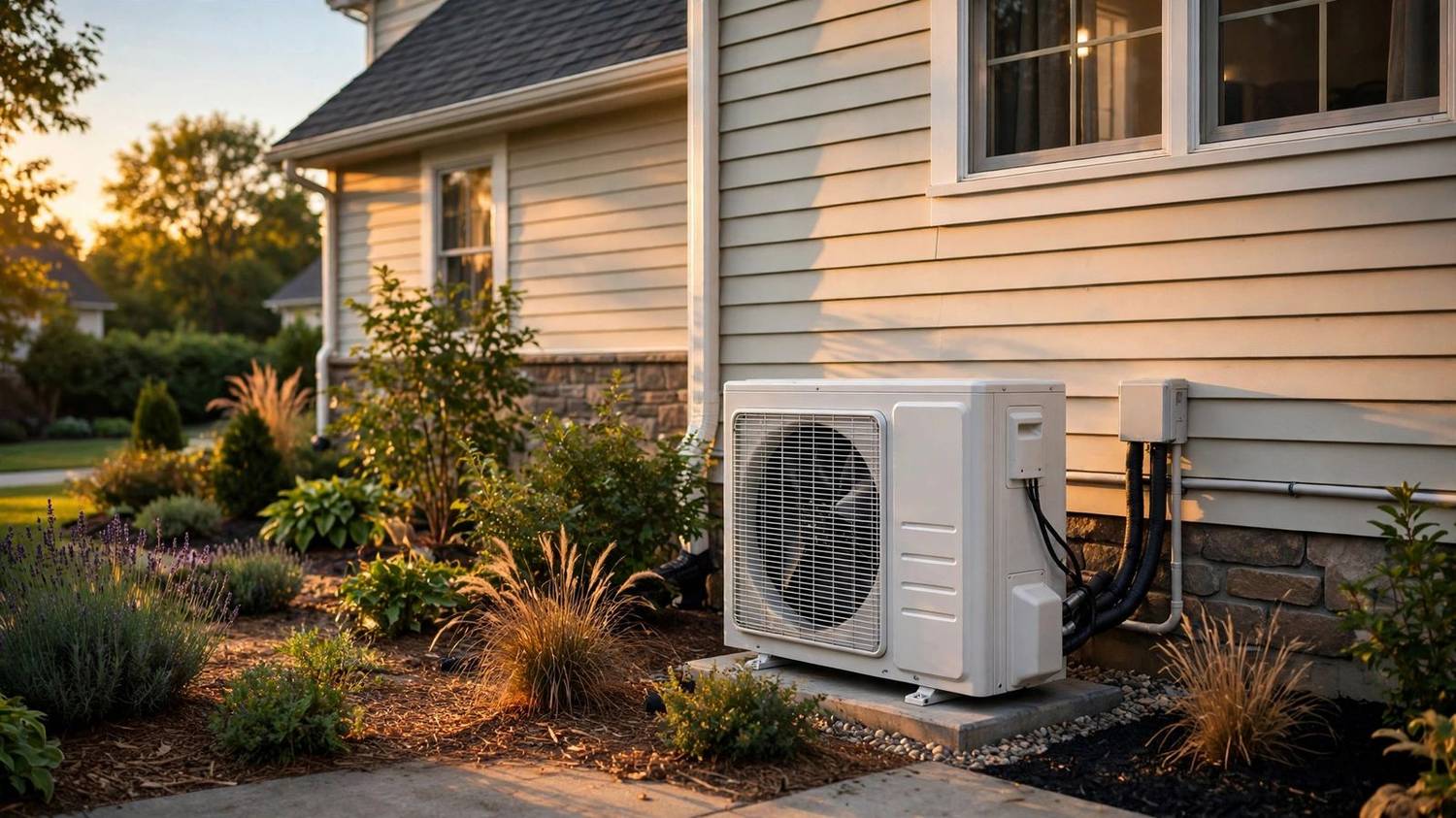
What if one machine could heat your home in winter, cool it in summer, and cut your energy bills in half? That's a heat pump — and in 2026, with better cold-climate models and generous rebates, it's the smartest upgrade most homes can make. A heat pump is the single highest-impact appliance upgrade you can buy.
How a Heat Pump Actually Works
Instead of burning fuel, a heat pump moves heat from one place to another — like a refrigerator running in reverse. In winter it pulls warmth from the outdoor air (yes, even cold air holds heat energy) and pushes it inside. In summer it reverses and cools like an air conditioner. Moving heat takes far less energy than making it. Heat pumps deliver 3–4 units of heat for every 1 unit of electricity — that's 300–400% efficiency.
What It Costs (and Saves) in 2026
A full-home system typically runs $10,000–$20,000 installed, but federal and state rebates can knock thousands off — some low-income programs cover nearly the whole cost. Annual energy savings often land between 30% and 50% versus oil or electric-resistance heating. Most owners break even in 5–10 years. Get three quotes and check rebate databases before signing anything — prices vary wildly.
The Cold-Climate Myth
Old heat pumps struggled below freezing, but modern cold-climate models work efficiently down to −15°F. They're now standard in Norway and Sweden, which are hardly tropical. If your winters are extremely harsh, a dual-fuel setup (heat pump plus your old furnace as backup) gives total peace of mind. Today's heat pumps are rated for real winters — the old reputation is outdated.
Choosing the Right System
Mini-splits (ductless) suit homes without ductwork and let you zone rooms individually. Ducted systems slot into existing furnaces. Size matters: an oversized unit short-cycles and wastes money, so insist on a proper load calculation, not a guess. Never let a contractor size your system by square footage alone — demand a real load calculation.