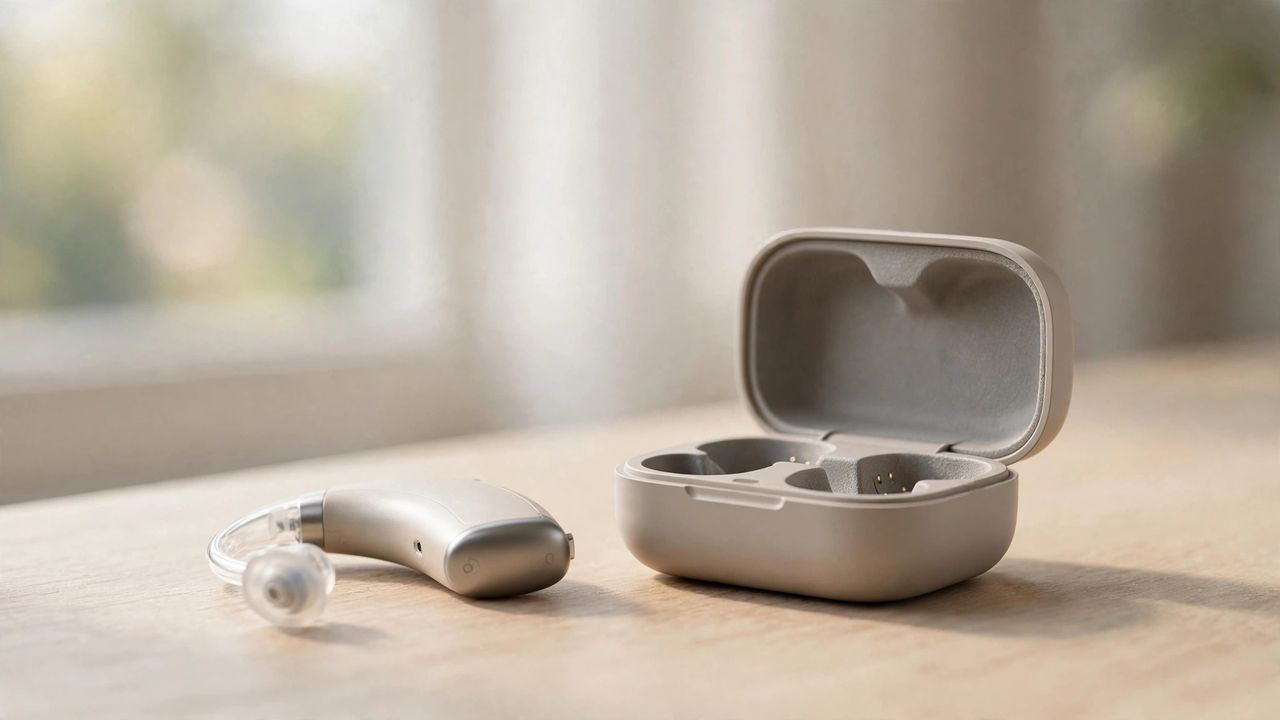
If you keep asking people to repeat themselves, turn the TV louder than everyone else, or avoid noisy restaurants, your hearing may need help — and there's no shame in that. In 2026, hearing aids are tiny, nearly invisible, Bluetooth-connected, and smarter than ever. Here's how to choose the right pair without overpaying.
The Main Types of Hearing Aids
Behind-the-ear (BTE) models hook over your ear with a tube into the canal — powerful, easy to handle, and best for severe loss. Receiver-in-canal (RIC) styles are slimmer, with the speaker sitting inside the ear; they're the most popular choice, balancing discretion and power. In-the-ear (ITE) and completely-in-canal (CIC) models are custom-molded to your ear and almost invisible, but smaller batteries and higher prices come with that discretion. Newer over-the-counter (OTC) hearing aids, available since recent regulation changes, help adults with mild-to-moderate loss at much lower prices — but they skip the professional fitting that makes prescription devices work so well.
What They Really Cost in 2026
Prescription hearing aids typically run $1,500-$3,500 per pair at audiologist clinics, including fitting, tuning, and follow-up care — the service, not just the device, is what you're paying for. Premium models add Bluetooth streaming, rechargeable batteries, and AI noise reduction that isolates voices in crowds. OTC devices cost $200-$800 per pair online and in pharmacies, a genuine option for mild loss. Check your insurance: coverage varies wildly, but many plans now contribute $500-$2,000, and veterans, union members, and some employer plans get strong benefits. Always ask for an itemized quote separating device price from services.
Smart Buying Tips
Get a hearing test first — from an audiologist or ENT, not just an online quiz. Your audiogram shows exactly which frequencies you've lost, and that's what determines the right device. Insist on a trial period of at least 30-45 days; your brain needs weeks to adapt, and any reputable provider allows returns. Ask about follow-up appointments: fine-tuning over the first months is what turns an okay hearing aid into a great one. For OTC devices, pick brands with real customer support and smartphone apps for self-adjustment. And ignore the stigma: in 2026, wearing a discreet hearing aid looks about as remarkable as wearing glasses — which is to say, not at all.
Untreated hearing loss doesn't just mute the world — it's linked to social isolation and faster cognitive decline. The best hearing aid is the one you'll actually wear every day. Get tested, try before you buy, and give yourself back the conversations you've been missing.