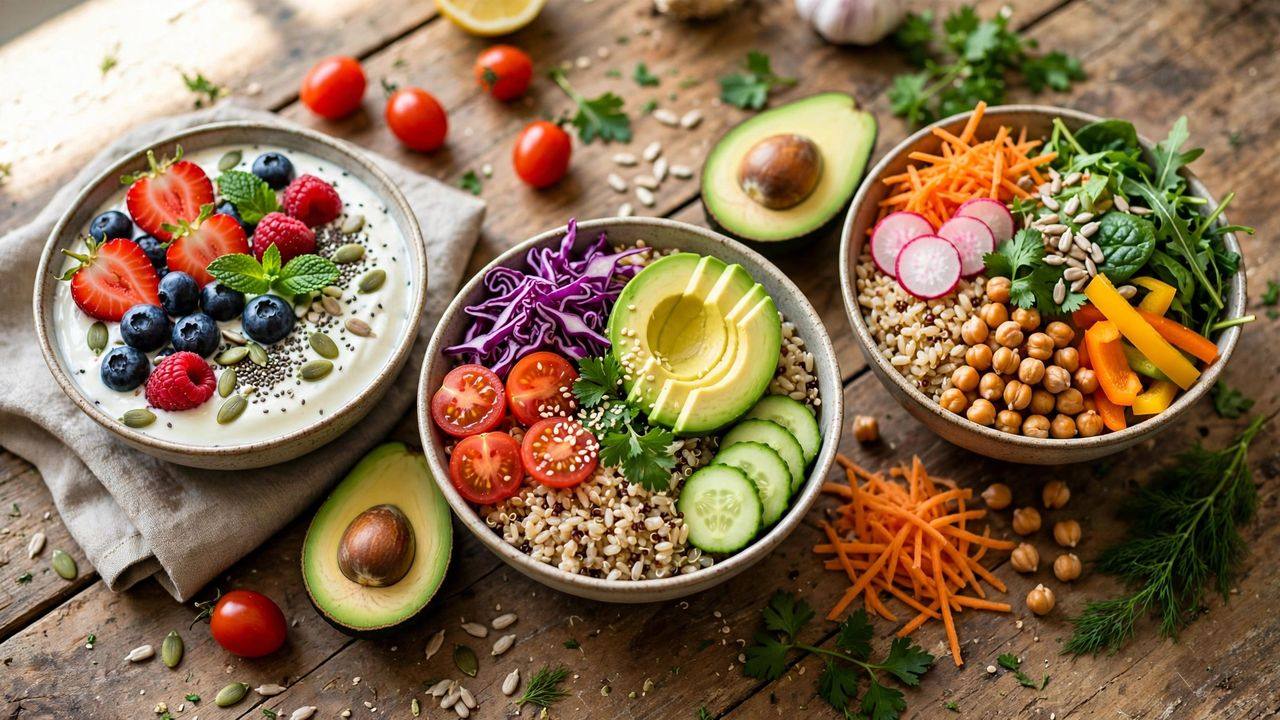
Your digestive system does far more than process food — it influences your energy, mood, and even immunity through the trillions of microbes living inside it. The encouraging news: gut health responds quickly to small, boring habits, not to expensive cleanses or miracle supplements. Here are the simple habits that actually move the needle.
Feed Your Gut Fiber Every Day
Fiber is the main food of your beneficial gut bacteria, and most people get less than half of what they need. Add it gradually: lentils, beans, oats, vegetables, fruits, and whole grains at every meal. Increase fiber slowly over two weeks and drink plenty of water — jumping from low to high fiber overnight causes the bloating people blame on fiber itself. Your microbes will thank you within days.
Add Fermented Foods Gently
Yogurt, kefir, kimchi, sauerkraut, and kombucha deliver live beneficial bacteria that diversify your gut microbiome. Start with small servings — a few spoonfuls of yogurt or a small glass of kefir daily — and watch for sugary "probiotic" products that are desserts in disguise. One serving of a real fermented food daily beats an expensive probiotic pill you forget to take, though supplements can help in specific cases your doctor identifies.
Chew Slowly, Eat Calmly
Digestion starts in your mouth, and wolfing down meals in five minutes overloads everything downstream. Put your fork down between bites, chew thoroughly, and avoid eating while scrolling or working. People who eat slowly report less bloating and heartburn — not because of magic, but because their stomachs can actually keep up. This single habit costs nothing and helps almost everyone.
Sleep and Stress Affect Digestion Too
Your gut and brain talk constantly through the gut-brain axis, which is why anxiety triggers stomach trouble and poor sleep worsens digestion. Aim for consistent sleep hours, take short walks after meals (ten minutes genuinely aids digestion), and build one real stress-relief habit — walking, breathing exercises, or journaling. A calm nervous system is a well-functioning digestive system; no diet fixes a gut under constant stress.
When to See a Doctor
Normal digestion has ups and downs, but persistent symptoms deserve professional attention: blood in stool, unexplained weight loss, severe or lasting abdominal pain, or symptoms that do not improve after a month of better habits. Habits are powerful prevention, but they are not diagnosis — see a doctor rather than self-treating red flags with internet advice. Most gut issues are manageable once properly identified.