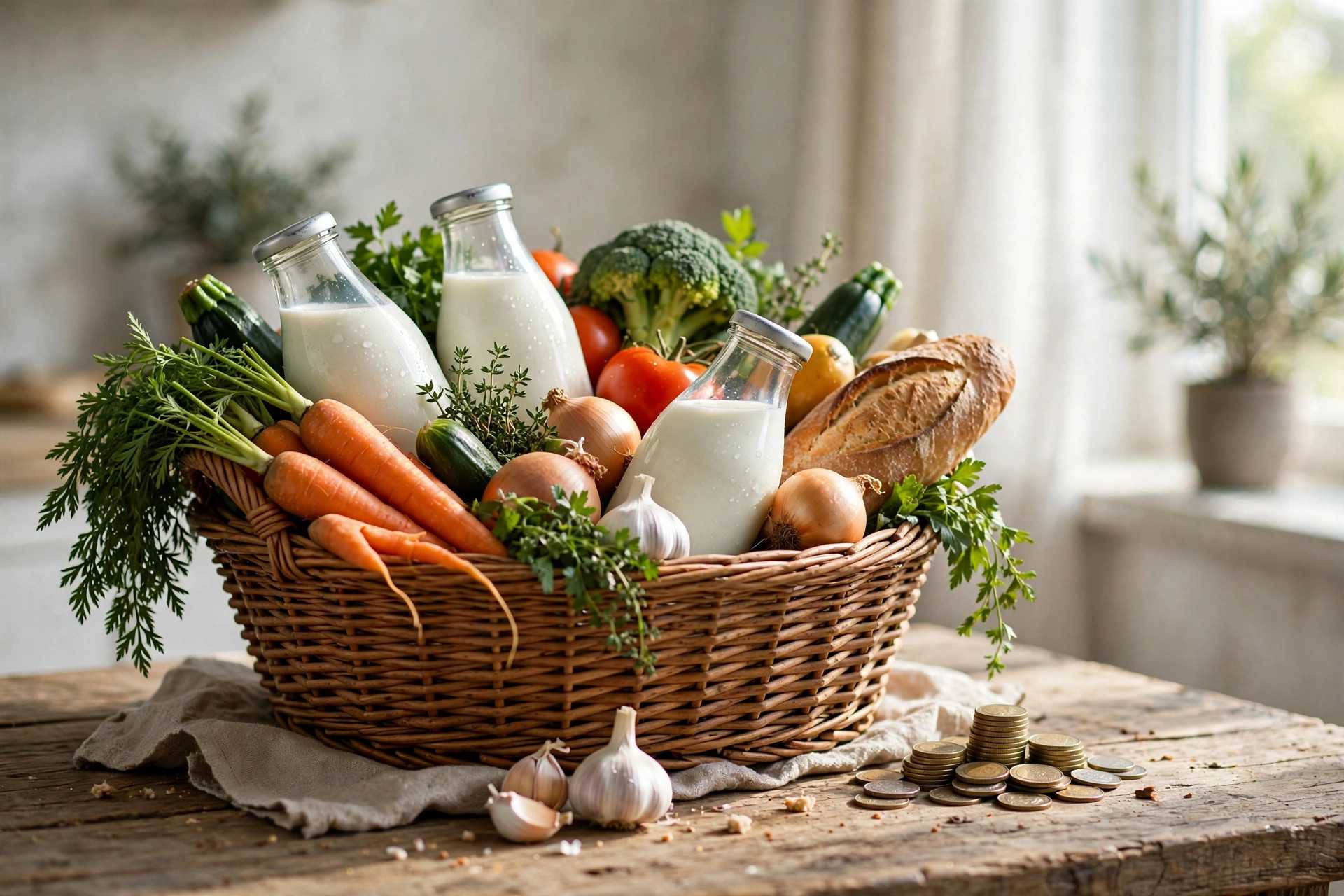
Groceries are most families' biggest flexible expense — which means they're also the biggest opportunity to save. In 2026, smart shoppers are cutting their food bills by nearly a third without eating worse food. The secret isn't extreme couponing; it's a handful of habits that eliminate the waste and impulse buys silently inflating your cart.
Plan meals, then shop the plan
Ten minutes of weekly meal planning is the highest-return habit in grocery saving. Check what's already in your fridge, plan 5–7 dinners around it, and write a list — then buy only the list. Unplanned trips and unlisted items are where grocery budgets die; a list is your budget's bodyguard.
Shop the edges and the seasons
Fresh produce, dairy, and meat live on the store's perimeter; expensive processed foods dominate the middle aisles. Buy seasonal produce — it's cheaper and tastes better — and compare unit prices, not package prices. Store brands match name brands in quality for most staples at 20–30% less — try them blind and see.
Stop throwing food away
The average household wastes a shocking amount of food yearly — that's literally money in the bin. Freeze bread, portion and freeze leftovers the same day, and learn which dates actually mean "expired" versus "best by." Cutting your food waste in half saves more than any coupon ever will. A "use it up" meal once a week clears odds and ends.
Master the pantry
Keep a stocked pantry of rice, pasta, beans, canned tomatoes, and spices — then you can always build a cheap meal around fresh items on sale. Buy non-perishables in bulk when discounted. A well-stocked pantry turns sale items into dinners instead of desperation takeout.
None of these tips require sacrifice — just intention. Plan your meals, respect your list, waste less, and your 2026 grocery bill will shrink while your meals stay delicious.