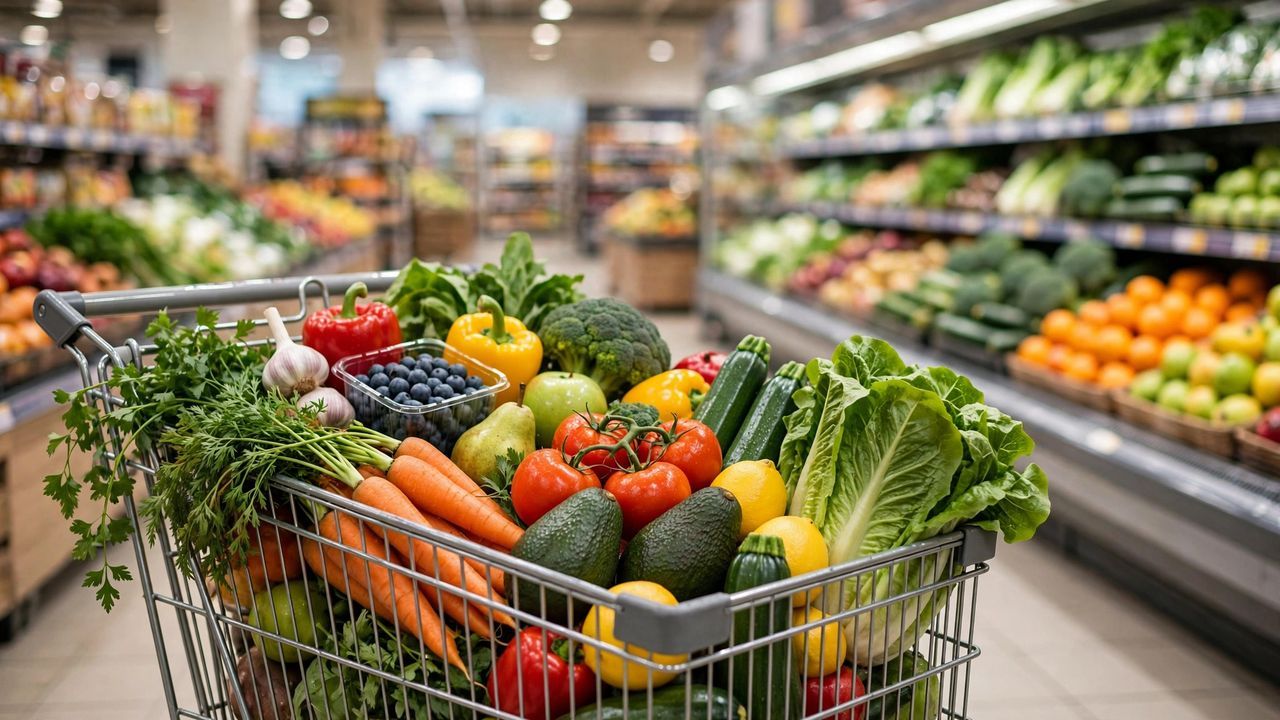
Groceries are one of the biggest flexible expenses in any household, and most of the waste is invisible: food bought with good intentions that quietly rots in the fridge. AI meal planners attack this from both sides — building weekly menus around what is actually on sale and what you already have, then generating a precise shopping list that kills impulse buys.
Plan Around the Sales, Not the Cravings
Traditional meal planning picks recipes first and shops second, which locks you into full-price ingredients. Flip it: check the weekly store flyer first, then ask the AI planner to build meals around the discounted proteins and produce. This one change routinely cuts 15-25% off a weekly bill. Apps that sync with your local store's current deals do this automatically and even suggest swaps when a recipe ingredient is not on sale.
The Pantry-First Inventory
Most households already own several meals' worth of food they have forgotten about. Once a week, list what is in your fridge and pantry and have the AI suggest recipes that use those items before anything new is bought. It feels like a small habit, but it attacks the biggest source of food waste — the half-used ingredients bought for one recipe and never touched again. Track your monthly waste for two months; watching it drop is surprisingly motivating.
Shop the List and Nothing Else
Impulse purchases add 10-20% to the average grocery bill. Order groceries online for pickup or delivery — it enforces the list and removes the in-store temptation entirely. If you shop in person, go right after a meal and set a phone timer; hungry, leisurely shopping is the enemy. Keep a running "needed" list on your phone through the week so you buy replacements, not duplicates.
Batch the Boring Parts
Cooking grains, proteins, and chopped vegetables in one weekly batch session turns weeknight dinners into 15-minute assemblies. Two focused hours on Sunday replaces five stressed weeknight cooking sessions and dramatically reduces the "let's just order takeout" nights that destroy food budgets. The AI planner can generate a batch-prep list optimized for your week — which items cook together, what order, and how to store them.
Start this week: inventory your kitchen, check the flyer, and let an AI planner build one week of meals. Most families see the difference in the very first receipt.