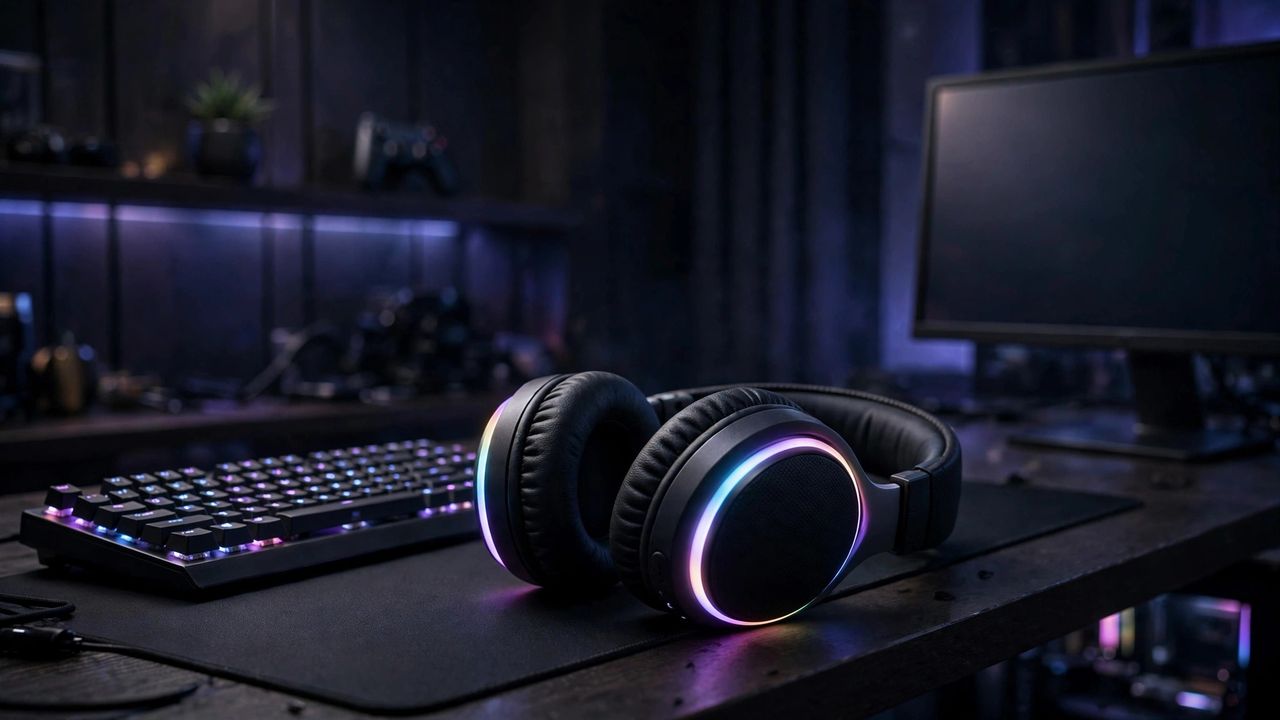
A great gaming headset does two jobs at once: it puts you inside the game world and keeps you connected to your team. But flashy RGB and big bass numbers hide what actually matters. Here's how to buy smart.
Sound Quality: What to Listen For
Clarity beats bass. Explosions are fun, but hearing footsteps and direction cues wins competitive games — look for headsets with a wide soundstage and clear mids. Surround/virtual 7.1 sound helps with positional audio, though quality varies by brand. A detachable, noise-canceling mic matters as much as the drivers — your teammates hear YOU, so mic clarity is half the purchase. Test reviews that measure mic samples, not just marketing claims.
Comfort: The Spec Nobody Advertises
You will wear this for hours, so comfort is a performance feature. Lightweight designs (under 300g) reduce neck strain in long sessions. Memory-foam earcups seal sound in without squeezing your head. Adjustable headbands with real padding prevent the dreaded top-of-head pressure point. If you wear glasses, look for softer cushion designs — stiff cups pressing on frames cause real pain by hour three. No spec sheet replaces a 30-minute test wear.
Wired vs. Wireless
Wired headsets are cheaper, never need charging, and have zero latency — still the competitive player's choice. Wireless (2.4GHz) adds freedom of movement with latency so low most people can't tell; just check battery life (30+ hours is the modern standard) and keep the dongle handy. Bluetooth-only headsets have noticeable lag — fine for casual play, bad for shooters. Many 2026 models do both, which is the best of both worlds if your budget allows.
Buying Tips That Save Regret
Match the headset to your platform: console players need official compatibility (especially Xbox), PC players get the widest choice. Spend $70–$150 for the sweet spot — below that, mic and comfort suffer; above it, you pay for diminishing returns. Check the return policy so you can test real comfort at home. And ignore "gamer aesthetic" markups — the best-sounding headsets often look the plainest.
Bottom line: prioritize mic clarity, comfort, and your platform's compatibility — then pick wired or wireless by lifestyle. Get those three right and every game session feels like an upgrade.