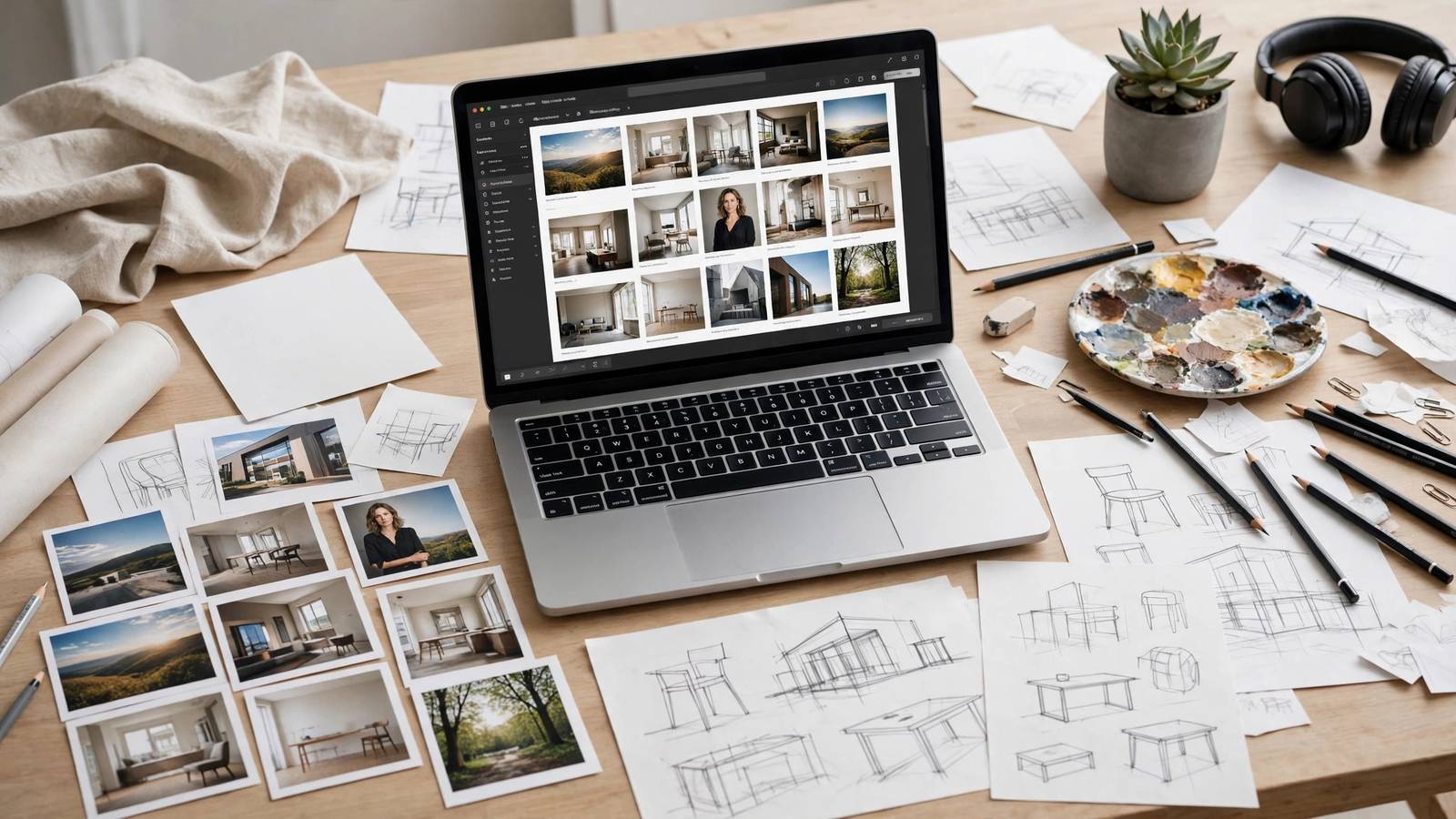
Clients do not hire your resume — they hire proof. In 2026, with AI flooding the market with generic freelancers, a strong portfolio is the clearest signal that you are the real deal. A great portfolio shows what you have done, how you think, and what results you delivered. Whether you are a designer, writer, or developer, here is how to build one that wins clients.
Build a Simple, Fast Portfolio Site
Your portfolio site should load instantly and answer three questions in ten seconds: what you do, who you do it for, and how to contact you. One page with your best work, a short bio, and a clear call to action beats a sprawling site every time. Put your contact button in the first screen — never make a client hunt for how to hire you.
Write Case Studies, Not Just Screenshots
Images show the output; case studies show the thinking. For each project, explain the client's problem, your process, and the measurable result. Even two or three strong case studies outperform twenty unexplained thumbnails. Lead with results: "Redesigned checkout, conversion up 34%" beats any paragraph about your design philosophy.
Collect and Display Testimonials
A single quote from a happy client builds more trust than a page of self-description. After every project, ask for a short testimonial — most clients are happy to oblige if you make it easy with a template. Video testimonials are even stronger in 2026. Always ask for testimonials within a week of delivery, while the client is still delighted.
Curate Ruthlessly and Update Often
Your portfolio is only as strong as its weakest piece. Remove anything that no longer represents your best work, and add new projects as you finish them. Tailor the featured work to the clients you want next. Six excellent projects win more work than twenty mediocre ones — delete without mercy.
In 2026, the freelancers who thrive are not the cheapest — they are the most convincing. Invest a weekend in your portfolio, keep it current, and let your work do the selling for you.