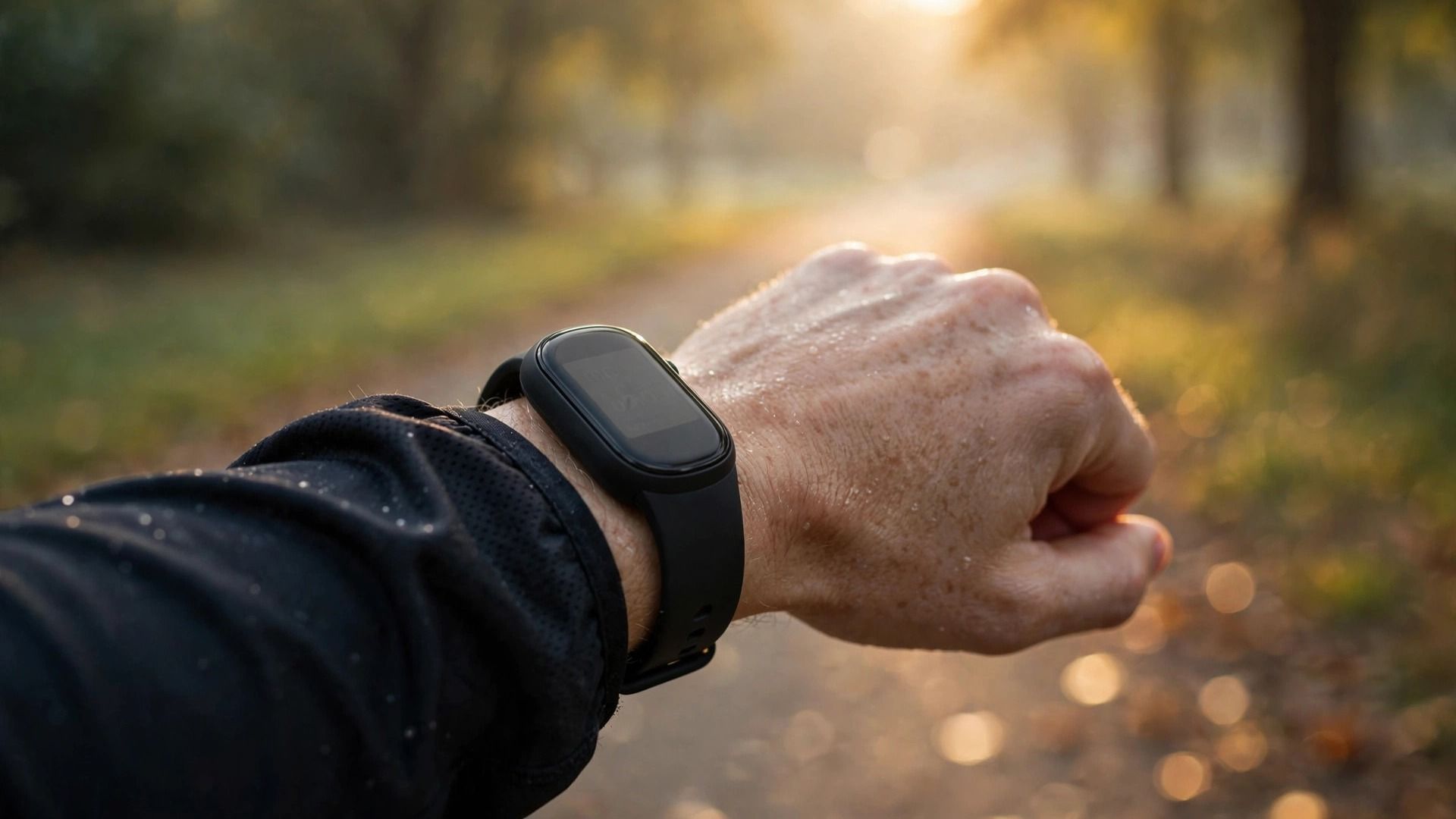
The best fitness tracker is not the one with the most sensors — it is the one you wear every day. In 2026, trackers are more accurate and longer-lasting than ever, with great options from $50 basic bands to $300 smartwatches. Here is how to pick one that actually improves your health instead of gathering dust.
What to Track (and What to Ignore)
Three metrics genuinely change behavior: daily steps (a simple, honest activity baseline), sleep duration and consistency (more impactful than any workout), and resting heart rate trends (a window into recovery and fitness). Fancy extras like blood-oxygen spot checks and stress scores are interesting but rarely actionable — nice to have, not reasons to buy.
Accuracy Matters Most
A tracker that miscounts is worse than none, because bad data builds false confidence. In 2026, wrist heart-rate sensors are impressively accurate at rest and during steady cardio, but still wobble during intense intervals — serious athletes should add a chest strap for workouts. Sleep tracking is good at duration and schedule, mediocre at sleep stages; trust the totals, not the REM graphs.
Battery vs Features
This is the real trade-off: simple bands last 2–3 weeks per charge; full smartwatches last 1–3 days. A dead tracker tracks nothing, so be honest about your charging habits. If you will not charge every other day, buy the simpler device with the bigger battery — consistency beats features you never use because the watch died.
Picking Your Price Tier
Under $75: excellent basic bands covering steps, sleep, and heart rate — enough for most people. $100–$200: built-in GPS for runners, brighter screens, and smarter health insights. $250+: smartwatch territory with apps, calls, and music — buy for the watch features, since the tracking itself is barely better. Watch out for subscription fees that lock your own health data behind a paywall.
Wear it for two weeks before judging: the first week's data is just a baseline. Then pick one habit — a step goal, a bedtime — and let the tracker keep you honest. The device is just a mirror; the change is still yours to make.