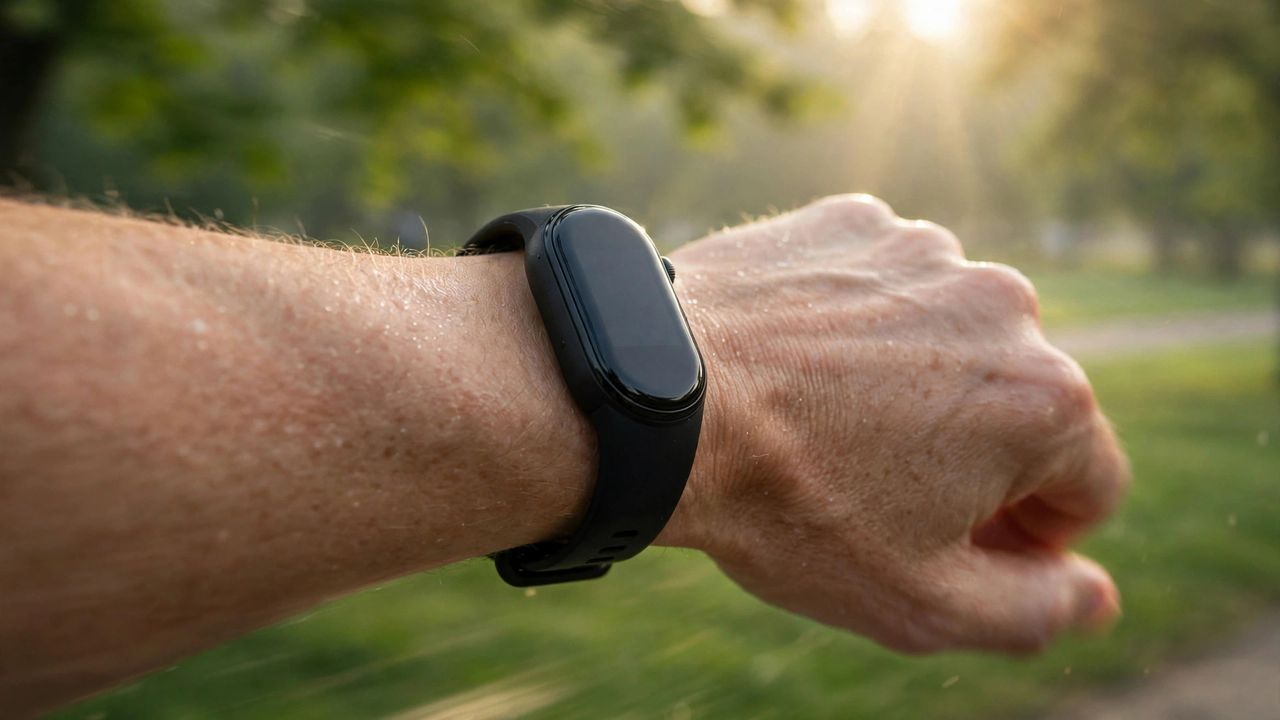
Fitness trackers have quietly become some of the most useful gadgets you can own — a good one nudges you to move more, sleep better, and actually notice your health. But the market is crowded, and the difference between a $40 band and a $400 watch is smaller than marketing suggests.
Start With Your Goal, Not the Specs
Ask what you actually want to measure. Step counting and sleep tracking? A basic band does both brilliantly. Serious running or cycling? You need accurate GPS and heart-rate data. General motivation? Any tracker with move reminders and streaks works. Buy for the habits you want to build, not the features that look impressive in ads.
Key Features That Matter
Heart-rate accuracy is the core metric — check independent reviews, because sensors vary wildly. Battery life is a lifestyle choice: bands last 7–14 days, smartwatches often need charging every day or two. Water resistance matters if you swim (5ATM is the minimum to trust). GPS is essential for runners who leave their phone behind. And app quality counts as much as hardware — you will spend more time in the app than staring at the device.
Budget vs. Premium: Where's the Line?
Budget bands ($30–$70) now cover 80% of what most people need: steps, heart rate, sleep, and basic workouts. Mid-range ($100–$250) adds better GPS, bigger screens, and smarter insights. Premium ($300+) buys ECG, advanced recovery metrics, and flagship build quality — genuinely useful for athletes, overkill for casual movers. Rule of thumb: spend up only when you know which premium feature you will actually use.
Making It Stick: Tips for Beginners
Wear it 24/7 for the first two weeks — consistent data beats perfect data. Set one achievable goal (like 7,000 steps) rather than chasing five metrics at once. Use sleep tracking as your gateway habit — seeing your sleep score improves evenings faster than anything else. And charge it on a schedule (e.g., while showering) so it never dies mid-day. The tracker works only if the habit of wearing it works first.
Final advice: start cheaper than you think. If a budget band gets you moving daily, it outperformed any flagship sitting in a drawer. Upgrade later, when your data tells you exactly what's missing.