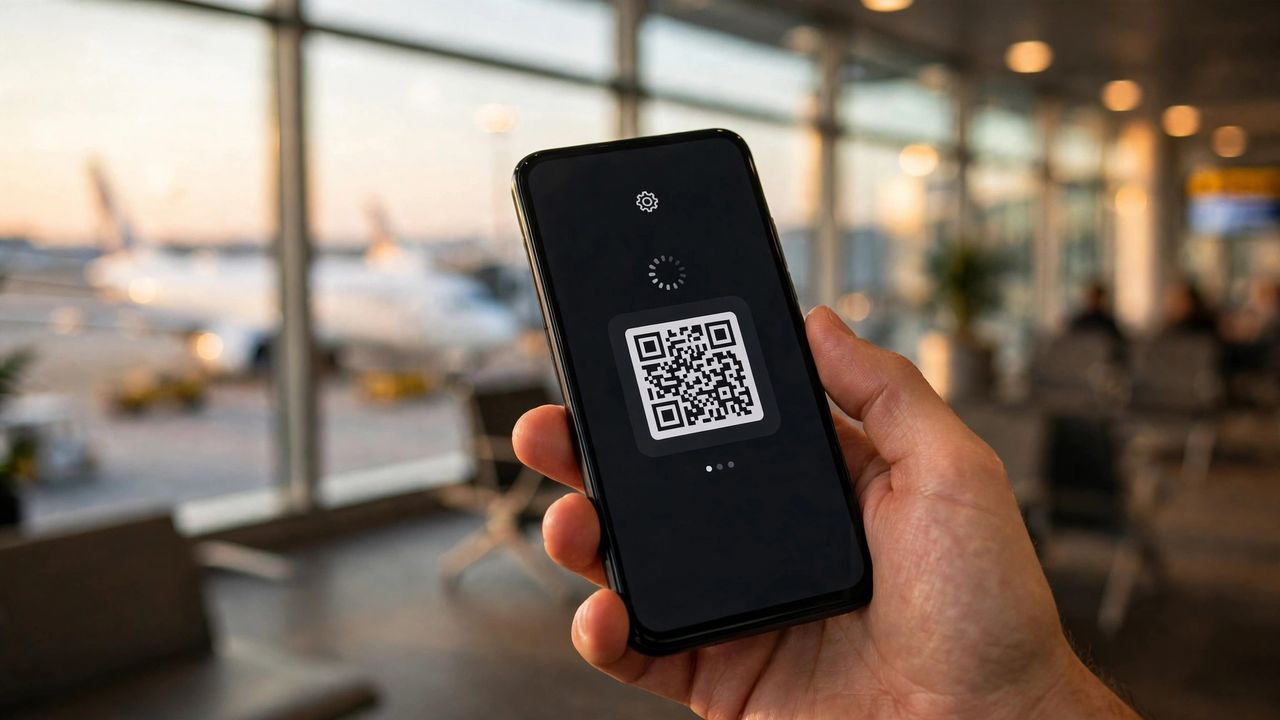
Landing in a new country and hunting for a SIM card kiosk is officially outdated. An eSIM lets you buy mobile data before you even board the plane and connect the second you land — usually at a fraction of roaming prices. Here is everything you need to know.
What an eSIM Actually Is
An eSIM is a digital SIM built into your phone — no tiny plastic card to swap or lose. You install a carrier profile by scanning a QR code or using an app, and your home number stays active for calls and texts while mobile data runs on the eSIM. It is dual-SIM without the second slot.
Check Your Phone First
Most phones from 2020 onward support eSIM — iPhones, Pixels, and Galaxy models included — and you can confirm it in your settings under mobile data. One catch: carrier-locked phones may block eSIM use, so get your phone unlocked before the trip, not at the airport.
Buy and Install in 10 Minutes
Compare plans on eSIM marketplaces (check data amount, validity days, and whether hotspot is included), buy online, and install the eSIM at home over Wi-Fi before departure. On landing, just select the eSIM as your mobile data line. Keep data roaming switched ON for the eSIM line only — and OFF for your home line.
eSIM vs Roaming vs Local SIM
Carrier roaming is the easiest option and the most expensive — often $10–$15 per day. A local physical SIM is cheapest per gigabyte but costs you arrival time and a kiosk hunt. The eSIM is the sweet spot: near-local prices with zero airport hassle, and you can buy multi-country plans for road trips across borders.
Practical Tips
Estimate your data honestly: 1–2GB per day is plenty for maps and messaging, 3–5GB if you stream video. Double-check that mobile data is disabled on your home SIM to avoid surprise roaming charges, screenshot your QR code as a backup, and confirm hotspot support if you plan to share data with a laptop.